
Satellite Beach Mold Inspection after Roof Leaks: What Homeowners Should Know
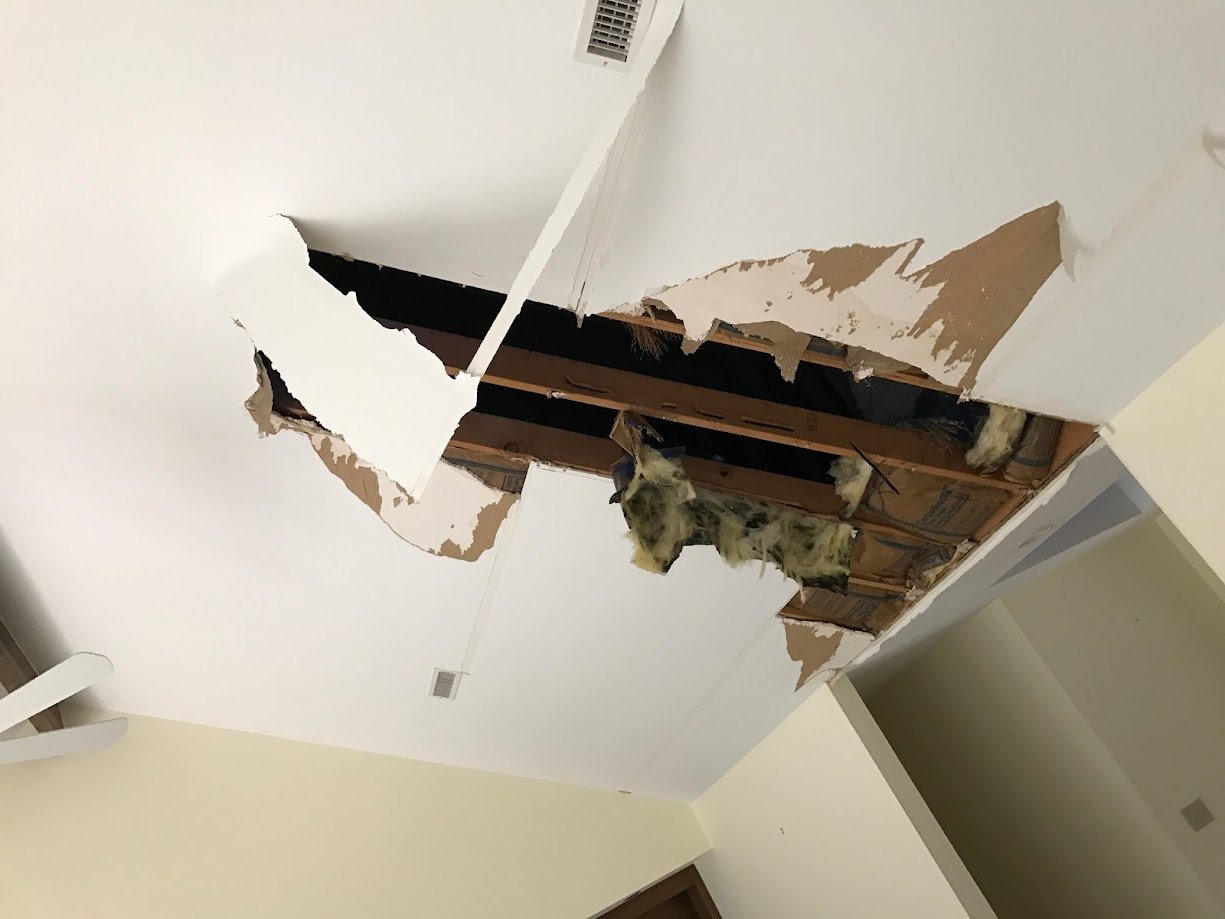
Roof leaks are a common issue for homeowners in Satellite Beach, especially after strong coastal storms, heavy seasonal rains, or hurricane activity. While some leaks are obvious, many occur slowly and remain hidden, allowing moisture to spread unnoticed inside the home.
What often surprises homeowners is that mold problems frequently appear weeks or even months after a roof leak occurs. By the time stains or odors become noticeable, mold may already be growing behind walls or above ceilings.
Understanding how mold inspection works after roof leaks can help Satellite Beach homeowners prevent costly repairs and protect their homes from long-term damage.
How Roof Leaks Lead to Mold Problems
When a roof leak occurs, water rarely stays in one place. Instead, it travels along rafters, insulation, and ceiling materials before eventually becoming visible.
Moisture from roof leaks can affect:
• Ceiling drywall and insulation
• Attic insulation and framing
• Wall cavities below the leak
• Flooring materials beneath ceilings
• Air ducts located in attics
• Electrical fixtures and ceiling openings
Even small leaks can soak insulation and wood framing, allowing damp materials to remain wet for long periods. In Florida’s warm climate, mold spores begin growing quickly once materials stay damp.
Often, homeowners only notice the problem after stains appear or odors develop.
Why Roof Leak Mold Issues Are Common in Satellite Beach
Homes in Satellite Beach face higher risks compared to inland areas because of coastal weather conditions. Salt air, storms, and humidity create ongoing stress on roofing materials.
Several local factors contribute to mold risks:
• Frequent storms and wind-driven rain
• Salt air accelerating roof material wear
• High humidity slowing indoor drying
• Older roofing systems in coastal neighborhoods
• Homes with attic HVAC systems
Nearby communities like Cocoa Beach, Merritt Island, and Indian Harbour Beach experience similar conditions, but homes directly exposed to coastal weather often see faster roof deterioration.
Even small roofing weaknesses can allow water intrusion during storms.
Signs Mold May Be Present After a Roof Leak
Mold problems often appear gradually after leaks, making them easy to overlook at first.
Homeowners commonly notice:
• Musty odors inside rooms or closets
• Brown or yellow ceiling stains
• Peeling paint or bubbling drywall
• Warped ceiling panels
• Mold spots near vents or corners
• Increased indoor allergy irritation
Because mold often grows behind surfaces, visible signs typically mean moisture has already spread further.
Hidden Areas Mold Often Develops
Roof leaks frequently create mold in locations homeowners cannot easily see.
Common hidden mold locations include:
• Attic insulation soaked by leaks
• Ceiling cavities above living spaces
• Inside wall framing below leak areas
• Around recessed lighting fixtures
• HVAC ducts in attics
• Behind cabinets near exterior walls
Water can travel several feet from the original leak, making inspection important even when damage appears minor.
Why Mold Inspection Is Important After Roof Repairs
Many homeowners believe once roof repairs are completed, the problem is resolved. However, trapped moisture inside structural materials may remain even after leaks stop.
Mold inspection helps by:
• Confirming whether mold growth is present
• Identifying hidden moisture damage
• Measuring airborne mold spore levels
• Determining if drying efforts worked
• Guiding proper cleanup steps
Without inspection, mold can continue growing behind ceilings and walls unnoticed.
How Professional Mold Inspection Works
Professional mold inspections involve both visual evaluation and advanced detection methods.
Inspectors typically use:
• Moisture meters to find damp materials
• Thermal imaging cameras to detect hidden moisture pockets
• Air sampling to measure mold spore levels
• Surface sampling when needed
• Attic and structural inspections
Air samples taken indoors are often compared with outdoor samples to determine if mold levels are elevated inside the home.
These tools allow inspectors to pinpoint problems without unnecessary demolition.
What Happens If Mold Is Found
If mold inspection confirms contamination, professionals recommend remediation steps based on severity.
The process generally includes:
Step 1: Identifying Moisture Sources
Remaining leaks or ventilation problems must be corrected first.
Step 2: Containment Setup
Affected areas are sealed to prevent mold spores from spreading during cleanup.
Step 3: Removal of Damaged Materials
Heavily contaminated drywall or insulation may require removal.
Step 4: Cleaning and Treatment
Remaining structural surfaces are cleaned and treated.
Step 5: Structural Drying
Drying equipment removes trapped moisture from framing and materials.
Step 6: Post-Remediation Testing
Final testing confirms cleanup success.
Connection Between Roof Leaks and Water Damage Restoration
Roof leaks often cause broader water damage, especially after storms. Restoration efforts may involve:
• Ceiling and drywall repairs
• Structural drying
• Insulation replacement
• Mold remediation
• Interior repairs
Addressing both moisture and contamination prevents recurring issues.
Homes across Palm Bay and Melbourne often experience layered damage where storm intrusion combines with humidity, making professional evaluation important.
HVAC Systems and Mold Spread
Many Satellite Beach homes have HVAC systems located in attics. When roof leaks occur, moisture may reach ductwork or air handlers.
Mold inside HVAC systems can spread spores throughout the home whenever air circulates.
Signs HVAC systems may be affected include:
• Musty odors when AC runs
• Dust buildup near vents
• Uneven cooling
• Persistent humidity indoors
Inspections often include checking HVAC areas when attic leaks are discovered.
Preventing Mold After Roof Leaks
Homeowners can reduce mold risks by taking preventive action after storms or heavy rain.
Helpful steps include:
• Inspecting roofs after storms
• Repairing leaks immediately
• Checking attics for damp insulation
• Using dehumidifiers after storms
• Maintaining attic ventilation
• Scheduling moisture inspections after water intrusion
Early detection prevents small leaks from becoming major mold problems.
Why Local Experience Matters in Mold Inspection
Moisture behaves differently in coastal homes compared to inland properties. Professionals familiar with Satellite Beach and Brevard County homes understand how coastal humidity and storms affect roofing systems.
Local knowledge helps inspectors quickly identify problem areas and recommend solutions suited to Florida construction styles.
Homeowners often rely on experienced providers such as Palm Bay Mold Removal because familiarity with regional climate conditions leads to faster and more accurate inspections.
Local expertise ensures inspections address root moisture causes rather than just surface damage.
Acting Early Protects Your Home
Roof leaks may seem minor at first, but hidden moisture can continue damaging materials long after repairs appear complete. Mold growth can spread quietly until repairs become expensive.
Scheduling mold inspection after roof leaks helps homeowners ensure hidden contamination is discovered early. Proper inspection and remediation restore safe indoor conditions and protect property value.
Taking prompt action keeps Satellite Beach homes dry, comfortable, and protected from future mold problems while preventing long-term structural damage.