
How Flood Restoration Helps Homes in West Melbourne During Rainy Season
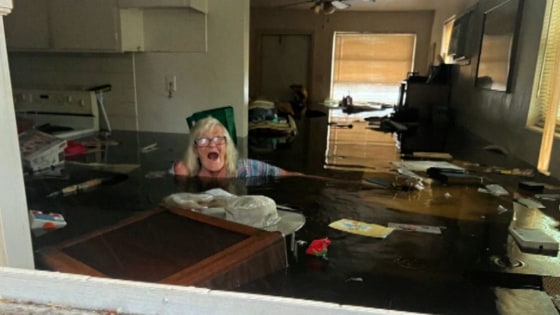
The rainy season in Central Florida brings heavy downpours, afternoon thunderstorms, and occasional tropical systems that can overwhelm drainage systems and saturate residential neighborhoods. For homeowners in West Melbourne, flooding is not just a rare event—it is a seasonal concern that requires preparation and quick response.
When floodwaters enter a home, the damage can escalate rapidly. Beyond soaked carpets and warped flooring, prolonged moisture can weaken structural components, damage electrical systems, and create ideal conditions for mold growth. Professional flood restoration plays a critical role in minimizing damage, restoring safety, and protecting long-term property value.
This in-depth guide explains how flood restoration works, why it is especially important during West Melbourne’s rainy season, and how it helps homeowners recover effectively.
Why Rainy Season Flooding Is a Serious Concern in West Melbourne
West Melbourne’s location along Florida’s east coast means frequent heavy rain events, particularly between late spring and early fall. During this period:
- Afternoon thunderstorms can drop several inches of rain in a short time
- Poor drainage or clogged storm systems may cause water backup
- Saturated soil prevents proper runoff
- Tropical disturbances increase rainfall intensity
Homes in low-lying areas or older neighborhoods may be especially vulnerable. Even minor flooding—an inch or two of standing water—can lead to significant structural and material damage if not addressed quickly.
What Happens When a Home Floods
Floodwater affects more than what is immediately visible. Within minutes, water begins penetrating porous materials:
- Drywall absorbs moisture like a sponge
- Wood framing swells and warps
- Carpet padding traps water underneath
- Electrical systems may become compromised
- HVAC units can circulate contaminated air
If water is not extracted within 24 to 48 hours, mold growth becomes highly likely. Florida’s warm temperatures accelerate this process dramatically.
The Core Phases of Professional Flood Restoration
Flood restoration is a systematic process designed to address both visible damage and hidden moisture.
1. Emergency Response and Assessment
Restoration professionals begin with a thorough evaluation:
- Identify the water source
- Determine contamination level (clean water, gray water, or black water)
- Inspect structural components
- Use moisture meters and thermal imaging to detect hidden dampness
Fast response is critical during the rainy season, as repeated storms can worsen damage.
2. Water Extraction



High-powered pumps and vacuums remove standing water quickly. Rapid extraction prevents further saturation of floors, walls, and subflooring.
Even shallow flooding requires professional equipment to fully remove moisture from carpets and underlying padding.
3. Removal of Damaged Materials
Not all materials can be salvaged. Restoration teams may remove:
- Saturated drywall
- Wet insulation
- Carpet and padding
- Warped baseboards
- Compromised cabinetry
This step prevents hidden mold development behind walls or beneath flooring.
4. Structural Drying and Dehumidification
Industrial air movers and commercial dehumidifiers are strategically placed to:
- Circulate airflow across damp surfaces
- Draw moisture out of structural materials
- Reduce indoor humidity levels
In West Melbourne’s humid rainy season, drying equipment may run continuously for several days to ensure complete moisture removal.
5. Cleaning and Sanitizing
Floodwater often contains contaminants, especially during heavy storms when runoff carries debris and bacteria. Professionals:
- Sanitize surfaces
- Apply antimicrobial treatments
- Use HEPA filtration to remove airborne particles
This step improves indoor air quality and reduces health risks.
6. Restoration and Repairs
Once drying is complete, restoration begins:
- Replacing drywall
- Installing new flooring
- Repairing trim and baseboards
- Repainting damaged areas
The goal is returning the home to its pre-flood condition—or better.
How Flood Restoration Protects Structural Integrity
Flood damage extends beyond surface materials. Without proper restoration:
- Wooden framing can weaken
- Subfloors may rot
- Metal components can corrode
- Foundations may shift due to prolonged soil saturation
Professional drying prevents long-term deterioration that might otherwise require costly reconstruction months later.
Preventing Mold During Rainy Season Flooding
Mold thrives in Florida’s climate. Flood restoration significantly reduces mold risk by:
- Removing water quickly
- Lowering humidity below 60%
- Eliminating saturated porous materials
- Applying antimicrobial treatments
In West Melbourne, mold can begin forming within 24 hours if moisture remains. Early intervention is one of the most important benefits of professional restoration.
Electrical and HVAC Safety
Flooding poses serious risks to electrical systems and HVAC units.
Electrical Concerns
Water can damage wiring, outlets, breaker panels, and appliances. Restoration professionals coordinate inspections to ensure systems are safe before reactivation.
HVAC Contamination
Floodwater entering ductwork can circulate bacteria and mold spores throughout the home. Cleaning and sanitizing HVAC systems prevents recurring indoor air quality issues.
Indoor Air Quality Benefits
After a flood, indoor air can contain:
- Mold spores
- Dust particles
- Bacteria
- Volatile organic compounds from damaged materials
HEPA filtration and air scrubbers used during restoration remove microscopic contaminants, helping restore healthy indoor air conditions.
Financial Benefits of Immediate Flood Restoration
Delaying restoration increases costs dramatically. Quick action:
- Reduces material replacement needs
- Prevents secondary mold damage
- Limits structural repairs
- Improves insurance claim outcomes
Insurance providers often require prompt mitigation to approve full coverage. Thorough documentation during professional restoration supports successful claims.
Special Considerations for West Melbourne Homes
Homes in West Melbourne may face unique seasonal challenges:
Repeated Rain Events
Multiple storms within days can reintroduce moisture if drying is incomplete.
High Groundwater Levels
Saturated soil can force water through foundations and slab cracks.
Older Drainage Systems
Some neighborhoods may have aging infrastructure prone to backups.
Flat or Low-Slope Roofs
Heavy rain can overwhelm roof drainage systems, leading to interior leaks.
Flood restoration teams familiar with local conditions understand these risk factors and tailor their drying strategies accordingly.
Signs You Need Professional Flood Restoration
Contact professionals immediately if you notice:
- Standing water inside the home
- Persistent damp or musty odors
- Warped floors
- Stained ceilings
- Peeling paint or bubbling drywall
- Electrical issues after water exposure
Even if water appears minimal, hidden moisture can cause long-term problems.
Long-Term Prevention Strategies
Flood restoration also includes guidance to reduce future risk.
Improve Drainage
Ensure gutters and downspouts direct water away from the foundation.
Install Sump Pumps
In vulnerable areas, sump pumps help manage excess groundwater.
Seal Foundation Cracks
Prevent water intrusion during heavy rain events.
Elevate Appliances
Raising water heaters and HVAC components reduces damage risk.
Maintain Landscaping
Proper grading encourages water runoff away from the home.
Emotional and Practical Support for Homeowners
Flooding is stressful and disruptive. Restoration professionals help by:
- Providing clear timelines
- Documenting damage for insurance
- Coordinating repair services
- Offering moisture monitoring updates
A structured restoration plan provides peace of mind during an otherwise overwhelming situation.
The Cost of Ignoring Flood Damage
Without restoration, homes may develop:
- Hidden mold colonies
- Structural weakening
- Persistent odors
- Decreased property value
- Ongoing health concerns
Rainy season conditions in West Melbourne make untreated moisture especially dangerous.
How Quickly Should You Act?
Time is critical:
- Within minutes: water spreads
- Within hours: materials absorb moisture
- Within 24–48 hours: mold growth begins
- Within days: structural damage accelerates
Immediate professional intervention dramatically reduces long-term consequences.
Protecting Your West Melbourne Home
Rainy season flooding is an unfortunate reality for many homeowners in West Melbourne. However, comprehensive flood restoration transforms a potentially catastrophic event into a manageable recovery process.
By removing water quickly, thoroughly drying structural components, preventing mold growth, and restoring damaged materials, flood restoration safeguards both the physical structure and indoor air quality of your home.
Preparation, rapid response, and professional expertise are the keys to minimizing disruption and protecting your investment. When heavy rains arrive, knowing how flood restoration helps ensures that your West Melbourne home remains safe, stable, and resilient—even during the most intense rainy seasons.