
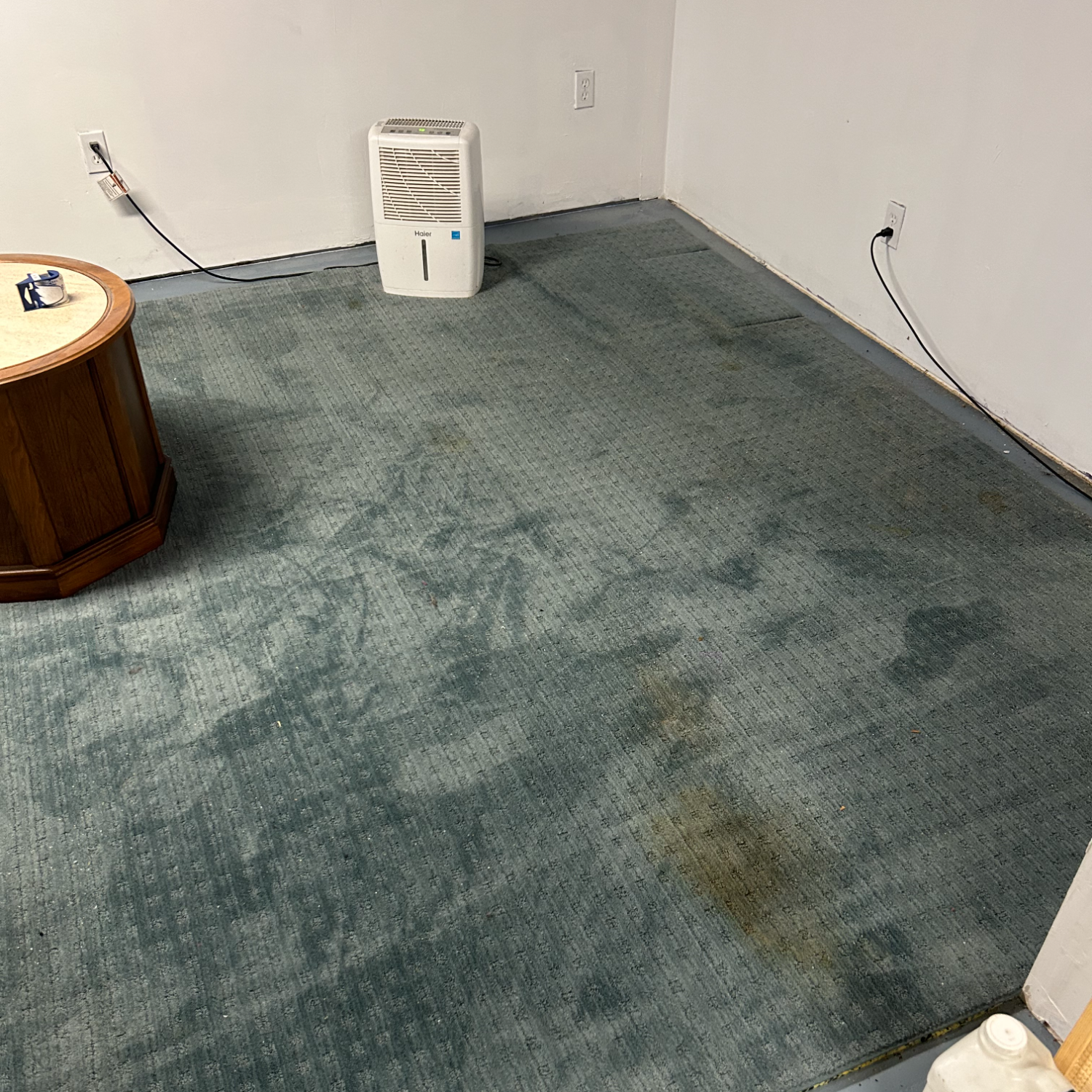
What Homeowners Should Know: Carpet Cleaning After Flooding in Titusville from AC Condensation
In Titusville and surrounding Brevard County communities, many homeowners are surprised to discover that indoor flooding sometimes starts with something as simple as an air conditioning system. AC condensation problems are common across Florida, especially during long, humid summers when cooling systems run constantly.
When condensation drainage fails or becomes clogged, water can overflow and spread into flooring and carpets. Because this process often happens slowly, homeowners may not notice the issue until carpets become soaked or mold odors appear.
Carpet cleaning and proper drying after AC-related flooding are critical steps in protecting both the home and indoor air quality. Understanding how these problems develop and how professional restoration works helps homeowners avoid long-term damage.
How AC Condensation Causes Indoor Flooding
Air conditioning systems remove humidity from indoor air as they cool homes. The moisture collected during this process drains through a condensate line and exits the house safely. However, when that drainage system fails, water has nowhere to go.
Common causes include:
• Clogged condensate drain lines
• Overflowing drain pans
• Improper AC installation
• Poor maintenance
• High humidity overwhelming drainage systems
When drainage fails, water may leak into closets, walls, or ceilings before reaching flooring. Over time, carpets absorb this moisture, leading to flooding conditions inside the home.
Because AC units often run continuously in Florida, condensation leaks may continue unnoticed for days or weeks.
Why Condensation Flooding Is Common in Titusville Homes
Homes in Titusville, as well as nearby communities such as Mims, Cocoa, and Port St. John, experience heavy humidity for much of the year. This constant moisture load forces air conditioning systems to work harder and produce more condensation.
Local factors that increase risks include:
• High year-round humidity levels
• Older HVAC systems or aging drain lines
• Air handlers located in attics or closets
• Poor ventilation trapping indoor moisture
• Limited routine AC maintenance
Homes built on slab foundations often experience faster carpet saturation because moisture has nowhere to escape once it spreads across floors.
Signs Carpets Were Affected by AC Flooding
Many homeowners assume carpet drying happens naturally after minor flooding, but hidden moisture often remains underneath.
Common warning signs include:
• Damp or squishy carpet areas
• Musty odors in rooms
• Carpet discoloration
• Warping of nearby flooring
• Mold appearing near baseboards
• Persistent humidity indoors
Even when carpet surfaces feel dry, padding underneath may remain wet for extended periods.
Hidden Damage Beneath Flooded Carpets
Carpets act like sponges during flooding events. Water quickly seeps through carpet fibers and becomes trapped in padding and subfloors.
Hidden damage often occurs in:
• Carpet padding beneath flooring
• Wooden subfloor materials
• Baseboards and wall cavities
• Insulation near flooring edges
• Furniture legs and lower cabinets
If moisture remains trapped, mold growth and structural damage can follow.
Why DIY Carpet Drying Often Fails
After flooding, homeowners often try using household fans or opening windows to dry carpets. While these steps help surface drying, they rarely solve deeper moisture problems.
DIY efforts usually fall short because:
• Padding remains wet beneath carpets
• Subfloors retain moisture
• Humid outdoor air slows drying
• Mold may already begin growing
• Household equipment lacks drying power
Without proper drying, odors and mold often develop weeks later.
How Professional Carpet Cleaning and Drying Works
Professional restoration teams use specialized equipment designed to dry carpets and underlying materials completely.
The process typically includes:
• Moisture detection to determine saturation levels
• Water extraction using powerful equipment
• Removal or lifting of carpet padding when necessary
• Structural drying with air movers and dehumidifiers
• Cleaning and sanitizing affected surfaces
• Final moisture verification
These steps ensure both visible and hidden moisture are removed.
Step-by-Step Carpet Restoration After Flooding
When professionals address AC condensation flooding, they follow a structured restoration approach.
Step 1: Source Correction
Technicians first correct the AC drainage problem to prevent continued leaks.
Step 2: Water Extraction
High-powered extraction equipment removes water trapped in carpet and padding.
Step 3: Padding Removal if Needed
Severely saturated padding is often removed and replaced since it retains moisture easily.
Step 4: Structural Drying
Air movers and dehumidifiers dry subfloors and surrounding materials.
Step 5: Carpet Cleaning and Treatment
Carpets are professionally cleaned and sanitized to remove contaminants and odors.
Step 6: Moisture Testing
Final inspections confirm complete drying before restoration finishes.
Mold Risks After Carpet Flooding
Florida’s climate makes mold growth a major concern after indoor flooding. Mold spores exist naturally indoors but grow rapidly when materials stay damp.
Conditions encouraging mold include:
• Warm indoor temperatures
• Persistent moisture
• Organic materials like carpet fibers
• Limited airflow
Carpet padding and subfloors provide ideal environments for mold growth if not properly dried.
HVAC Systems and Moisture Spread
AC condensation flooding sometimes impacts nearby HVAC components. Moisture spreading into duct systems or air handlers can worsen indoor air quality.
Signs HVAC systems may be affected include:
• Musty smells when AC runs
• Increased indoor humidity
• Mold growth near vents
• Reduced airflow efficiency
Professional inspection often includes checking HVAC systems if flooding occurs nearby.
Preventing Future Carpet Flooding
Homeowners in Titusville can reduce future risks with proactive maintenance.
Helpful preventive steps include:
• Scheduling annual AC maintenance
• Cleaning condensate drain lines regularly
• Installing overflow safety switches
• Checking AC closets and attic units periodically
• Monitoring indoor humidity levels
• Using dehumidifiers when needed
Routine inspections help identify small issues before flooding occurs.
Why Local Experience Matters
Homes across Titusville and surrounding Brevard County communities experience moisture problems differently based on construction style and location. Professionals familiar with local homes understand how condensation spreads and where moisture commonly collects.
Homeowners often rely on experienced providers such as Palm Bay Mold Removal because familiarity with Florida’s climate and local building designs allows accurate inspections and long-term solutions.
Local experience helps ensure restoration work addresses root causes rather than temporary symptoms.
Acting Quickly Protects Your Home
Carpet flooding caused by AC condensation may seem minor at first, but hidden moisture can quickly lead to mold growth and structural damage if ignored.
Scheduling professional inspection and carpet drying after indoor flooding ensures moisture is removed completely and helps prevent recurring problems. Proper cleaning restores comfort while protecting indoor air quality.
Taking early action keeps Titusville homes safe, dry, and comfortable, preventing small AC problems from becoming costly restoration projects later.