
Warning Signs and Prevention: Black Mold Removal in Cocoa Beach After Flooding
Flooding can be devastating for any homeowner, but in coastal communities like Cocoa Beach, the risk is especially high due to tropical storms, heavy seasonal rains, and storm surge events. After floodwaters recede, one of the most serious and often hidden consequences is black mold growth. Left untreated, mold can damage your property, reduce indoor air quality, and create long-term structural issues.
This comprehensive guide explains how black mold develops after flooding, the warning signs homeowners should never ignore, the professional removal process, and proven prevention strategies to protect your property in Cocoa Beach.
Why Flooding Creates Ideal Conditions for Black Mold
Floodwater introduces moisture into nearly every part of a home. Porous materials such as drywall, insulation, carpet, wood framing, and upholstery absorb water quickly. In Florida’s warm and humid climate, mold can begin growing within 24 to 48 hours.
Key Factors That Contribute to Mold Growth
- High Humidity Levels – Coastal air in Cocoa Beach already contains significant moisture. After flooding, indoor humidity often rises above 70%, creating ideal mold conditions.
- Warm Temperatures – Mold thrives in temperatures between 70°F and 90°F, common year-round in Florida.
- Organic Materials – Drywall paper, wood, carpet padding, and dust provide nutrients for mold colonies.
- Poor Ventilation – Flooded homes often remain closed up during cleanup, trapping moisture inside.
When these elements combine, black mold can spread rapidly, often out of sight behind walls and beneath flooring.
What Is Black Mold?
The term “black mold” commonly refers to Stachybotrys chartarum, a dark green or black fungus that grows on damp cellulose-based materials. While not all black-colored mold is toxic, certain strains may produce mycotoxins that can irritate the respiratory system.
Regardless of species, any significant mold growth after flooding should be addressed promptly to prevent further damage and health concerns.
Early Warning Signs After Flooding
Recognizing mold early is critical to minimizing remediation costs and protecting your home.
1. Persistent Musty Odor
A strong earthy or damp smell is often the first sign of hidden mold growth. If the odor remains even after surfaces appear dry, moisture may still be trapped within structural materials.
2. Visible Discoloration
Dark patches on walls, ceilings, baseboards, or flooring may signal mold colonies forming beneath the surface.
3. Peeling Paint or Bubbling Drywall
Moisture trapped inside walls can cause paint to blister or drywall to warp.
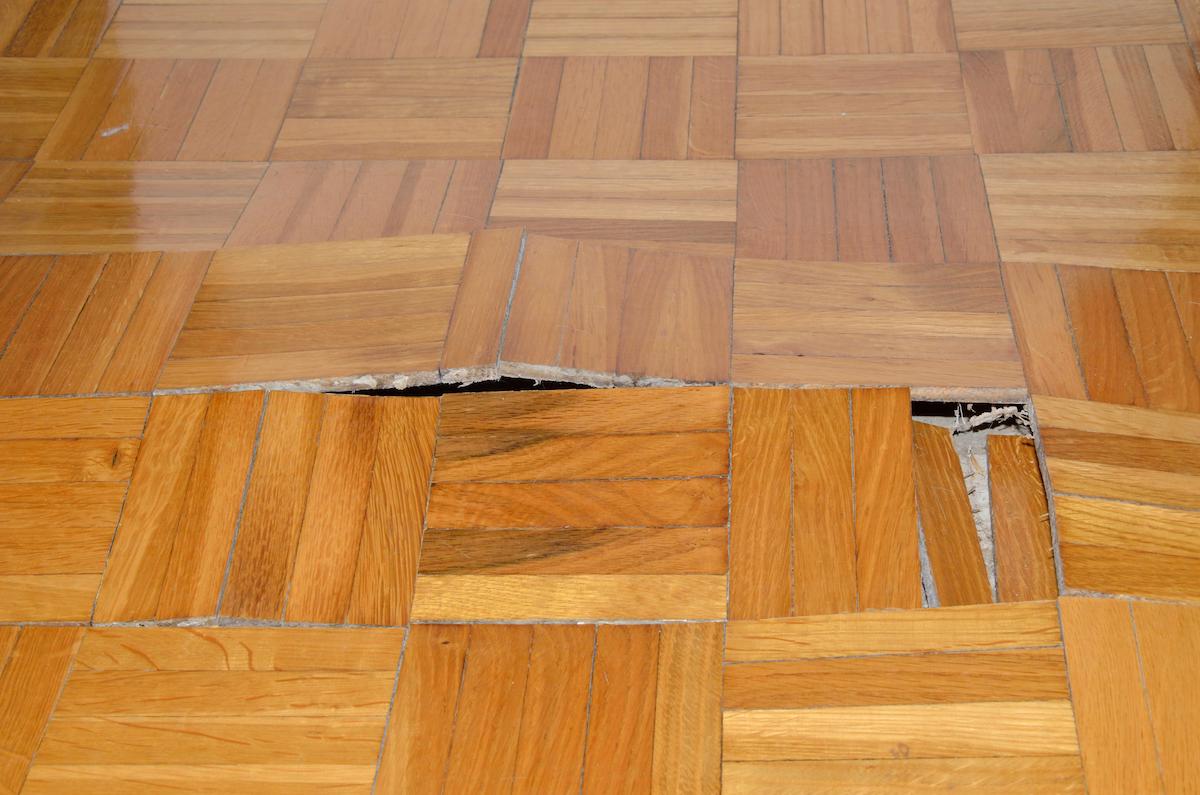
4. Warped Flooring
Wood or laminate floors that buckle or cup often indicate moisture saturation below.
5. Allergy-Like Symptoms
If occupants experience coughing, sneezing, eye irritation, headaches, or worsened asthma after flooding, mold spores may be circulating indoors.
6. Recurring Moisture Issues
Even after visible drying, persistent dampness in certain areas suggests incomplete water removal.
Areas Most Vulnerable to Black Mold Growth
Floodwater does not always affect all parts of a home equally. Some areas are particularly susceptible:
Drywall and Insulation
Drywall absorbs water quickly. If not removed within 24–48 hours, mold growth can occur inside wall cavities.
Subflooring
Moisture trapped beneath flooring materials can lead to extensive hidden mold damage.
HVAC Systems
Floodwaters can contaminate ductwork, allowing spores to circulate throughout the home.
Cabinets and Built-Ins
Closed cabinetry traps moisture, encouraging mold growth inside and behind units.
Attics
Flood-related roof damage may introduce moisture into attic insulation and framing.
The Importance of Professional Black Mold Removal
While small surface mold spots can sometimes be cleaned safely, flood-related mold contamination often extends far beyond what is visible. Professional remediation ensures thorough removal and prevents cross-contamination.
Step 1: Comprehensive Inspection
Certified technicians use moisture meters, infrared cameras, and visual inspections to identify affected areas.
Step 2: Containment
Plastic sheeting and negative air machines isolate contaminated spaces to prevent spores from spreading to unaffected areas.
Step 3: Removal of Damaged Materials
Porous materials such as drywall, carpet padding, and insulation are often removed and safely discarded.
Step 4: HEPA Filtration and Cleaning
Industrial-grade HEPA vacuums capture microscopic spores from surfaces and air.
Step 5: Antimicrobial Treatment
Specialized cleaning agents eliminate remaining mold colonies.
Step 6: Structural Drying
High-powered air movers and dehumidifiers reduce moisture to safe levels.
Step 7: Restoration
After remediation, damaged materials are replaced and repaired.
Professional remediation not only removes visible mold but addresses underlying moisture sources to prevent recurrence.
Health Risks Associated with Black Mold
Flood-related mold exposure can affect individuals differently. Potential symptoms include:
- Respiratory irritation
- Sinus congestion
- Skin rashes
- Fatigue
- Aggravated asthma
Children, elderly individuals, and those with compromised immune systems may be more sensitive. While not every mold type produces toxins, any widespread growth should be treated seriously.
Prevention Strategies After Flooding
The best defense against black mold in Cocoa Beach homes is rapid and thorough response after water intrusion.
1. Act Within 24–48 Hours
Prompt water extraction dramatically reduces mold risk. Professional water damage restoration services should begin immediately.
2. Remove Saturated Materials
Carpet, padding, insulation, and damaged drywall may need removal to prevent hidden mold development.
3. Increase Ventilation
Open windows (weather permitting) and use fans to promote airflow.
4. Use Dehumidifiers
Maintaining indoor humidity below 60% significantly reduces mold growth potential.
5. Sanitize Surfaces
Disinfect flood-affected surfaces with appropriate cleaning agents.
6. Inspect HVAC Systems
Ensure ductwork and air handlers are cleaned and dried to prevent spore circulation.
7. Monitor Moisture Levels
Use a hygrometer to track indoor humidity levels regularly.
Long-Term Prevention for Coastal Homes
Living in Cocoa Beach means preparing for future flooding risks.
Elevate Utilities
Raising HVAC units, water heaters, and electrical systems above potential flood levels reduces damage risk.
Install Flood Vents
Proper venting helps equalize water pressure and reduce structural damage.
Maintain Roof and Gutters
Prevent rainwater intrusion by ensuring proper drainage.
Seal Foundation Cracks
Water intrusion often begins at small foundation vulnerabilities.
Schedule Routine Inspections
Annual property evaluations can identify moisture issues early.
Insurance Considerations
Flood-related mold coverage varies depending on policy type and cause of damage. Document all water intrusion events, photograph affected areas, and keep repair receipts. Quick reporting improves claim success.
The Cost of Delaying Mold Removal
Ignoring black mold after flooding can result in:
- Structural wood rot
- Compromised drywall and ceilings
- Decreased property value
- Extensive reconstruction costs
- Worsening indoor air quality
What starts as a small moisture problem can evolve into a large-scale remediation project if left untreated.
When to Call a Professional Immediately
Seek expert assistance if:
- Mold covers more than a small isolated area
- You notice persistent musty odors
- Walls or flooring remain damp days after flooding
- Allergy symptoms worsen indoors
- HVAC systems were exposed to floodwater
Professional remediation provides peace of mind that the problem has been thoroughly addressed.
Protecting Your Investment in Cocoa Beach
Flooding is an unfortunate reality for many homeowners in Cocoa Beach. However, black mold growth does not have to become a long-term consequence. By recognizing early warning signs, acting quickly after water intrusion, and investing in professional remediation, homeowners can protect both their property and their health.
Prevention requires vigilance—maintaining low indoor humidity, conducting regular inspections, improving ventilation, and addressing leaks immediately. With the right approach, your home can recover safely from flooding and remain resilient against future moisture challenges.
A proactive strategy today can prevent costly structural damage tomorrow, ensuring your Cocoa Beach home remains safe, healthy, and structurally sound for years to come.