
Water Damage Restoration Services in Satellite Beach During Rainy Season: Inspection and Repair Guide
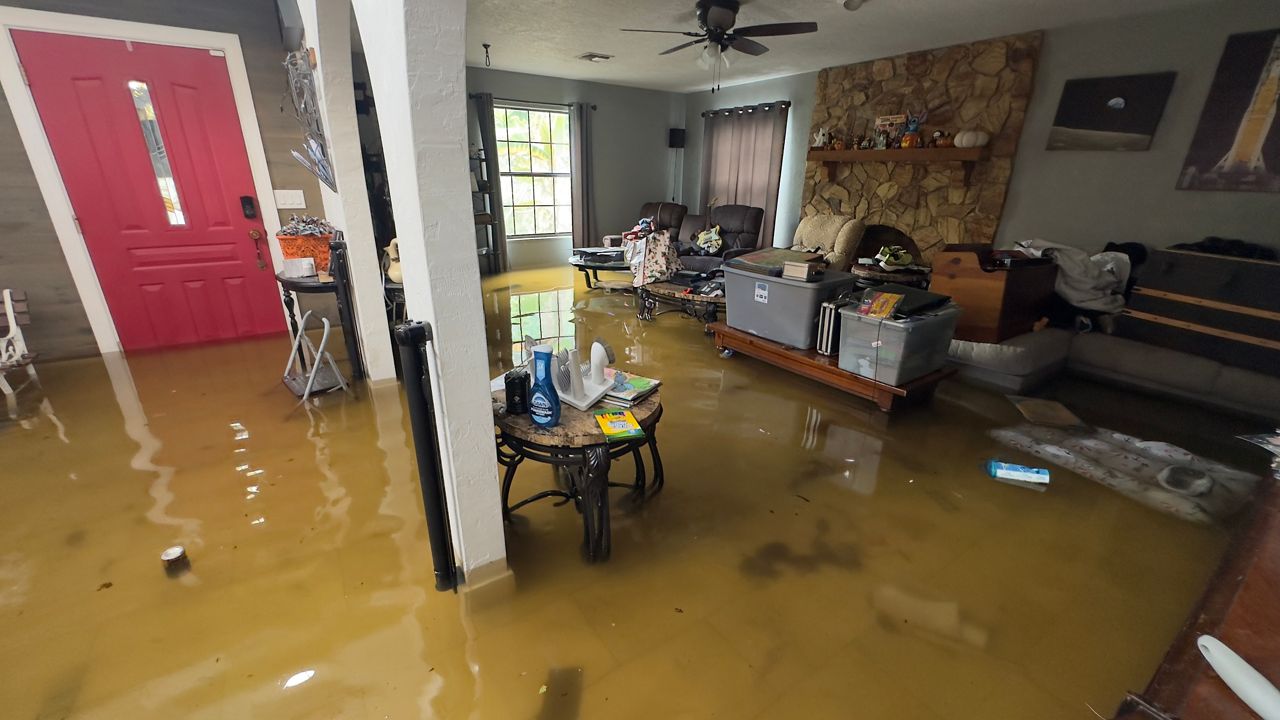
Satellite Beach, Florida experiences a distinct rainy season typically stretching from late spring through early fall. During this period, heavy downpours, tropical storms, and hurricanes significantly increase the risk of residential water damage. For homeowners in this coastal community, understanding how water damage restoration services work—and when to act—can mean the difference between minor repairs and major structural reconstruction.
This comprehensive inspection and repair guide explains how rainy season water damage occurs, what professional restoration services involve, how inspections are conducted, and how timely repairs protect your home’s value and safety.
Why Rainy Season Increases Water Damage Risk
Satellite Beach’s coastal geography and low elevation make it particularly vulnerable during the rainy season. Common contributing factors include:
- Intense afternoon thunderstorms
- Prolonged heavy rainfall
- Tropical storm systems
- Hurricane activity
- Storm surge
- Wind-driven rain
- Saturated soil conditions
Even homes that appear structurally sound can develop water intrusion issues when exposed to repeated rain events.
Common Sources of Rainy Season Water Damage
1. Roof Leaks
High winds and heavy rain can:
- Lift shingles
- Crack flashing
- Compromise roof vents
- Allow water into attic spaces
Attic leaks often go unnoticed until ceiling stains appear.
2. Window and Door Intrusion
Wind-driven rain can penetrate:
- Damaged seals
- Cracked caulking
- Worn weather stripping
Moisture may accumulate inside walls before visible damage appears.
3. Foundation and Slab Leaks
Saturated soil during extended rainfall can:
- Push groundwater against foundations
- Allow seepage into lower-level rooms
- Cause cracks in slabs
4. Gutter and Drainage Failures
Clogged gutters and poor grading allow water to pool near foundations and seep inside.
5. HVAC and Condensation Issues
Humidity spikes during rainy season increase condensation inside ductwork and air handlers, raising mold risk.
The Importance of Immediate Inspection
Rainwater spreads rapidly and can begin damaging materials within minutes. Professional water damage restoration services begin with a detailed inspection.
Step-by-Step Inspection Process
Step 1: Safety Evaluation
Before any restoration begins, technicians check for:
- Electrical hazards
- Structural instability
- Contaminated water exposure
- Slip and fall risks
Safety is the first priority.
Step 2: Moisture Mapping
Professionals use specialized tools:
- Thermal imaging cameras
- Moisture meters
- Hygrometers
These tools identify hidden moisture inside:
- Wall cavities
- Insulation
- Subfloors
- Ceiling voids
- Cabinets
Moisture mapping ensures no affected area is overlooked.
Step 3: Water Classification
Water damage is categorized into three types:
Clean Water
From rain intrusion or broken supply lines.
Gray Water
From appliances or slightly contaminated sources.
Black Water
From floodwaters or sewage backup.
Classification determines cleaning and sanitation protocols.
Step 4: Damage Assessment Report
Restoration teams document:
- Affected areas
- Moisture levels
- Material damage
- Recommended drying plan
- Estimated repair scope
This documentation supports insurance claims.
Professional Water Damage Restoration Process
After inspection, restoration proceeds through structured steps.
Step 1: Water Extraction
Standing water is removed using:
- Truck-mounted extraction systems
- Submersible pumps
- Wet vacuums
Quick removal reduces structural swelling and mold risk.
Step 2: Removal of Damaged Materials
Porous materials that cannot be salvaged are removed, including:
- Saturated drywall
- Wet insulation
- Carpet padding
- Damaged baseboards
Removing compromised materials prevents mold development.
Step 3: Structural Drying
Industrial drying equipment is deployed:
- High-velocity air movers
- Commercial dehumidifiers
- Air scrubbers
Drying typically takes 3–7 days depending on severity.
Controlled drying prevents:
- Warping
- Cracking
- Structural stress
Step 4: Cleaning and Sanitizing
Rainwater can carry dirt, bacteria, and debris. Professionals apply:
- Antimicrobial treatments
- Surface disinfectants
- Odor neutralizers
- HEPA air filtration
This step restores indoor air quality.
Step 5: Mold Prevention or Remediation
In Satellite Beach’s humid climate, mold growth is a major concern.
If mold is detected:
- Containment barriers are installed
- Contaminated materials are removed
- Surfaces are treated with antifungal solutions
- Air scrubbers remove spores
Early intervention reduces extensive mold remediation costs.
Step 6: Repairs and Reconstruction
After drying and sanitation:
- Drywall is replaced
- Flooring is reinstalled
- Cabinets are repaired
- Paint is restored
- Insulation is replaced
Full-service restoration companies manage both mitigation and rebuild phases.
How Restoration Protects Residential Homes
Preserves Structural Integrity
Moisture weakens framing, subfloors, and support beams. Professional drying prevents long-term deterioration.
Prevents Mold Growth
Florida humidity accelerates mold development. Quick drying interrupts growth cycles.
Improves Indoor Air Quality
Rainy season water intrusion often introduces allergens and airborne contaminants.
Restoration includes air filtration and sanitation to ensure healthy living conditions.
Reduces Long-Term Costs
Early restoration is significantly less expensive than delayed structural reconstruction.
Protects Property Value
Unresolved water damage lowers home resale value and may require disclosure during sales.
Professional documentation reassures potential buyers.
Cost of Water Damage Restoration During Rainy Season
Costs depend on severity and affected areas.
Minor Water Intrusion
$1,000 – $3,500
Moderate Multi-Room Damage
$3,500 – $8,000
Severe Flood Damage
$10,000 – $30,000+
Factors affecting cost include:
- Duration of water exposure
- Mold presence
- Type of water contamination
- Materials affected
- Reconstruction scope
Insurance coverage depends on policy terms and cause of damage.
Warning Signs Homeowners Should Never Ignore
- Ceiling discoloration
- Musty odors
- Warped flooring
- Peeling paint
- Increased indoor humidity
- Visible mold spots
- Persistent dampness
Acting quickly prevents extensive damage.
Prevention Tips for Rainy Season
Inspect Roof Annually
Repair missing shingles and damaged flashing.
Clean Gutters Regularly
Ensure water flows away from foundations.
Seal Windows and Doors
Replace worn caulking and weather stripping.
Maintain Landscaping Grading
Slope soil away from home foundations.
Install Water Sensors
Leak detection devices provide early warning.
Maintain HVAC Systems
Prevent condensation-related moisture issues.
Real Residential Scenario
During an intense summer thunderstorm, a Satellite Beach homeowner discovered water pooling near sliding glass doors. Wind-driven rain had penetrated worn weather stripping.
Restoration included:
- Immediate water extraction
- Removal of damaged baseboards
- Structural drying
- Antimicrobial treatment
- Reinstallation of trim
- Replacement of door seals
Because the issue was addressed promptly, mold growth was avoided and structural damage remained minimal.
Why DIY Cleanup Is Risky
Homeowners often attempt to dry water damage with:
- Household fans
- Shop vacuums
- Open windows
DIY methods cannot:
- Detect hidden moisture
- Remove deep water from subfloors
- Sanitize contaminated materials
- Prevent mold effectively
Professional equipment extracts significantly more moisture and ensures complete drying.
Final Thoughts
Water damage restoration services in Satellite Beach are especially critical during rainy season. Coastal weather patterns bring heavy rainfall, strong winds, and elevated humidity—all of which increase the risk of residential water intrusion.
Professional inspection and repair services help homeowners by:
- Identifying hidden moisture
- Removing standing water
- Drying structural components
- Preventing mold growth
- Sanitizing affected areas
- Restoring damaged materials
- Protecting property value
In a humid coastal environment, fast action is the key to minimizing damage and ensuring long-term protection.
For Satellite Beach homeowners, understanding the inspection and restoration process provides peace of mind and empowers proactive decisions during Florida’s rainy season.