
What Homeowners Should Know: Mold Removal in Viera after Storm Damage
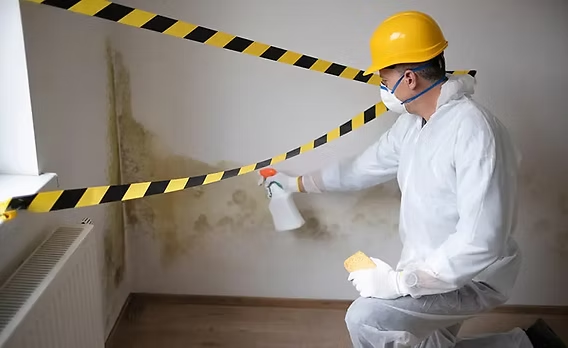
Storm damage is a common concern for homeowners in Viera and across Brevard County. Heavy rain, tropical storms, and hurricanes often bring strong winds and water intrusion that affect homes in ways not always visible right away. While many homeowners quickly repair roof leaks or dry flooded areas, hidden moisture frequently remains behind walls, beneath flooring, or inside attic spaces.
When moisture is left untreated, mold growth can begin within days, leading to ongoing property damage and declining indoor air quality. Understanding how mold develops after storms — and how proper removal works — helps Viera homeowners protect their properties and avoid long-term restoration expenses.
This guide explains what homeowners should know about mold removal after storm damage and how to respond effectively when moisture enters the home.
How Storm Damage Leads to Mold Problems
Storm damage does not always mean visible flooding. Many homes experience smaller leaks or moisture intrusion that still creates mold risk.
Storm-related moisture commonly enters homes through:
- Roof damage or lifted shingles
- Wind-driven rain entering siding or walls
- Damaged window and door seals
- Overflowing gutters
- Foundation cracks
- Flooding or rising groundwater
- AC system condensation issues after power outages
Once water enters, it often spreads across insulation, wood framing, and drywall before homeowners notice any visible signs.
If moisture remains trapped inside building materials for more than a day or two, mold can begin forming.
Why Mold Growth Is Common in Viera Homes After Storms
Homes in Viera and nearby communities such as Melbourne, Palm Bay, Rockledge, and Satellite Beach face repeated moisture challenges due to Florida’s coastal climate.
Local conditions that increase mold risk include:
- High humidity levels year-round
- Frequent seasonal storms
- Hurricanes and tropical weather
- Warm temperatures accelerating mold growth
- Slab foundations trapping moisture
- Crawl spaces prone to dampness
- Continuous AC operation creating condensation
Even homes that appear dry after cleanup may still contain hidden moisture inside walls or attic insulation.
Because moisture is often hidden, mold growth frequently continues unnoticed until odors or visible damage appear.
Early Signs Mold May Be Developing
Mold problems do not always appear immediately after a storm. Homeowners often notice warning signs weeks later.
Common signs include:
- Musty or damp smells indoors
- Stains forming on ceilings or walls
- Peeling paint or bubbling drywall
- Increased indoor humidity
- Allergy irritation indoors
- Condensation on windows
- Mold spots in closets or corners
- Warped baseboards or flooring
Sometimes the only clue is that a room feels damp or uncomfortable compared to other parts of the home.
Responding early prevents larger restoration problems later.
Hidden Areas Mold Often Grows After Storm Damage
Storm-related mold frequently develops in areas homeowners rarely inspect.
Common hidden growth areas include:
- Inside drywall cavities
- Beneath carpets and flooring
- Behind cabinets or furniture
- Attic insulation and roof decking
- Crawl spaces under homes
- Inside HVAC ducts
- Air handler compartments
- Closet and storage areas
Water often travels far from the original leak, meaning mold growth may occur away from visible damage.
Without inspection, contamination may spread before discovery.
Why DIY Mold Cleanup Usually Falls Short
After storm damage, some homeowners attempt to clean mold themselves. While surface cleaning may remove visible spots, it rarely addresses the underlying issue.
Typical DIY attempts include:
- Scrubbing visible mold with household cleaners
- Painting over stained surfaces
- Running fans temporarily
- Using dehumidifiers without inspection
- Cleaning only accessible areas
These steps may temporarily improve appearance but often leave moisture and mold hidden behind walls or under flooring.
Improper cleanup may also spread mold spores further through the home.
Professional remediation ensures contamination is safely removed and moisture sources corrected.
Professional Mold Inspection After Storm Damage
Professional mold removal begins with inspection rather than immediate cleaning.
A proper inspection usually includes:
- Moisture detection in walls and floors
- Attic and crawl space evaluation
- HVAC and duct inspection
- Humidity measurements
- Identification of water intrusion paths
- Evaluation of ventilation problems
Testing may confirm contamination and help guide remediation efforts.
This inspection ensures restoration targets all affected areas instead of just visible damage.
Step-by-Step Mold Removal Process
Once contamination is confirmed, professionals follow a structured remediation process.
Step 1: Correcting Moisture Sources
Roof leaks, drainage problems, or ventilation issues must be repaired first.
Step 2: Containment Setup
Affected areas are isolated to prevent mold spores from spreading during cleanup.
Step 3: Air Filtration Installation
HEPA filtration systems capture airborne mold particles.
Step 4: Removal of Contaminated Materials
Severely affected drywall, insulation, or flooring may need removal.
Step 5: Professional Surface Cleaning
Specialized equipment cleans structural surfaces.
Step 6: Sanitization
Safe antimicrobial treatments help prevent regrowth.
Step 7: Structural Drying
Professional drying equipment removes remaining moisture.
Step 8: Final Testing
Moisture levels are confirmed safe before restoration is complete.
This step-by-step process ensures mold is removed safely and thoroughly.
Flood Restoration and Water Damage Repair
Storm damage often impacts more than one part of the home. Mold removal typically works alongside broader restoration efforts.
Professionals may also handle:
- Water extraction and structural drying
- Carpet cleaning after flooding
- Ceiling and wall repairs
- Crawl space moisture control
- HVAC duct cleaning
- AC moisture repair
- Insulation replacement
Ignoring surrounding moisture often allows mold problems to return.
HVAC Systems and Mold Spread
HVAC systems often contribute to mold spread after storms if moisture enters ducts or air handlers.
Contaminated systems may:
- Circulate musty odors
- Spread mold spores
- Reduce airflow efficiency
- Increase dust accumulation
Cleaning and correcting HVAC moisture problems is often necessary to fully restore indoor air quality.
Preventing Mold After Future Storms
Homeowners in Viera can reduce mold risks through preventive steps.
Helpful measures include:
- Inspecting roofs regularly and after storms
- Keeping gutters and drainage systems clear
- Repairing leaks immediately
- Maintaining attic ventilation
- Scheduling annual AC maintenance
- Monitoring indoor humidity
- Using dehumidifiers during humid seasons
- Scheduling inspections after storms
Quick action prevents long-term damage and restoration costs.
Why Local Experience Matters
Mold removal in coastal Florida requires knowledge of local construction methods and climate challenges.
Professionals familiar with Viera and surrounding communities understand:
- Coastal humidity patterns
- Storm-related water intrusion risks
- Construction styles common in Brevard County
- Ventilation challenges in Florida homes
- HVAC performance in humid climates
Local companies such as Palm Bay Mold Removal regularly assist homeowners throughout Palm Bay, Viera, and nearby communities, allowing them to identify hidden problems quickly and recommend solutions suited to local conditions.
Local expertise helps prevent recurring mold issues.
Acting Early Protects Your Home
Storm damage can have lasting effects long after visible repairs are complete. Scheduling a professional inspection after storms helps ensure hidden moisture does not lead to mold growth or structural damage.
Addressing mold early protects both property value and indoor comfort. With proper remediation and preventive care, Viera homeowners can maintain safe, comfortable living environments despite Florida’s challenging weather conditions.
Image Prompt 1:
Realistic residential interior in Viera home showing professional mold remediation and drying equipment after storm water intrusion, natural lighting, clean environment, no people, no logos or text.
Image Prompt 2:
Attic space in coastal Florida home with HVAC ductwork and insulation being professionally cleaned during mold removal after storm damage, realistic textures, no people.
Image Prompt 3:
Water-damaged wall and flooring area inside Viera residence undergoing professional drying and mold remediation, natural lighting, realistic environment, no branding, no people.