
Mold Removal in Satellite Beach After Flooding: Complete Guide for Homeowners
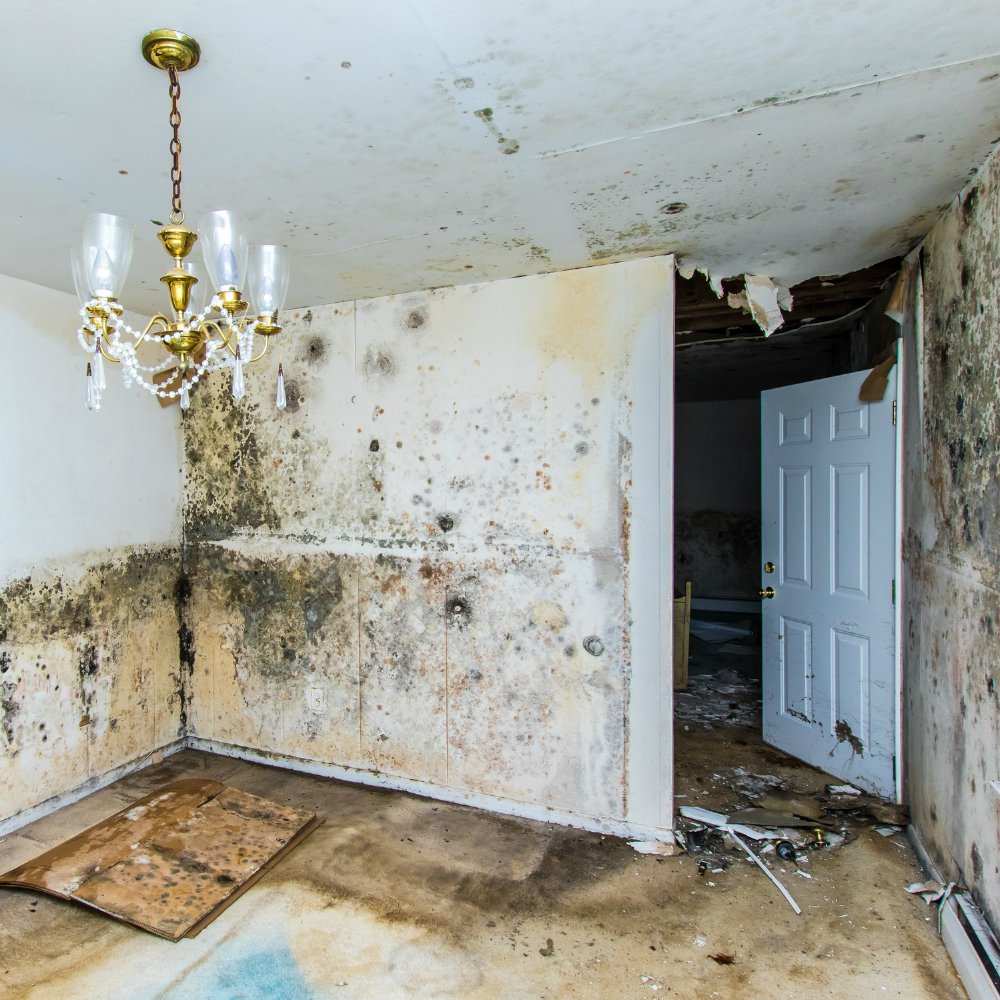
Flooding is one of the most disruptive events a homeowner can face, especially in coastal communities like Satellite Beach. With its proximity to the Atlantic Ocean, seasonal storms, and occasional hurricanes, homes in this area are particularly vulnerable to water intrusion. While the immediate concern after a flood is often removing standing water and drying the property, another serious issue can develop quickly—mold growth.
Mold removal after flooding is not just about cleaning visible spots on walls. It involves a systematic process designed to identify hidden moisture, remove contaminated materials, restore indoor air quality, and prevent future growth. This comprehensive guide explains how mold develops after flooding, warning signs you should watch for, the professional removal process, and how homeowners can prevent long-term damage.
Why Flooding in Satellite Beach Leads to Mold Problems
Floodwaters introduce moisture into nearly every porous material inside a home—drywall, insulation, flooring, baseboards, and even structural framing. In a warm and humid coastal climate like Satellite Beach, mold can begin growing within 24 to 48 hours after water exposure.
Several local factors make mold risks higher in this area:
- High humidity levels year-round
- Frequent tropical storms and hurricanes
- Salt-laden coastal air
- Older homes with aging roofs and plumbing systems
- Elevated water tables and storm surge risks
Even if standing water is removed quickly, trapped moisture behind walls and under flooring can create the perfect environment for mold colonies to form.
Early Signs of Mold After Flooding
Homeowners should never assume that drying visible surfaces means the problem is solved. Mold often develops in concealed spaces. Recognizing the early signs can prevent extensive structural damage and costly remediation.
1. Musty Odors
A persistent earthy or musty smell is often the first indicator of mold growth. If your home smells damp days after drying efforts, moisture may still be present.
2. Discoloration on Walls or Ceilings
Mold may appear as:
- Black or dark green spots
- Brown or yellow staining
- Fuzzy or powdery surface growth
Even minor staining after a flood should be investigated.
3. Peeling Paint or Bubbling Drywall
When drywall absorbs moisture, it may swell, bubble, or crack. Mold can grow beneath these damaged areas.
4. Warped Flooring
Wood and laminate floors may buckle or cup due to moisture beneath the surface. This hidden moisture can support mold growth.
5. Increased Allergy Symptoms
Residents may experience:
- Sneezing
- Coughing
- Eye irritation
- Headaches
- Worsening asthma
If symptoms worsen indoors after flooding, mold contamination may be affecting air quality.
Why Mold Removal Is Essential After Flooding
Ignoring mold growth can result in:
- Structural weakening of framing and subfloors
- Damage to insulation and drywall
- Contaminated HVAC systems
- Reduced indoor air quality
- Long-term health concerns
In a humid coastal environment like Satellite Beach, untreated mold can spread rapidly. What starts in one room can quickly extend to adjoining spaces through air circulation systems and structural cavities.
Professional mold removal ensures that contamination is fully addressed, not just temporarily covered up.
The Professional Mold Removal Process
Effective mold remediation follows a systematic approach. Here is what homeowners can expect during professional mold removal after flooding:
1. Comprehensive Inspection and Moisture Detection
Technicians begin with a full assessment of the home. This includes:
- Moisture meter readings
- Thermal imaging to detect hidden damp areas
- Inspection of attic spaces, crawl spaces, and wall cavities
- Evaluation of HVAC systems
Identifying all moisture sources is critical. If moisture remains, mold will return even after cleaning.
2. Containment of Affected Areas
To prevent cross-contamination, professionals seal off affected areas using:
- Plastic sheeting barriers
- Negative air pressure machines
- HEPA filtration systems
This step ensures mold spores do not spread to unaffected parts of the home.
3. Removal of Contaminated Materials
Flood-soaked materials that cannot be salvaged are carefully removed, including:
- Saturated drywall
- Insulation
- Carpet and padding
- Damaged baseboards
- Severely affected wood
Porous materials that have absorbed floodwater often cannot be safely cleaned and must be replaced.
4. Cleaning and Disinfection
Non-porous and salvageable surfaces are cleaned using specialized antimicrobial solutions. Technicians may use:
- HEPA vacuums
- Scrubbing and surface treatment
- Air scrubbers
- Fogging equipment for odor control
This step reduces mold spores and prevents regrowth.
5. Structural Drying
Industrial-grade dehumidifiers and air movers are placed strategically throughout the home. Monitoring continues until moisture levels return to safe standards.
6. Final Testing and Verification
Some homeowners opt for post-remediation testing to confirm that mold spore levels have returned to normal indoor ranges. Clearance testing offers peace of mind that the job was completed thoroughly.
Special Considerations for Older Homes in Satellite Beach
Many residential homes in Satellite Beach were built decades ago. Older homes present unique challenges:
Outdated Building Materials
Older drywall and insulation may absorb water more easily and deteriorate faster.
Aging Plumbing Systems
Flooding combined with weakened pipes can lead to secondary leaks.
Poor Ventilation
Older homes may lack modern ventilation systems, increasing humidity retention.
Wood Framing Vulnerability
Exposed wood framing in crawl spaces and attics can quickly develop mold if not dried properly.
Professional mold removal teams understand these local structural characteristics and adjust remediation strategies accordingly.
Health and Safety During Mold Removal
Homeowners should avoid disturbing mold growth themselves, especially after flooding. Floodwaters may contain bacteria and contaminants beyond mold spores.
During remediation:
- Residents may need to vacate heavily affected areas
- Protective equipment (respirators, gloves, suits) is used
- Air filtration devices run continuously
Attempting DIY removal without proper containment can worsen contamination and increase health risks.
Preventing Future Mold Growth After Flooding
Once mold removal is complete, prevention becomes the next priority.
1. Improve Drainage Around the Home
Ensure gutters and downspouts direct water away from the foundation. Clear debris regularly, especially before storm season.
2. Inspect Roofs and Seals
Coastal storms can loosen shingles and damage flashing. Annual roof inspections reduce leak risks.
3. Upgrade Ventilation
Install exhaust fans in bathrooms and kitchens if not already present. Proper airflow helps control humidity.
4. Use Dehumidifiers
During humid months, maintaining indoor humidity below 60% significantly reduces mold risk.
5. Seal Foundation Cracks
Even minor cracks can allow moisture intrusion during heavy rain events.
6. Schedule Regular HVAC Maintenance
HVAC systems can harbor moisture if not properly maintained. Clean coils and condensate lines reduce mold risks.
Insurance Considerations
Flood-related mold damage may or may not be covered depending on your policy. Homeowners in Satellite Beach should:
- Review flood insurance policies
- Document damage with photos
- Report flooding promptly
- Keep records of restoration services
Working with experienced restoration professionals can also help streamline insurance claims.
The Cost of Mold Removal After Flooding
Costs vary depending on:
- Size of the affected area
- Severity of contamination
- Materials that require replacement
- Length of time moisture remained untreated
- Need for structural repairs
Early intervention significantly reduces expenses. Small localized mold problems are far less costly than whole-home remediation.
Why Acting Quickly Matters
Time is the most critical factor after flooding. Mold growth can escalate rapidly in the warm, humid environment of Satellite Beach. Within days, minor moisture pockets can become widespread contamination.
Prompt mold removal helps:
- Preserve structural integrity
- Protect indoor air quality
- Reduce long-term repair costs
- Prevent recurring issues
- Restore peace of mind
Delaying action often leads to more invasive demolition and higher restoration expenses.
When to Call a Professional
Homeowners should contact mold remediation professionals if:
- Floodwater remained indoors for more than 24 hours
- There is visible mold growth larger than a small patch
- Musty odors persist
- Drywall feels soft or damp
- HVAC systems were exposed to floodwater
- Occupants experience unexplained allergy symptoms
Professional intervention ensures that both visible and hidden mold are properly addressed.
Final Thoughts for Satellite Beach Homeowners
Flooding is an unfortunate reality for many homeowners in Satellite Beach, but mold growth does not have to become a long-term consequence. Understanding the warning signs, acting quickly, and working with experienced restoration professionals can protect your property and your health.
Mold removal after flooding is not simply about cleaning surfaces—it’s about restoring the home’s structural integrity, indoor air quality, and overall safety. With proper inspection, thorough remediation, and preventive maintenance, homeowners can safeguard their properties against future mold problems.
If your home has experienced flooding, don’t wait for visible mold to spread. Early detection and professional removal make all the difference in preserving your home for years to come.