
Mold Removal in Titusville after Water Damage: Step-by-Step Process Explained
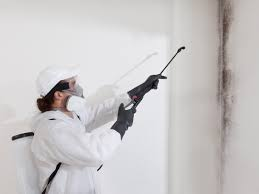
Water damage is one of the most common triggers for mold problems in Titusville homes. Heavy rains, plumbing failures, storm flooding, and air conditioning moisture issues often leave behind hidden damp areas that allow mold to grow quickly. While many homeowners focus on visible repairs after water intrusion, mold frequently develops behind walls, under flooring, or inside duct systems where it goes unnoticed until odors or damage become obvious.
Understanding how mold removal works after water damage helps homeowners respond quickly and prevent long-term problems. This guide explains the step-by-step mold removal process used in Titusville homes and what property owners can do to protect their homes after water damage.
Understanding Mold Growth After Water Damage
Mold spores naturally exist everywhere, both indoors and outdoors. Normally, they do not create problems. Issues begin when moisture remains trapped inside building materials.
After water damage, materials such as drywall, insulation, wood framing, and carpet padding absorb moisture. When these materials stay damp for more than a day or two, mold can begin growing.
Water intrusion in Titusville homes commonly results from:
- Heavy rainstorms
- Hurricane or tropical storm flooding
- Roof leaks
- Plumbing failures
- AC condensation problems
- Appliance leaks
- Crawl space moisture intrusion
Once mold develops, spores can spread through airflow and affect multiple areas of the home.
Why Mold Problems Are Common in Titusville Homes
Titusville’s location near the coast and Florida’s warm, humid climate create ideal conditions for mold growth after water damage.
Local factors include:
- High humidity most of the year
- Seasonal heavy rainfall
- Storm surge and flooding
- Homes built on slab foundations
- Crawl spaces prone to moisture
- Constant AC usage creating condensation
- Warm temperatures accelerating mold growth
Homes in nearby areas like Merritt Island, Rockledge, and Cocoa Beach experience similar challenges, especially after major storms when widespread water intrusion occurs.
Even when surfaces appear dry, moisture may remain hidden within structures.
Signs Homeowners Often Notice After Water Damage
Mold growth may not appear immediately after water damage. Many homeowners begin noticing signs weeks later.
Common warning signs include:
- Musty or damp odors indoors
- Visible mold spots on walls or ceilings
- Discoloration or staining
- Warped baseboards or flooring
- Peeling paint or bubbling drywall
- Allergy irritation indoors
- Increased indoor humidity
- Condensation on windows
Sometimes the only clue is a persistent smell or a room feeling damp.
Hidden Areas Where Mold Often Develops
After water damage, mold commonly forms in areas homeowners rarely inspect.
Common hidden locations include:
- Inside wall cavities
- Beneath carpet and flooring
- Behind cabinets or furniture
- Attic insulation and roof decking
- Crawl spaces under homes
- Inside air ducts
- Around air handlers
- Closet corners and storage areas
Water often travels far from the original leak, spreading moisture across structural components.
Why DIY Mold Removal Often Fails
After minor water damage, homeowners sometimes attempt cleanup themselves. While surface cleaning may temporarily improve appearance, it rarely removes the underlying problem.
Common DIY efforts include:
- Scrubbing visible mold
- Painting over stains
- Running fans or dehumidifiers
- Cleaning surfaces with household products
- Replacing small sections of drywall
These approaches usually miss mold hidden behind walls or beneath flooring. In some cases, disturbing mold without containment spreads spores further.
Professional remediation addresses both mold and moisture sources.
Professional Mold Inspection and Testing Explained
Professional mold removal begins with a detailed inspection rather than immediate cleaning.
A proper inspection typically includes:
- Moisture detection inside walls and flooring
- Attic and crawl space inspections
- HVAC system evaluation
- Humidity measurements
- Identification of water intrusion paths
- Assessment of ventilation issues
Testing may also confirm mold presence and determine contamination levels.
This step ensures remediation targets all affected areas.
Step-by-Step Mold Removal Process
Once mold contamination is confirmed, professionals follow a structured remediation process.
Step 1: Correcting the Moisture Source
Water intrusion must be fixed first. This may include repairing leaks, improving drainage, or addressing ventilation problems.
Step 2: Containment Setup
Affected areas are isolated using containment barriers to prevent mold spores from spreading.
Step 3: Air Filtration Installation
HEPA filtration equipment captures airborne mold particles during remediation.
Step 4: Removal of Contaminated Materials
Severely affected drywall, insulation, carpet, or other materials may need removal.
Step 5: Surface Cleaning
Specialized equipment and methods clean contaminated structural surfaces.
Step 6: Sanitization
Approved antimicrobial treatments help prevent regrowth.
Step 7: Structural Drying
Professional drying equipment removes remaining moisture.
Step 8: Final Testing and Clearance
Moisture levels and cleanliness are confirmed before rebuilding or repairs continue.
This method ensures mold is removed safely and effectively.
Flood Restoration and Water Damage Repair
Mold remediation often occurs alongside broader restoration work after flooding or leaks.
Restoration services may include:
- Water extraction
- Structural drying
- Carpet cleaning after flooding
- Drywall and insulation replacement
- Crawl space moisture control
- Air duct cleaning
- AC moisture repair
Ignoring these related issues increases the chance of mold returning.
AC Systems and Mold After Water Damage
HVAC systems often play a role in mold spread after water damage.
Moisture inside ducts or air handlers can lead to:
- Mold spores circulating through vents
- Persistent indoor odors
- Reduced airflow efficiency
- Increased dust accumulation
Cleaning and correcting HVAC moisture problems is often necessary for full restoration.
Preventing Future Mold Problems in Titusville Homes
Homeowners can reduce mold risks through preventive measures.
Helpful steps include:
- Repairing leaks immediately
- Scheduling annual HVAC maintenance
- Monitoring indoor humidity
- Improving attic and crawl space ventilation
- Inspecting homes after storms
- Using dehumidifiers during humid seasons
- Maintaining gutters and drainage systems
- Scheduling moisture inspections when needed
Quick action after water intrusion prevents costly repairs later.
Why Local Experience Matters
Restoration work in Titusville requires understanding local climate and construction patterns.
Professionals familiar with Brevard County homes understand:
- Coastal moisture patterns
- Storm-related flooding risks
- Ventilation challenges in Florida homes
- Common water intrusion locations
- AC system performance in humid climates
Local teams such as Palm Bay Mold Removal regularly serve Titusville and surrounding communities, allowing them to identify hidden problems quickly and recommend solutions suited to local homes.
Local knowledge often prevents recurring issues.
Taking Action After Water Damage
Even when water damage appears minor, hidden moisture may still create conditions for mold growth. Scheduling a professional inspection helps ensure problems are discovered before serious damage develops.
Addressing mold quickly protects property value and indoor comfort. With proper remediation and preventive maintenance, Titusville homeowners can maintain healthier living environments despite Florida’s challenging weather conditions.
Image Prompt 1:
Realistic residential interior in Titusville home showing professional mold remediation after water damage with drying equipment and containment setup, natural lighting, no people, no logos or text.
Image Prompt 2:
Attic space in coastal Florida home with HVAC ductwork and insulation undergoing professional mold removal after water intrusion, realistic textures, professional environment, no people.
Image Prompt 3:
Water-damaged wall and flooring area inside Titusville residence being professionally dried and cleaned during mold remediation, realistic home environment, natural lighting, no branding, no people.