
Moisture Detection Services in Viera after Roof Leaks: Complete Guide for Homeowners
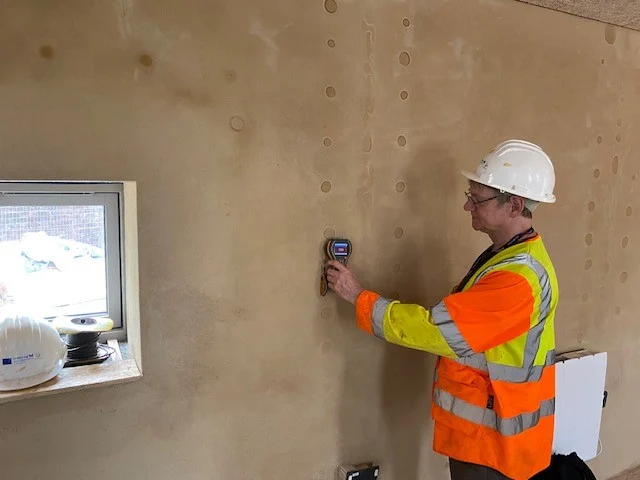
Roof leaks are one of the most common causes of hidden moisture problems in Viera homes, especially after Florida’s heavy rainstorms and hurricane seasons. While homeowners often focus on visible ceiling stains or dripping water, the real damage frequently develops in areas that remain unseen long after a leak is repaired.
Moisture trapped inside walls, insulation, and structural materials can lead to mold growth, structural weakening, and poor indoor air quality if not properly addressed. Professional moisture detection services play a critical role in identifying hidden water damage early, helping homeowners avoid expensive repairs later.
This guide explains how moisture detection works after roof leaks and why homeowners in Viera should consider professional evaluation following any roof-related water intrusion.
Understanding the Impact of Roof Leaks
A roof leak rarely affects just one spot. Water entering through damaged shingles, flashing, or vents can travel across beams and insulation before dripping into visible areas.
By the time homeowners notice a ceiling stain or water drip, moisture may have already spread through:
- Attic insulation
- Roof decking
- Wall cavities
- Ceiling drywall
- Air ducts
- Electrical penetrations
- Floor structures beneath leak areas
Because water moves along structural paths, damage often extends far beyond the visible leak location.
Without proper moisture detection, hidden damp areas remain untreated, allowing problems to grow over time.
Why Roof Leak Moisture Problems Are Common in Viera
Viera and nearby Brevard County communities such as Melbourne, Rockledge, and Merritt Island face recurring moisture challenges due to Florida’s climate.
Local factors contributing to roof-related moisture problems include:
- Heavy seasonal rainfall
- Hurricanes and tropical storms
- High humidity year-round
- Rapid weather changes
- Aging roofing materials in some neighborhoods
- Improper roof repairs
- Blocked drainage systems
- Wind-driven rain intrusion
Even newer homes can experience leaks if flashing or roof components are damaged during storms.
Once moisture enters, Florida’s warm conditions allow mold to develop quickly unless drying occurs promptly.
Signs Homeowners Often Notice After Roof Leaks
Some signs of roof leak moisture problems are obvious, while others develop slowly.
Common warning signs include:
- Ceiling stains or discoloration
- Peeling paint or bubbling drywall
- Musty smells indoors
- Warped ceiling panels
- Damp attic insulation
- Mold growth near ceilings
- Increased indoor humidity
- Water stains near vents or light fixtures
However, many moisture problems remain hidden until damage becomes severe.
Hidden Areas Where Moisture Remains Trapped
Water intrusion from roof leaks often affects spaces homeowners rarely inspect.
Common hidden problem areas include:
- Inside attic insulation
- Behind ceiling drywall
- Inside wall cavities
- Around roof penetrations
- Beneath flooring near walls
- Inside duct systems
- Behind cabinets or closets
- Around window and door frames
Moisture trapped in these areas can lead to mold growth and structural damage if not discovered early.
Why DIY Inspections Often Miss the Problem
After repairing a roof leak, many homeowners assume the problem is solved. Unfortunately, surface repairs do not guarantee that moisture has fully dried.
Common DIY approaches include:
- Checking visible ceiling damage only
- Running fans in affected rooms
- Painting over stains
- Replacing damaged drywall
- Using household dehumidifiers
While helpful in some situations, these steps rarely detect moisture hidden inside structural materials.
Without proper detection tools, damp areas behind walls or ceilings often go unnoticed.
What Professional Moisture Detection Services Do
Professional moisture detection focuses on identifying hidden damp areas throughout the property.
A proper evaluation typically includes:
- Moisture meter testing in ceilings and walls
- Attic inspections
- Thermal imaging scans
- HVAC and duct inspections
- Humidity measurements
- Identification of water travel paths
- Evaluation of ventilation conditions
These tools allow technicians to locate moisture without unnecessary demolition.
Testing ensures only affected areas require restoration, preventing unnecessary repairs.
Step-by-Step Moisture Detection Process
Professionals follow a structured approach to ensure no areas are overlooked.
Step 1: Initial Inspection
Technicians review roof leak areas and assess possible water entry points.
Step 2: Moisture Mapping
Moisture meters help determine how far water has spread through walls and ceilings.
Step 3: Thermal Imaging Scan
Infrared cameras detect hidden temperature differences caused by moisture.
Step 4: Attic Evaluation
Attic insulation and roof decking are checked for wet materials.
Step 5: HVAC Inspection
Duct systems are evaluated for moisture contamination.
Step 6: Restoration Recommendations
Technicians advise drying or repair steps needed to prevent mold growth.
This thorough process helps homeowners address hidden problems early.
What Happens If Moisture Is Found
If trapped moisture is detected, professionals may recommend corrective measures such as:
- Structural drying services
- Insulation replacement
- Ceiling or wall repairs
- Mold remediation if growth is present
- HVAC duct cleaning
- Improved ventilation
- Leak repair verification
Addressing moisture quickly prevents mold growth and structural damage.
How Roof Leaks Affect Indoor Air Quality
Moisture inside ceilings and walls often leads to mold development, which impacts indoor air quality.
Contaminated air may circulate through:
- Air ducts
- Ceiling cavities
- HVAC systems
- Living spaces
Homeowners may experience persistent odors or discomfort without realizing moisture remains inside the structure.
Cleaning ducts and correcting moisture problems helps restore healthier indoor air.
Preventing Future Moisture Problems
Homeowners in Viera can reduce future roof leak damage through preventive steps.
Recommended measures include:
- Annual roof inspections
- Repairing shingles or flashing quickly
- Cleaning gutters and drainage systems
- Inspecting attic ventilation
- Checking ceilings after storms
- Scheduling moisture inspections after major leaks
- Monitoring humidity levels indoors
- Maintaining HVAC systems regularly
Quick response after storms prevents long-term damage.
Why Local Experience Matters
Moisture detection in coastal Florida homes requires knowledge of regional construction and climate conditions.
Professionals experienced in Viera and nearby communities understand:
- Coastal storm patterns
- Common roof leak locations
- Construction methods in Brevard County
- Ventilation challenges in Florida homes
- Humidity impacts on building materials
Local companies such as Palm Bay Mold Removal frequently assist homeowners throughout Palm Bay, Viera, and surrounding communities, allowing them to identify hidden issues quickly and recommend effective solutions suited to local conditions.
Local experience often prevents repeated moisture problems.
Taking Action After a Roof Leak
Even after roof repairs, hidden moisture can remain trapped inside ceilings and walls. A professional moisture detection inspection helps homeowners ensure problems are fully resolved before mold or structural damage develops.
If your Viera home recently experienced a roof leak, scheduling a moisture inspection provides peace of mind and protects long-term property value. Addressing hidden moisture early helps maintain safe and comfortable living conditions despite Florida’s challenging weather.
Image Prompt 1:
Realistic attic space in Viera home showing professional moisture detection equipment inspecting roof decking and insulation after roof leak, natural lighting, clean environment, no people, no logos or text.
Image Prompt 2:
Interior ceiling and wall area being checked with professional moisture meter after roof leak in residential Florida home, realistic environment, no people, no branding.
Image Prompt 3:
Residential attic with ductwork and insulation undergoing moisture inspection after storm-related roof leak, natural lighting, professional environment, no people, no logos or text.Roof leaks are one of the most common causes of hidden moisture problems in Viera homes, especially after Florida’s heavy rainstorms and hurricane seasons. While homeowners often focus on visible ceiling stains or dripping water, the real damage frequently develops in areas that remain unseen long after a leak is repaired.
Moisture trapped inside walls, insulation, and structural materials can lead to mold growth, structural weakening, and poor indoor air quality if not properly addressed. Professional moisture detection services play a critical role in identifying hidden water damage early, helping homeowners avoid expensive repairs later.
This guide explains how moisture detection works after roof leaks and why homeowners in Viera should consider professional evaluation following any roof-related water intrusion.
Understanding the Impact of Roof Leaks
A roof leak rarely affects just one spot. Water entering through damaged shingles, flashing, or vents can travel across beams and insulation before dripping into visible areas.
By the time homeowners notice a ceiling stain or water drip, moisture may have already spread through:
- Attic insulation
- Roof decking
- Wall cavities
- Ceiling drywall
- Air ducts
- Electrical penetrations
- Floor structures beneath leak areas
Because water moves along structural paths, damage often extends far beyond the visible leak location.
Without proper moisture detection, hidden damp areas remain untreated, allowing problems to grow over time.
Why Roof Leak Moisture Problems Are Common in Viera
Viera and nearby Brevard County communities such as Melbourne, Rockledge, and Merritt Island face recurring moisture challenges due to Florida’s climate.
Local factors contributing to roof-related moisture problems include:
- Heavy seasonal rainfall
- Hurricanes and tropical storms
- High humidity year-round
- Rapid weather changes
- Aging roofing materials in some neighborhoods
- Improper roof repairs
- Blocked drainage systems
- Wind-driven rain intrusion
Even newer homes can experience leaks if flashing or roof components are damaged during storms.
Once moisture enters, Florida’s warm conditions allow mold to develop quickly unless drying occurs promptly.
Signs Homeowners Often Notice After Roof Leaks
Some signs of roof leak moisture problems are obvious, while others develop slowly.
Common warning signs include:
- Ceiling stains or discoloration
- Peeling paint or bubbling drywall
- Musty smells indoors
- Warped ceiling panels
- Damp attic insulation
- Mold growth near ceilings
- Increased indoor humidity
- Water stains near vents or light fixtures
However, many moisture problems remain hidden until damage becomes severe.
Hidden Areas Where Moisture Remains Trapped
Water intrusion from roof leaks often affects spaces homeowners rarely inspect.
Common hidden problem areas include:
- Inside attic insulation
- Behind ceiling drywall
- Inside wall cavities
- Around roof penetrations
- Beneath flooring near walls
- Inside duct systems
- Behind cabinets or closets
- Around window and door frames
Moisture trapped in these areas can lead to mold growth and structural damage if not discovered early.
Why DIY Inspections Often Miss the Problem
After repairing a roof leak, many homeowners assume the problem is solved. Unfortunately, surface repairs do not guarantee that moisture has fully dried.
Common DIY approaches include:
- Checking visible ceiling damage only
- Running fans in affected rooms
- Painting over stains
- Replacing damaged drywall
- Using household dehumidifiers
While helpful in some situations, these steps rarely detect moisture hidden inside structural materials.
Without proper detection tools, damp areas behind walls or ceilings often go unnoticed.
What Professional Moisture Detection Services Do
Professional moisture detection focuses on identifying hidden damp areas throughout the property.
A proper evaluation typically includes:
- Moisture meter testing in ceilings and walls
- Attic inspections
- Thermal imaging scans
- HVAC and duct inspections
- Humidity measurements
- Identification of water travel paths
- Evaluation of ventilation conditions
These tools allow technicians to locate moisture without unnecessary demolition.
Testing ensures only affected areas require restoration, preventing unnecessary repairs.
Step-by-Step Moisture Detection Process
Professionals follow a structured approach to ensure no areas are overlooked.
Step 1: Initial Inspection
Technicians review roof leak areas and assess possible water entry points.
Step 2: Moisture Mapping
Moisture meters help determine how far water has spread through walls and ceilings.
Step 3: Thermal Imaging Scan
Infrared cameras detect hidden temperature differences caused by moisture.
Step 4: Attic Evaluation
Attic insulation and roof decking are checked for wet materials.
Step 5: HVAC Inspection
Duct systems are evaluated for moisture contamination.
Step 6: Restoration Recommendations
Technicians advise drying or repair steps needed to prevent mold growth.
This thorough process helps homeowners address hidden problems early.
What Happens If Moisture Is Found
If trapped moisture is detected, professionals may recommend corrective measures such as:
- Structural drying services
- Insulation replacement
- Ceiling or wall repairs
- Mold remediation if growth is present
- HVAC duct cleaning
- Improved ventilation
- Leak repair verification
Addressing moisture quickly prevents mold growth and structural damage.
How Roof Leaks Affect Indoor Air Quality
Moisture inside ceilings and walls often leads to mold development, which impacts indoor air quality.
Contaminated air may circulate through:
- Air ducts
- Ceiling cavities
- HVAC systems
- Living spaces
Homeowners may experience persistent odors or discomfort without realizing moisture remains inside the structure.
Cleaning ducts and correcting moisture problems helps restore healthier indoor air.
Preventing Future Moisture Problems
Homeowners in Viera can reduce future roof leak damage through preventive steps.
Recommended measures include:
- Annual roof inspections
- Repairing shingles or flashing quickly
- Cleaning gutters and drainage systems
- Inspecting attic ventilation
- Checking ceilings after storms
- Scheduling moisture inspections after major leaks
- Monitoring humidity levels indoors
- Maintaining HVAC systems regularly
Quick response after storms prevents long-term damage.
Why Local Experience Matters
Moisture detection in coastal Florida homes requires knowledge of regional construction and climate conditions.
Professionals experienced in Viera and nearby communities understand:
- Coastal storm patterns
- Common roof leak locations
- Construction methods in Brevard County
- Ventilation challenges in Florida homes
- Humidity impacts on building materials
Local companies such as Palm Bay Mold Removal frequently assist homeowners throughout Palm Bay, Viera, and surrounding communities, allowing them to identify hidden issues quickly and recommend effective solutions suited to local conditions.
Local experience often prevents repeated moisture problems.
Taking Action After a Roof Leak
Even after roof repairs, hidden moisture can remain trapped inside ceilings and walls. A professional moisture detection inspection helps homeowners ensure problems are fully resolved before mold or structural damage develops.
If your Viera home recently experienced a roof leak, scheduling a moisture inspection provides peace of mind and protects long-term property value. Addressing hidden moisture early helps maintain safe and comfortable living conditions despite Florida’s challenging weather.
Image Prompt 1:
Realistic attic space in Viera home showing professional moisture detection equipment inspecting roof decking and insulation after roof leak, natural lighting, clean environment, no people, no logos or text.
Image Prompt 2:
Interior ceiling and wall area being checked with professional moisture meter after roof leak in residential Florida home, realistic environment, no people, no branding.
Image Prompt 3:
Residential attic with ductwork and insulation undergoing moisture inspection after storm-related roof leak, natural lighting, professional environment, no people, no logos or text.