
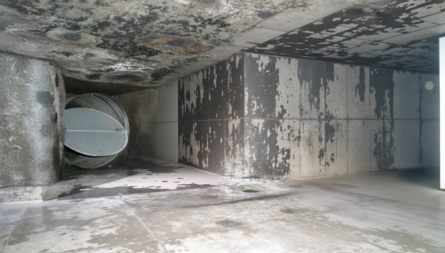
Air Duct Cleaning Services in Rockledge after Flooding: How to Prevent Future Damage
Flooding events in Rockledge and across Brevard County are becoming increasingly common due to heavy rains, hurricanes, and sudden storm systems. While homeowners often focus on visible water damage such as soaked carpets or damaged drywall, one critical area frequently overlooked is the home’s air duct system.
Floodwater and high humidity can contaminate ductwork, leading to moisture buildup, mold growth, and long-term indoor air quality problems. Once ducts become affected, every time the air conditioning system runs, contaminants may circulate throughout the home.
Understanding how air ducts are affected after flooding and how professional cleaning helps prevent future damage is essential for homeowners who want to restore safe living conditions and avoid recurring issues.
How Flooding Affects Air Duct Systems
Most duct systems in Rockledge homes run through attics, crawl spaces, or inside walls. During flooding or major water intrusion, moisture can reach ductwork in several ways.
Flooding can cause:
• Moisture entering crawl spaces and affecting ducts
• Attic humidity saturation after storms
• Floodwater intrusion into lower duct runs
• AC systems pulling humid air into duct systems
• Insulation around ducts becoming soaked
Even if ducts do not directly fill with water, excessive humidity after flooding often leads to condensation forming inside ductwork. That moisture creates the perfect environment for mold and bacteria to grow.
Once contamination occurs, airflow spreads spores throughout the home.
Why Flood-Related Duct Problems Are Common in Rockledge
Homes in Rockledge, Palm Bay, and surrounding communities experience heavy rainfall and hurricane-season storms each year. Flood-prone areas near waterways or low-lying neighborhoods are especially vulnerable.
Several local factors increase duct contamination risk:
• High year-round humidity
• Prolonged AC usage after storms
• Poor attic ventilation trapping moisture
• Older duct insulation materials absorbing water
• Homes with ducts located in crawl spaces
In nearby communities like Merritt Island, Viera, and Cocoa Beach, coastal humidity worsens drying conditions after flooding. Moisture remains trapped longer, allowing mold to develop quickly.
Warning Signs of Contaminated Ductwork
Air duct contamination is rarely visible, but certain symptoms often appear after flooding or water intrusion events.
Homeowners frequently notice:
• Musty or damp odors when AC runs
• Increased dust buildup in the home
• Allergy symptoms worsening indoors
• Visible mold near vents or registers
• Uneven airflow or reduced cooling efficiency
• Persistent humidity inside the home
Because ducts distribute air to every room, contamination spreads quickly once airflow resumes.
Hidden Duct Damage Homeowners Often Miss
Many homeowners assume their home dried properly after flood cleanup, but duct systems often remain damp long after visible surfaces dry.
Common hidden problems include:
• Wet duct insulation inside attics
• Mold growing inside flexible ducts
• Rusting metal duct sections
• Moisture trapped behind vent covers
• Water intrusion in crawl space duct runs
If ducts are not inspected after flooding, mold and bacteria can continue growing unnoticed.
Why DIY Cleaning Usually Fails
Some homeowners attempt to clean vents themselves or spray disinfectants into duct openings. Unfortunately, this approach rarely solves the issue.
DIY cleaning usually fails because:
• Mold often grows deep inside duct lines
• Home tools cannot reach internal contamination
• Improper cleaning spreads spores further
• Moisture sources remain unresolved
• Duct insulation damage goes untreated
Surface cleaning of vents does not address contamination inside the duct system.
Professional Duct Inspection After Flooding
Professional air duct cleaning services begin with a thorough inspection to determine the level of contamination and moisture damage.
Technicians typically examine:
• Duct interiors using inspection cameras
• Insulation condition around ducts
• HVAC air handler components
• Moisture levels in surrounding spaces
• Signs of mold growth or debris buildup
This evaluation ensures proper cleaning and prevents unnecessary duct replacement when cleaning is sufficient.
Step-by-Step Air Duct Cleaning Process
Once contamination is confirmed, professional cleaning follows a structured approach designed to restore airflow safely.
Step 1: System Isolation
Sections of ductwork are sealed to prevent contaminants from spreading during cleaning.
Step 2: High-Powered Vacuum Extraction
Industrial vacuum systems remove debris, moisture residue, and mold particles from duct interiors.
Step 3: Mechanical Agitation Cleaning
Special rotating brushes or compressed air tools loosen contamination stuck inside ducts.
Step 4: HVAC Component Cleaning
Air handlers, coils, and blower components are cleaned to prevent recontamination.
Step 5: Sanitization and Drying
Approved treatments and drying methods help eliminate remaining contaminants and moisture.
Step 6: Final Inspection
Airflow and cleanliness are verified before the system is fully restored.
Connection Between Flood Restoration and Duct Cleaning
Flood restoration projects often focus on floors, drywall, and visible structural damage. However, if duct systems remain contaminated, moisture and mold issues often return.
Comprehensive water damage repair may include:
• Water removal and structural drying
• Mold remediation in walls or insulation
• Carpet and flooring restoration
• Air duct cleaning and sanitization
Properly addressing all moisture-affected areas prevents repeated indoor air quality problems.
AC Systems and Mold Spread Through Ducts
After flooding, AC systems often run heavily to dry indoor spaces. Unfortunately, this can spread contaminants if ductwork is compromised.
Signs your HVAC system may be spreading contamination include:
• Odors appearing when cooling begins
• Dust accumulation near vents
• Increased respiratory irritation indoors
• Persistent humidity problems
Cleaning ducts and correcting moisture sources restores clean airflow.
Preventing Future Duct Damage After Flooding
Homeowners in Rockledge can take several steps to reduce the risk of future duct contamination after storms or floods.
Preventive measures include:
• Inspecting ducts after major flooding events
• Ensuring crawl spaces remain dry and sealed
• Improving attic ventilation
• Scheduling HVAC maintenance annually
• Installing dehumidifiers where needed
• Repairing insulation damaged by moisture
• Monitoring indoor humidity levels
Early inspections help identify problems before mold spreads throughout the home.
Why Local Experience Matters for Flood Recovery
Every region experiences flooding differently, and local construction styles affect how moisture spreads through homes.
Professionals familiar with Rockledge and surrounding Brevard County communities understand how storm patterns, humidity, and local building designs impact duct systems.
Homeowners often rely on experienced local providers like Palm Bay Mold Removal because familiarity with Florida moisture challenges allows accurate inspections and long-term solutions.
Local knowledge ensures that remediation focuses on preventing recurring problems rather than temporary fixes.
Protecting Your Home After Flooding
Flood damage recovery does not end once floors and walls dry. Hidden moisture inside duct systems can continue affecting indoor air quality and structural materials long after visible repairs are complete.
If your home experienced flooding or heavy storm intrusion, scheduling an air duct inspection helps ensure your HVAC system is not circulating contaminants. Professional cleaning restores airflow quality and reduces future mold risks.
Taking action early protects both your home’s structure and the comfort of everyone living inside, keeping Rockledge homes safe, clean, and resilient against future storms.