
How Mold Remediation Helps Homes in West Melbourne after Roof Leaks
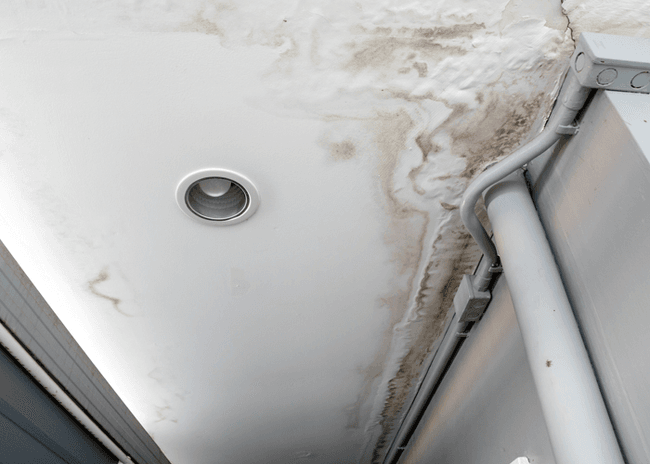
West Melbourne, Florida, is a thriving community known for its residential neighborhoods, proximity to the coast, and tropical climate. While the area’s warm and humid weather is ideal for outdoor living, it also makes homes particularly vulnerable to roof leaks and mold growth. Water intrusion from damaged or aging roofs can quickly lead to hidden mold problems, affecting structural integrity, indoor air quality, and health.
Mold remediation is an essential process for homeowners in West Melbourne to address water damage, prevent long-term problems, and restore homes to safe and healthy conditions. This guide provides a detailed explanation of how mold develops after roof leaks, the steps of professional remediation, and strategies for prevention.
Why Roof Leaks Lead to Mold
Roof leaks create moisture-prone environments inside homes, providing ideal conditions for mold growth. Mold spores are naturally present in the air, but they require moisture, warmth, and organic material to grow. Roof leaks satisfy these conditions by introducing water into the following areas:
- Attics and Ceilings – Water can seep through roofing materials, saturating insulation, wood beams, and drywall.
- Walls – Water infiltration can create damp walls, encouraging hidden mold growth within wall cavities.
- Floors and Subfloors – Water may accumulate in flooring or crawl spaces, particularly after prolonged leaks.
- HVAC Systems – Condensation and leaks near vents and ductwork can allow mold spores to spread throughout the home.
Left untreated, mold can begin developing within 24–48 hours after water intrusion. Over time, it can cause structural damage, health problems, and costly repairs.
Common Types of Mold Found After Roof Leaks
- Cladosporium – Often found on wood, drywall, and carpeting; it can trigger allergies and respiratory irritation.
- Aspergillus – Common indoors; some species can produce toxins harmful to immunocompromised individuals.
- Penicillium – Frequently grows on damp insulation and ceilings; can cause allergic reactions.
- Stachybotrys (Black Mold) – Appears on wet cellulose-rich materials; associated with more severe health risks.
Understanding the type of mold present helps professionals determine the appropriate remediation and safety protocols.
Signs of Mold After a Roof Leak
Homeowners should look for visible and hidden indicators of mold:
- Musty or earthy odors in attics, bedrooms, or near ceilings
- Water stains or discoloration on ceilings, walls, or flooring
- Peeling paint or wallpaper in areas affected by leaks
- Warped or softened drywall or wood
- Allergic symptoms such as sneezing, coughing, or eye irritation that worsen indoors
Early detection is crucial for effective remediation and to prevent long-term damage.
The Mold Remediation Process
Professional mold remediation is a systematic process designed to safely remove mold and restore the home.
Step 1: Initial Assessment
- Inspect the affected areas, including attics, ceilings, walls, and floors.
- Identify moisture sources and assess the severity of mold growth.
Step 2: Containment
- Seal off affected areas to prevent mold spores from spreading to other parts of the home.
- Use negative air pressure systems and physical barriers for safety.
Step 3: Water Removal and Drying
- Extract standing water from leak-affected areas using pumps and vacuums.
- Deploy industrial fans and dehumidifiers to dry walls, ceilings, insulation, and flooring.
Step 4: Mold Removal
- Remove contaminated materials such as wet drywall, insulation, or carpeting.
- Clean non-porous surfaces with EPA-approved antifungal and antimicrobial solutions.
Step 5: Cleaning and Disinfection
- Treat structural elements, floors, and HVAC components to kill remaining mold spores.
- HEPA-filtered air scrubbers may be used to remove spores from the air.
Step 6: Repair and Restoration
- Replace damaged drywall, insulation, and flooring.
- Repair roof damage to prevent future leaks.
- Restore painted surfaces, ceilings, and trim.
Step 7: Post-Remediation Verification
- Conduct moisture testing and air quality analysis to ensure all mold has been removed.
- Confirm that humidity levels are controlled to prevent recurrence.
Real Cases of Roof-Leak Mold in West Melbourne
Case 1: Attic Mold from Damaged Shingles
- Scenario: Homeowner noticed a musty odor after a heavy rainstorm.
- Findings: Water had entered the attic due to missing shingles, saturating insulation and wooden beams.
- Solution: Emergency water extraction, removal of moldy insulation, treatment of wooden beams, and roof repairs.
- Outcome: Mold eliminated, attic restored, and indoor air quality improved.
Case 2: Ceiling Mold in Living Room
- Scenario: Ceiling discoloration and peeling paint appeared months after minor roof damage.
- Findings: Hidden mold had formed in drywall due to slow water intrusion.
- Solution: Remove affected drywall, clean wooden joists, disinfect surfaces, and replace drywall.
- Outcome: Structural integrity preserved, mold removed, and the homeowner avoided potential health risks.
Case 3: HVAC Mold Contamination
- Scenario: Persistent indoor allergic symptoms were reported by occupants.
- Findings: Mold had grown inside ductwork and on vents due to leaks near the attic HVAC system.
- Solution: Professional duct cleaning, air purification, and repair of the roof leak feeding moisture to the HVAC system.
- Outcome: Air quality restored, health symptoms reduced, and future mold growth prevented.
Benefits of Mold Remediation
- Protects Structural Integrity – Removing mold prevents wood rot, ceiling collapse, and compromised insulation.
- Improves Indoor Air Quality – Eliminates airborne mold spores, reducing allergens and respiratory irritants.
- Preserves Property Value – Homes free of mold are more appealing to buyers and maintain higher resale value.
- Safeguards Health – Reduces exposure to allergens, toxins, and bacteria that can cause health problems.
- Prevents Recurrence – Remediation addresses both mold and underlying moisture issues, ensuring long-term protection.
Preventive Measures After Roof Repairs
1. Routine Roof Maintenance
- Inspect shingles, flashing, and gutters regularly.
- Clear debris and repair minor damage promptly to prevent leaks.
2. Proper Attic Ventilation
- Ensure adequate airflow to reduce humidity and condensation.
3. Humidity Control
- Maintain indoor humidity between 40–55% using dehumidifiers or air conditioning.
4. Monitor for Water Intrusion
- Check ceilings, walls, and attics after heavy rains or storms.
- Address minor leaks before they escalate.
5. Regular Mold Inspections
- Schedule professional inspections, especially in areas prone to leaks or high moisture.
Common Mistakes Homeowners Make
- Ignoring small leaks until mold becomes visible
- Attempting DIY mold removal without addressing the moisture source
- Failing to dry the home completely, leading to recurrent mold
- Delaying roof repairs after identifying leaks
- Neglecting ventilation and humidity control in attics and crawl spaces
Professional Insights
- Speed Matters: Immediate remediation after water intrusion dramatically reduces mold growth and damage.
- Hidden Mold is Common: Even minor leaks can cause mold behind walls, ceilings, or insulation.
- Integrated Solutions Are Best: Combining water removal, mold remediation, and structural repair ensures long-term protection.
- Documentation is Critical: Keep records of inspection, remediation, and repairs for insurance purposes and property resale.
Conclusion
Roof leaks in West Melbourne homes pose a serious risk of water damage and mold growth. Mold remediation is essential for addressing both visible and hidden mold, protecting structural integrity, indoor air quality, and homeowner health.
By understanding the signs of mold, engaging professional remediation services, and implementing preventive measures, homeowners can effectively mitigate damage, prevent future growth, and maintain the value and safety of their homes.
Prompt action, professional intervention, and ongoing monitoring are the keys to protecting West Melbourne homes from the long-term effects of mold caused by roof leaks.