
Warning Signs and Prevention: Indoor Air Quality Improvement in Melbourne After Roof Leaks
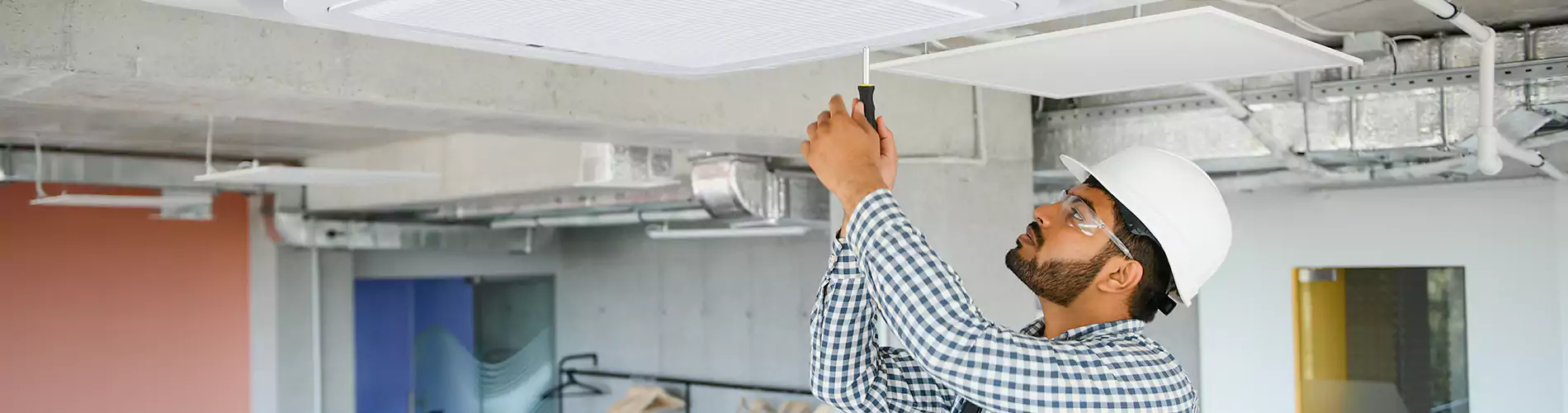
Roof leaks can be one of the most insidious causes of indoor air quality (IAQ) problems in Melbourne homes. Even minor leaks allow water to penetrate ceilings, walls, and attics, creating damp environments that support mold, mildew, and bacteria growth. Over time, these conditions degrade indoor air quality, damage building materials, and may contribute to respiratory issues for occupants.
For homeowners, recognizing warning signs and implementing preventive strategies for indoor air quality improvement is essential. This guide provides a detailed explanation of how roof leaks impact IAQ in Melbourne homes, how to detect early signs, professional mitigation strategies, and steps to prevent future problems.
Understanding Indoor Air Quality Issues After Roof Leaks
Indoor air quality refers to the health and comfort of air inside your home. When roof leaks occur, they introduce moisture that can:
- Foster mold and mildew growth in ceilings, insulation, and ductwork
- Encourage bacteria and allergens to proliferate
- Cause musty odors or persistent damp smells
- Trigger respiratory irritation or allergy symptoms among residents
Unlike visible water damage, IAQ issues from roof leaks can go unnoticed until they become widespread, making early detection and action crucial.
Why Roof Leaks Are a Common IAQ Problem in Melbourne
Several local factors make Melbourne homes especially susceptible to IAQ problems from roof leaks:
- Heavy Rainfall and Storms: Seasonal storms can overwhelm roofs and allow water to penetrate small cracks.
- Aging Roofs: Older shingles, worn flashing, and poorly sealed joints increase the risk of leaks.
- High Humidity: Even minor leaks combined with Melbourne’s humid climate create persistent moisture in attics and ceilings.
- Poor Attic Ventilation: Inadequate airflow allows trapped moisture to accumulate, promoting mold growth.
- HVAC Integration: Leaks can affect ductwork in attics, circulating spores and reducing air quality throughout the home.
These factors highlight the importance of timely inspection and IAQ-focused remediation after roof leaks.
Early Warning Signs of Poor Indoor Air Quality
Homeowners should monitor for early indicators that roof leaks are impacting indoor air quality:
- Persistent musty or moldy odors
- Stains or discoloration on ceilings and walls
- Peeling paint or bubbling wallpaper
- Mold growth around vents, ceilings, or attic spaces
- Increased allergy or respiratory symptoms among family members
- Visible moisture on insulation or ductwork
Recognizing these signs early allows homeowners to take proactive measures before mold or IAQ problems become severe.
Hidden or Overlooked Sources of Contamination
Indoor air quality can be compromised in areas that are difficult to see or access:
- Attics and Roof Voids: Water intrusion can saturate insulation and wood framing.
- HVAC Ducts: Moisture from leaks can enter ductwork, spreading spores throughout the home.
- Ceiling Cavities: Water trapped between ceiling layers can harbor mold growth.
- Wall Cavities: Leaks along roof edges may seep into wall interiors, affecting insulation and drywall.
Professional inspection with moisture meters, thermal imaging, and air quality testing is often necessary to identify hidden contamination.
Why DIY Approaches Often Fail
Homeowners sometimes attempt to address IAQ problems themselves using fans, household cleaners, or visible mold removal. While these methods may provide temporary relief, they often fail to:
- Remove mold from hidden or inaccessible areas
- Fully dry structural components like insulation and ceiling cavities
- Address the root cause of moisture intrusion
- Prevent recurrence of mold or odor issues
Professional solutions ensure comprehensive remediation and restore indoor air quality safely.
Professional Indoor Air Quality Assessment
A structured professional assessment includes:
Step 1: Visual Inspection
- Examine roof penetrations, attic spaces, ceilings, and visible water damage
- Identify potential leak sources and areas of mold or moisture accumulation
Step 2: Air Quality Testing
- Collect air samples to measure mold spores, allergens, and bacteria levels
- Compare indoor and outdoor air to determine contamination severity
Step 3: Moisture Measurement
- Use moisture meters and infrared cameras to locate hidden damp spots
- Identify building materials at risk for mold or decay
Step 4: HVAC Inspection
- Inspect ductwork, filters, and air handlers for moisture or mold contamination
- Ensure proper airflow and detect potential pathways for spore distribution
Steps to Improve Indoor Air Quality
Once assessment is complete, professional mitigation includes:
- Roof Repairs: Seal leaks and replace damaged shingles or flashing to stop water intrusion.
- Drying and Dehumidification: Use industrial air movers and dehumidifiers to remove moisture from attics, ceilings, and ductwork.
- Mold Remediation: Remove or treat contaminated insulation, drywall, or duct components using antimicrobial solutions.
- HVAC Cleaning: Sanitize ductwork, vents, and filters to prevent spore circulation.
- Air Filtration: Upgrade to high-efficiency filters to improve indoor air quality.
- Post-Remediation Testing: Confirm IAQ has returned to safe levels with follow-up air sampling.
Preventive Measures for Melbourne Homeowners
Maintaining IAQ requires proactive care:
- Routine Roof Maintenance: Inspect shingles, flashing, and seals before the rainy season.
- Attic Ventilation: Ensure adequate airflow to prevent moisture accumulation.
- Plumbing Checks: Address leaks promptly to prevent secondary water intrusion.
- Humidity Control: Use dehumidifiers in attics or enclosed areas during humid months.
- Regular HVAC Maintenance: Clean ducts, replace filters, and inspect for moisture or mold.
These measures reduce the risk of indoor air quality problems and prolong the life of building materials.
Costs of IAQ Improvement After Roof Leaks
Costs depend on several factors:
- Extent of water damage and mold contamination
- Size of the home and ductwork system
- Repairs required for roofing, insulation, and drywall
- Air quality testing and HVAC cleaning needs
Professional assessments provide clear estimates, helping homeowners prioritize critical improvements and ensure a healthy home environment.
Why Local Expertise Matters
Melbourne homeowners face unique challenges due to Florida’s coastal climate:
- High humidity and frequent rainfall increase moisture risks
- Older homes may have aging roofs and limited ventilation
- Hidden mold in attics, ducts, and ceiling cavities requires specialized knowledge
Local professionals understand these conditions and provide accurate IAQ assessments, targeted remediation, and prevention strategies tailored to Melbourne homes.
Calm, Trust-Based Call to Action
Roof leaks can silently compromise indoor air quality, promoting mold growth and reducing comfort in Melbourne homes. Professional assessment, remediation, and preventive measures ensure safe, clean air, protect building materials, and prevent recurring problems. Timely intervention preserves your home’s value and maintains a healthy living environment.