
Mold Testing in Cocoa Beach After Plumbing Leaks: Professional Tips for Property Owners
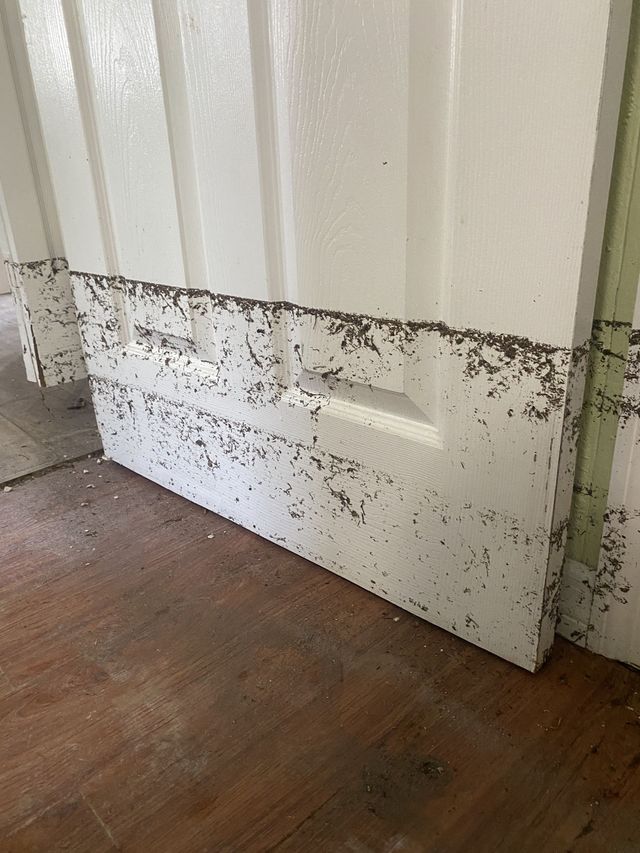
Plumbing leaks are one of the most common causes of hidden moisture and mold growth in Cocoa Beach homes. While a small leak may seem harmless at first, even minor water intrusion can saturate walls, flooring, insulation, and subflooring, creating ideal conditions for mold proliferation. Mold growth not only damages your property but can also affect indoor air quality, leading to musty odors and potential health concerns for residents.
Professional mold testing after plumbing leaks is a critical step for property owners to identify contamination, assess risk, and guide proper remediation. This guide explains the causes, warning signs, testing procedures, and preventive strategies homeowners should know.
Understanding the Problem: Mold After Plumbing Leaks
Mold thrives in moist, dark environments. Plumbing leaks—whether from burst pipes, faulty connections, or slow-drip faucets—can saturate building materials over time. Even small leaks hidden behind walls, under sinks, or beneath flooring can go unnoticed until mold colonies develop.
Common consequences include:
- Musty odors throughout the home
- Discoloration or staining on walls, ceilings, or baseboards
- Warping or softening of wood and drywall
- Compromised indoor air quality
- Potential long-term damage to structural materials
Recognizing the importance of timely mold testing helps homeowners prevent extensive remediation costs.
Why Plumbing Leaks Lead to Mold in Cocoa Beach
Several factors make plumbing leaks particularly concerning for mold growth in Cocoa Beach homes:
- High Humidity: Coastal humidity allows moisture from leaks to persist, even after the water source is fixed.
- Poor Ventilation: Enclosed spaces such as bathrooms, kitchens, and laundry rooms can trap moisture.
- Hidden Water Intrusion: Plumbing often runs behind walls, under floors, or above ceilings, creating concealed wet areas.
- Building Materials: Drywall, insulation, and carpeting are porous, absorbing water quickly and supporting mold growth.
- Slow Leaks: Even minor leaks over weeks or months can create sufficient moisture for mold colonization.
Understanding these factors emphasizes why proactive mold testing is essential for property owners.
Early Warning Signs of Mold
Homeowners should be aware of early indicators that mold may be present after a plumbing leak:
- Persistent musty or earthy odors
- Water stains, bubbling paint, or discoloration on walls and ceilings
- Warping or soft flooring near plumbing fixtures
- Visible mold patches in bathrooms, kitchens, or around sinks
- Unexplained health symptoms like sneezing or allergy flare-ups
Early detection enables targeted testing and faster remediation.
Hidden or Overlooked Mold Sources
Mold often develops in areas that are not immediately visible:
- Wall Cavities: Moisture behind drywall or behind cabinets can harbor hidden mold.
- Crawl Spaces: Leaks from plumbing under the home can saturate insulation and support mold growth.
- Subflooring: Water from leaking pipes can seep beneath floors and create concealed colonies.
- Attics or Ceilings: Water from upper-level plumbing or pipe condensation can infiltrate ceilings.
- HVAC Ducts: Leaks near water supply lines can introduce moisture into air ducts.
Professional mold testing helps identify contamination in these hard-to-reach areas.
Why DIY Mold Testing Usually Falls Short
Homeowners may attempt to identify mold using over-the-counter test kits or visual inspections. While these can indicate surface mold, they often fail to:
- Detect hidden colonies behind walls, under floors, or in HVAC systems
- Quantify mold species or spore concentration accurately
- Determine the moisture source sustaining growth
- Provide a reliable basis for effective remediation
Professional mold testing ensures accurate identification and informs safe, effective cleanup.
Professional Mold Testing Process
Professional mold testing involves a structured approach to assess contamination:
Step 1: Visual Inspection and Moisture Assessment
- Technicians examine the property for visible mold, water stains, and plumbing issues
- Moisture meters and infrared cameras identify hidden damp areas
Step 2: Air Sampling
- Air samples are collected from different areas to measure airborne mold spores
- Comparing indoor and outdoor spore levels helps determine contamination
Step 3: Surface Sampling
- Swabs or tape samples are taken from walls, floors, and HVAC components
- Laboratory analysis identifies mold species and concentration
Step 4: Analysis and Reporting
- Professional reports detail affected areas, mold types, and severity
- Recommendations include targeted remediation, structural repairs, and ventilation improvements
Proper Mold Remediation After Plumbing Leaks
Once mold testing identifies contamination, remediation follows best practices:
- Address the Water Source: Repair leaks or plumbing issues to prevent further moisture accumulation.
- Contain Affected Areas: Use plastic sheeting and negative air pressure to prevent spore spread.
- Remove Damaged Materials: Porous materials such as drywall, insulation, or carpeting may need removal.
- Cleaning and Sanitization: Non-porous surfaces are cleaned with antimicrobial solutions.
- Drying and Dehumidification: Industrial air movers and dehumidifiers ensure materials are completely dry.
- Final Inspection: Confirm mold removal, moisture control, and indoor air quality restoration.
Preventive Measures for Cocoa Beach Homes
Property owners can reduce future mold risks with these steps:
- Regular Plumbing Maintenance: Inspect pipes, connections, and faucets for leaks.
- Proper Ventilation: Use exhaust fans in bathrooms and kitchens, and ensure adequate airflow in enclosed spaces.
- Monitor Humidity Levels: Maintain indoor humidity below 50% using dehumidifiers or AC systems.
- Routine Mold Inspections: Schedule periodic professional checks, especially after water events.
- Prompt Leak Response: Address leaks immediately to minimize water absorption by building materials.
Proactive steps help protect property value and maintain safe indoor air quality.
Costs of Mold Testing
Mold testing costs depend on:
- Size of the home and number of rooms tested
- Type and number of samples (air, surface, or swab)
- Laboratory analysis complexity
- Accessibility of hidden areas such as crawl spaces or attics
Professional testing is an investment that guides safe remediation and prevents larger repair expenses.
Why Local Expertise Matters
Cocoa Beach homes face specific conditions:
- High humidity and coastal weather that encourage mold growth
- Older plumbing systems that may leak over time
- Risk of hidden water intrusion in wall cavities, subfloors, and HVAC ducts
Local mold professionals understand these factors and provide accurate testing, interpretation, and remediation recommendations tailored to Cocoa Beach homes.
Calm, Trust-Based Call to Action
Plumbing leaks can quickly lead to hidden mold contamination in Cocoa Beach homes. Professional mold testing identifies affected areas, ensures accurate species identification, and guides effective remediation. Timely intervention preserves indoor air quality, protects structural integrity, and helps homeowners maintain a safe, comfortable living environment.