
Complete Guide for Homeowners: Air Duct Cleaning in Satellite Beach After Flooding
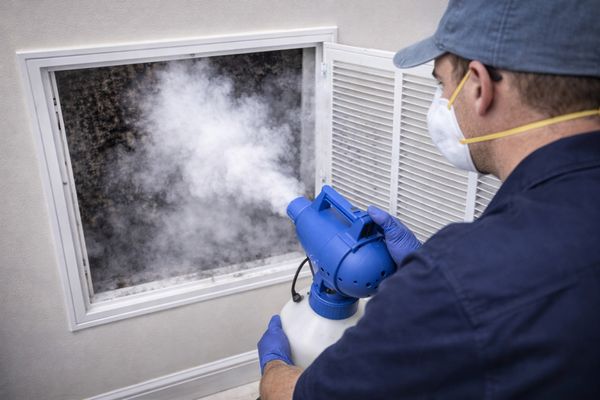
Flooding in Satellite Beach can cause immediate, visible damage, but one area that homeowners often overlook is the air duct system. Floodwaters can infiltrate HVAC systems, allowing moisture to collect in ducts, vents, and coils, creating the perfect environment for mold growth and indoor air contamination. Proper air duct cleaning after a flood is essential to restore indoor air quality, prevent mold proliferation, and protect your home’s HVAC efficiency.
This guide provides a comprehensive, step-by-step explanation of air duct cleaning after flooding in Satellite Beach, including causes, warning signs, professional processes, costs, and preventive strategies.
Understanding the Problem
Air ducts are integral to heating, ventilation, and air conditioning systems, distributing airflow throughout your home. After flooding, these systems can draw in contaminated water or high humidity, leading to:
- Mold growth inside ducts
- Accumulation of debris, silt, or sediment from floodwaters
- Unpleasant odors circulating through the home
- Reduced HVAC efficiency and higher energy costs
Flooding doesn’t just affect carpets or walls; it can silently compromise the very air you breathe.
Why Air Ducts Are Vulnerable in Satellite Beach
Several local factors make air ducts especially vulnerable during floods:
- High Humidity: Satellite Beach’s coastal climate keeps indoor air moisture levels high, which worsens after flooding.
- Storm Surges and Floodwater Intrusion: Homes near low-lying areas or close to the Indian River Lagoon are at higher risk for water entering ducts.
- Older HVAC Systems: Aging units may have leaks, gaps, or corrosion that allow water to penetrate the ductwork.
- Poor Ventilation: Enclosed or poorly maintained ducts can trap humidity and moisture, creating a breeding ground for mold.
Understanding these vulnerabilities helps homeowners prioritize air duct inspection after a flood event.
Early Warning Signs Homeowners Should Watch For
Detecting problems early is crucial to prevent mold and maintain air quality. Signs include:
- Musty or mildew odors coming from vents
- Visible water stains around registers or duct openings
- Reduced airflow from the HVAC system
- Presence of mold, dust, or debris inside vent openings
- Increased allergy or respiratory issues among occupants
Even if flooding appears minor, hidden moisture in ducts can develop into a significant problem over time.
Hidden or Overlooked Areas in Air Duct Systems
Mold and debris often develop in areas that homeowners can’t easily see:
- Main Duct Trunks: Moisture can settle in horizontal ducts or branches running under floors and ceilings.
- Vents and Registers: Water can accumulate near vent openings, especially on lower floors.
- Air Handler Units: Floodwater or humidity can infiltrate blower compartments and coils.
- Flexible Ducts: Collapsible ducts may trap moisture and promote mold growth.
Professional inspection with cameras, moisture meters, and air sampling is often required to detect contamination in these areas.
Why DIY Air Duct Cleaning Usually Fails
Homeowners sometimes attempt to clean ducts using vacuum attachments or household cleaners. While these methods may remove superficial dust, they typically fail to:
- Remove deep-seated mold or microbial contamination
- Access hidden portions of the ductwork
- Properly dry ducts and air handlers
- Restore indoor air quality
Improper cleaning can spread mold spores, worsen air quality, and damage ductwork components.
Professional Air Duct Cleaning Process
Air duct cleaning after flooding involves a thorough, multi-step approach to ensure safe and effective remediation:
Step 1: Inspection and Assessment
- Technicians examine ductwork using cameras or scopes to identify moisture, debris, and mold.
- Moisture readings determine areas requiring immediate drying.
- HVAC components such as coils, filters, and air handlers are checked for contamination.
Step 2: Containment
- Affected areas may be isolated to prevent the spread of dust and mold spores.
- Negative air pressure and HEPA filtration equipment may be deployed during cleaning.
Step 3: Water Extraction and Drying
- Standing water or accumulated moisture in ducts is removed using specialized extraction tools.
- Industrial-grade air movers and dehumidifiers thoroughly dry the duct system and surrounding areas.
Step 4: Cleaning and Sanitization
- Brushes, vacuums, and antimicrobial treatments are used to remove mold, sediment, and debris from ducts.
- Registers, grills, and accessible HVAC components are disinfected and sanitized.
- Air filtration systems may be replaced or cleaned to prevent post-restoration contamination.
Step 5: Final Inspection
- Technicians verify that ducts are clean, dry, and free of mold or odors.
- Airflow is tested to ensure HVAC efficiency is restored.
Costs of Air Duct Cleaning After Flooding
Air duct cleaning costs vary depending on:
- The size and layout of the home’s duct system
- Severity of contamination, including mold or silt buildup
- Accessibility of ductwork, especially in attics or crawl spaces
- Additional HVAC components needing repair or replacement
Professional assessments provide accurate estimates, helping homeowners prioritize critical cleaning and restoration.
Preventive Measures for Satellite Beach Homes
Preventive measures reduce future air duct contamination during storms or flooding:
- Regular HVAC Maintenance: Inspect and service air handlers, filters, and condensation lines before rainy season.
- Install Flood Barriers: Seal vents and access points in lower floors prone to flooding.
- Moisture Control: Use dehumidifiers in attics and crawl spaces to reduce humidity levels.
- Routine Duct Inspections: Monitor ducts for early signs of moisture or mold growth.
- Air Filtration Upgrades: High-quality filters reduce dust and microbial contamination in ducts.
Taking proactive measures preserves indoor air quality and reduces the need for extensive remediation after flooding.
Why Local Expertise Matters
Satellite Beach residents face unique challenges due to Florida’s coastal environment:
- Frequent flooding during storms and heavy rainfall
- High humidity that persists long after water intrusion
- Older homes with ductwork prone to corrosion or gaps
- Risk of hidden mold and air quality problems
Local professionals understand these conditions and provide tailored solutions for thorough air duct cleaning, drying, and prevention.
Calm, Trust-Based Call to Action
Flooding can compromise air ducts and indoor air quality in Satellite Beach homes. Prompt professional inspection, drying, cleaning, and sanitization restore safe airflow, prevent mold proliferation, and protect HVAC efficiency. Partnering with experienced local experts ensures your home remains healthy, resilient, and comfortable even after Florida’s rainy season.