
Satellite Beach Indoor Air Quality Improvement after Flooding: Professional Tips for Property Owners
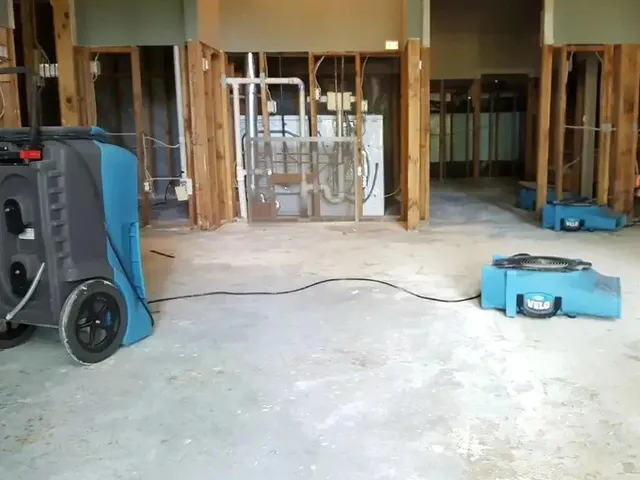
Flooding events in Satellite Beach are an unfortunate reality for many property owners living along Florida’s coast. Heavy seasonal rains, storm surge, and hurricanes often lead to water entering homes and businesses, sometimes in ways that are not immediately obvious. While most people focus on drying floors and repairing visible damage, one critical concern often goes unnoticed — the impact flooding has on indoor air quality.
After floodwater enters a property, moisture can linger in walls, insulation, duct systems, and hidden structural spaces. When not properly addressed, this trapped moisture can lead to mold growth, airborne contaminants, and persistent indoor air problems.
Understanding how indoor air quality is affected after flooding — and how to restore healthy conditions — helps Satellite Beach property owners protect both their buildings and the people living inside them.
Understanding Indoor Air Quality Problems after Flooding
Indoor air quality refers to the cleanliness and safety of the air circulating within a building. After flooding, air quality can quickly deteriorate due to lingering moisture and contamination.
Floodwater often carries dirt, debris, and organic materials into a property. Even after standing water is removed, moisture may remain in:
- Wall cavities
- Flooring materials
- Carpeting and padding
- Insulation
- HVAC ducts
- Crawl spaces
- Attics
- Air conditioning systems
As materials stay damp, mold and bacteria can begin to grow, releasing spores and odors into the air. When the HVAC system runs, these contaminants can spread throughout the entire property.
Without proper restoration, indoor air may remain unhealthy long after visible flood damage appears resolved.
Why Flooding Creates Ongoing Air Quality Problems in Satellite Beach
Satellite Beach homes and businesses face unique challenges due to their coastal location. Nearby communities such as Cocoa Beach, Merritt Island, and Rockledge experience similar problems.
Local conditions that worsen post-flood air quality include:
- High humidity levels year-round
- Storm surge and coastal flooding
- Heavy summer rainfall
- Homes built close to sea level
- Crawl spaces prone to moisture accumulation
- Warm temperatures that accelerate mold growth
- Air conditioning systems running continuously
Even properties that appear dry on the surface may still hold moisture inside walls or attic areas, allowing contamination to develop quietly over time.
Common Signs Property Owners Notice
Indoor air quality issues after flooding often appear gradually rather than immediately.
Property owners frequently notice:
- Persistent musty or damp odors
- Increased indoor humidity
- Mold growth on walls or ceilings
- Allergy irritation indoors
- Dust buildup near vents
- Condensation forming on windows
- Rooms feeling stuffy or uncomfortable
- Discoloration around air vents
Sometimes, tenants or occupants simply report that the home feels “damp” or uncomfortable long after cleanup.
Hidden Areas Where Problems Develop
Many post-flood air quality problems come from areas that are rarely inspected.
Common hidden problem zones include:
- Damp insulation inside walls
- Moist crawl spaces under flooring
- Attic spaces affected by roof leaks
- HVAC duct systems holding moisture
- Wet air handler insulation
- Underneath flooring materials
- Inside closets or storage spaces
Homes that underwent partial repairs after flooding may still have moisture trapped in concealed areas.
Why DIY Cleanup Often Fails to Improve Air Quality
After flooding, many property owners try to solve the problem themselves, especially if damage appears minor.
Typical DIY approaches include:
- Running fans or dehumidifiers briefly
- Cleaning visible mold spots
- Replacing carpet only
- Painting over damaged surfaces
- Using air fresheners to mask odors
While these efforts may help temporarily, they rarely address moisture hidden inside structural materials or duct systems.
If moisture remains, mold and contamination quickly return.
Professional Inspection and Air Quality Evaluation
Professional restoration teams begin by identifying where moisture and contamination remain rather than cleaning randomly.
A proper inspection usually includes:
- Moisture detection inside walls and floors
- HVAC and duct inspection
- Crawl space and attic evaluation
- Humidity level testing
- Identification of mold growth areas
- Airflow and ventilation assessment
This process helps determine exactly what needs drying, cleaning, or removal to restore indoor air quality.
Step-by-Step Indoor Air Quality Restoration Process
Once inspection is complete, restoration follows a structured process.
Step 1: Water and Moisture Removal
Remaining water is extracted, and professional drying equipment removes moisture trapped in materials.
Step 2: Removal of Damaged Materials
Flood-damaged insulation, drywall, or flooring that cannot be salvaged is safely removed.
Step 3: Mold Remediation
Areas showing mold growth are professionally cleaned and treated.
Step 4: Duct and HVAC Cleaning
Air ducts and HVAC components are cleaned to prevent contamination from circulating indoors.
Step 5: Dehumidification and Ventilation Correction
Humidity levels are balanced and airflow issues corrected.
Step 6: Final Air Quality Testing
Air conditions are checked to confirm improvement.
This step-by-step approach ensures contamination does not return after cleanup.
Air Ducts and AC Systems after Flooding
Many air quality problems stem from contaminated HVAC systems after flooding.
Moisture inside ducts or air handlers can lead to:
- Mold spreading through vents
- Persistent odors when AC runs
- Reduced cooling efficiency
- Increased dust circulation
Cleaning or repairing affected HVAC components is often essential to restoring healthy indoor air.
Preventing Future Air Quality Problems
Property owners in Satellite Beach can reduce future problems with preventive steps.
Helpful measures include:
- Scheduling HVAC maintenance annually
- Inspecting properties after storms
- Repairing leaks immediately
- Maintaining proper attic ventilation
- Using dehumidifiers during humid seasons
- Keeping gutters and drainage clear
- Monitoring indoor humidity levels
- Inspecting crawl spaces regularly
Quick action after flooding prevents long-term contamination.
Why Local Experience Matters
Restoration work in coastal Florida differs from work in inland regions due to construction styles and environmental factors.
Professionals familiar with Palm Bay, Satellite Beach, and surrounding Brevard County communities understand:
- Coastal moisture patterns
- Flood-prone construction areas
- Typical ventilation issues
- AC performance challenges in humid climates
Local teams such as Palm Bay Mold Removal regularly work in these environments, allowing them to quickly identify hidden problems and provide solutions suited to local homes.
Local expertise often saves time and prevents repeated issues.
Taking Action after Flooding
Flooding can have lasting effects on a property long after visible water disappears. Addressing indoor air quality early helps protect property value and ensures a comfortable living environment for occupants.
A professional inspection after flooding allows property owners to identify hidden moisture and contamination before problems grow worse. With proper drying, cleaning, and ventilation improvements, homes and businesses in Satellite Beach can return to safe, healthy indoor conditions.
Proactive care and timely restoration help property owners avoid recurring damage and maintain comfortable indoor environments despite Florida’s challenging climate.
Image Prompt 1:
Realistic residential living room in Satellite Beach home showing professional drying and dehumidification equipment operating after flood restoration, clean environment, natural lighting, no people, no text, no logos.
Image Prompt 2:
Residential attic HVAC duct system being professionally cleaned after flooding moisture contamination, visible ductwork and restoration equipment, realistic textures, no people, professional environment.
Image Prompt 3:
Interior room with water-damaged flooring undergoing professional drying and air quality restoration setup in coastal Florida home, natural lighting, realistic environment, no people, no branding.