
Water Damage Restoration in Palm Bay During Rainy Season: Step‑by‑Step Process Explained
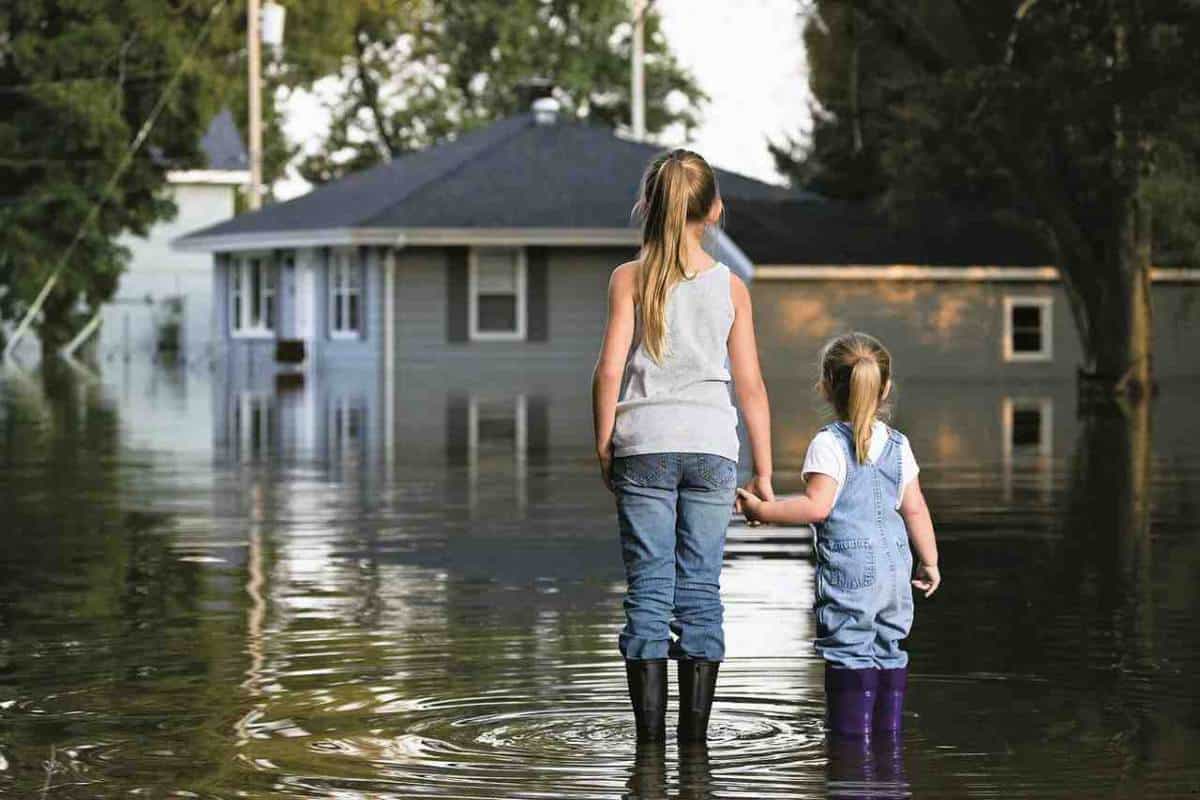
Palm Bay homeowners face unique challenges during the rainy season. Heavy downpours, high humidity, and occasional storms can quickly lead to water intrusion, affecting floors, walls, attics, and basements. Even small leaks or lingering dampness can compromise structural integrity, promote mold growth, and degrade indoor air quality. Understanding the water damage restoration process is essential to protect your home, your investment, and the health of everyone living there.
This article provides a detailed, step-by-step guide to water damage restoration in Palm Bay, covering causes, early signs, professional restoration processes, costs, and preventive strategies.
Understanding Water Damage During Rainy Season
Water damage occurs when rainwater, stormwater, or minor flooding enters the home and saturates building materials. Unlike small leaks, water intrusion during the rainy season can affect multiple areas simultaneously, including hidden spaces, leading to long-term problems if untreated.
Consequences include:
- Buckled, warped, or discolored flooring
- Saturated drywall, insulation, and baseboards
- Mold growth in hidden areas like crawl spaces and attics
- Damaged HVAC systems and ductwork
- Long-term structural weakening
Awareness of these potential outcomes helps homeowners act quickly and prevent costly repairs.
Common Causes of Water Damage in Palm Bay
Palm Bay’s climate and home construction factors make certain properties more vulnerable during the rainy season:
- Heavy Rainfall and Storms: Prolonged rain can overwhelm drainage systems and seep into foundations or low-lying areas.
- Roof Leaks: Aging shingles, damaged flashing, and clogged gutters allow water to penetrate ceilings and walls.
- Plumbing Issues: Burst or leaking pipes, often exacerbated by high humidity, can flood areas quickly.
- AC Condensation and HVAC Leaks: Improperly maintained systems can leak condensation into crawl spaces, attics, or living areas.
- Foundation and Crawl Space Vulnerabilities: Cracks in slabs or poor drainage can let water infiltrate basements or crawl spaces.
Identifying these causes is crucial to prevent recurring water damage.
Early Signs of Water Damage
Homeowners should watch for early indicators, which allow for faster intervention:
- Standing water or damp spots on floors, walls, or ceilings
- Musty odors indicating moisture or mold growth
- Warping, buckling, or bubbling in flooring materials
- Water stains or discoloration on walls or ceilings
- Peeling paint or wallpaper
- Dampness around HVAC systems, crawl spaces, or attics
Quick detection helps minimize structural damage and long-term repair costs.
Hidden or Overlooked Sources of Water
Water often infiltrates areas that are not immediately visible:
- Subflooring: Moisture trapped under carpet or tile can compromise structural integrity.
- Crawl Spaces and Basements: Limited ventilation can hide water and foster mold growth.
- Attics and Roof Voids: Leaks can saturate insulation and roof sheathing before showing indoor signs.
- HVAC Ducts and AC Units: Condensation in ducts can spread moisture throughout the home.
Professional inspections using moisture meters, thermal imaging, and sensors are necessary to detect hidden water.
Why DIY Water Damage Restoration Often Fails
Homeowners sometimes attempt water removal using fans, mops, or wet/dry vacuums. While these methods remove surface water, they usually cannot:
- Extract water from subflooring and structural components
- Prevent mold and microbial growth
- Dry hidden or hard-to-reach areas effectively
- Restore indoor air quality
Without professional tools and expertise, water damage may persist, leading to mold, structural issues, and costly long-term repairs.
Step-by-Step Professional Water Damage Restoration
Professional water damage restoration in Palm Bay follows a structured process:
Step 1: Inspection and Assessment
- Inspect affected areas: floors, walls, attics, and crawl spaces
- Use moisture meters and thermal imaging to identify hidden water
- Determine which materials are salvageable and which need replacement
Step 2: Water Extraction
- Deploy high-capacity pumps and extraction equipment to remove standing water
- Move furniture and rugs as needed to access water-damaged areas
Step 3: Drying and Dehumidification
- Use industrial air movers and dehumidifiers to remove residual moisture
- Monitor moisture levels continuously to ensure all materials, including subflooring and walls, are thoroughly dried
Step 4: Cleaning and Sanitization
- Apply professional antimicrobial treatments to prevent mold and bacteria
- Clean affected surfaces, including flooring, walls, and HVAC components
Step 5: Repairs and Restoration
- Replace damaged drywall, insulation, flooring, and structural components
- Restore affected areas to safe, livable condition
- Perform final inspections to confirm moisture removal and structural integrity
Costs of Water Damage Restoration
Restoration costs vary based on:
- Extent of damage and affected square footage
- Type of flooring, walls, and construction materials
- Presence of mold or microbial contamination
- Accessibility of areas (attics, crawl spaces, multi-story homes)
- Additional repairs required (subflooring, insulation, HVAC systems)
Professional assessments provide accurate estimates, allowing homeowners to prioritize critical areas.
Preventive Measures for Palm Bay Homes
Homeowners can reduce future water damage risk by:
- Roof and Gutter Maintenance: Inspect and repair shingles, flashing, and gutters before rainy season.
- Plumbing Inspections: Check pipes and connections to prevent leaks.
- HVAC Maintenance: Clean ducts, inspect AC units, and ensure proper ventilation.
- Foundation and Crawl Space Protections: Seal cracks and install vapor barriers.
- Routine Home Checks: Monitor attics, crawl spaces, and basements for early signs of moisture.
Taking preventive steps reduces restoration costs and preserves home value.
Why Local Expertise Matters
Palm Bay homes face challenges unique to Florida’s rainy season:
- High rainfall and humidity that accelerate water intrusion
- Older homes with aging roofs, plumbing, and ventilation systems
- Risk of mold growth if water damage is not addressed promptly
Local restoration professionals understand these conditions and provide tailored solutions to remove water, dry affected areas, and prevent future issues.
Calm, Trust-Based Call to Action
Water damage during Palm Bay’s rainy season requires timely, professional intervention. Prompt water extraction, thorough drying, cleaning, and structural repairs prevent mold growth, structural deterioration, and compromised indoor air quality. Partnering with experienced local experts ensures your home remains safe, healthy, and resilient against future storms.