
AC Mold Cleaning in Rockledge from Poor Ventilation: How to Prevent Future Damage
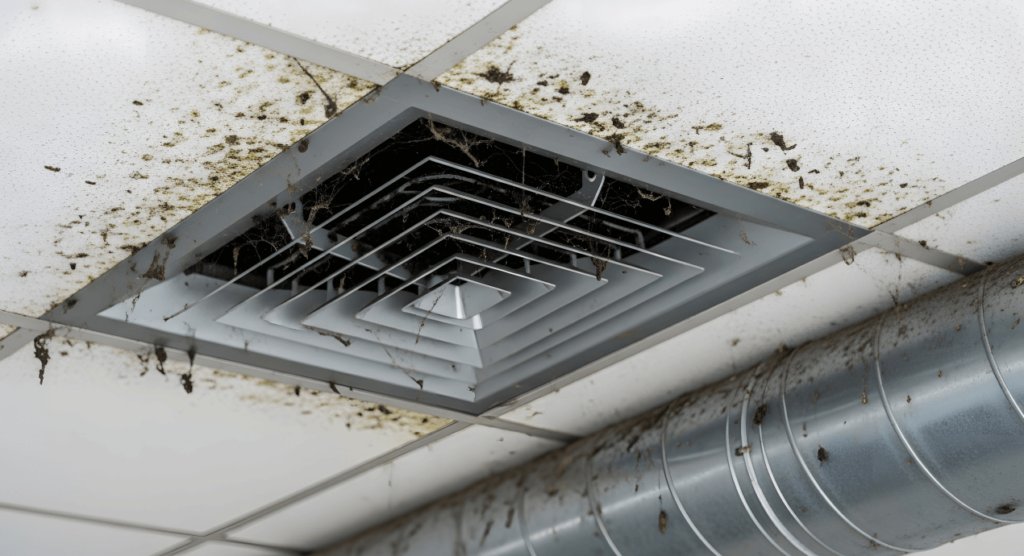
Air conditioning systems are essential for comfort in Rockledge homes, especially during long periods of Florida heat and humidity. However, when ventilation problems develop or moisture control is overlooked, air conditioning systems can become a hidden source of mold growth inside a home.
Many homeowners first notice something is wrong when musty odors appear whenever the AC runs or when allergy symptoms worsen indoors. Often, the underlying cause traces back to mold forming inside the HVAC system due to poor ventilation and trapped moisture.
Understanding how mold develops inside AC systems — and how proper cleaning and prevention work — helps homeowners protect their property and indoor air quality over the long term.
Understanding AC Mold Problems
An air conditioning system works by removing heat and humidity from indoor air. As warm air passes over cooling coils, moisture condenses and drains away through the system’s drainage line.
When ventilation or drainage problems occur, moisture does not leave the system efficiently. Instead, damp surfaces remain inside components such as:
- Evaporator coils
- Drain pans
- Air handlers
- Ductwork
- Insulation surrounding ducts
Dust and organic particles naturally collect inside HVAC systems. When combined with moisture, they create an environment where mold can begin to grow.
Once mold forms, spores may circulate through the duct system and into living spaces.
Why Mold Develops So Often in Rockledge Homes
Homes in Rockledge and nearby communities like Merritt Island, Viera, and Cocoa Beach face unique climate challenges that increase mold risk.
Common contributing factors include:
- High year-round humidity
- Heavy summer rainstorms
- Storm-related water intrusion
- AC systems running continuously for cooling
- Poor attic ventilation
- Older homes with aging duct insulation
- Crawl spaces with moisture buildup
In many Brevard County homes, poor ventilation compounds the problem. When air cannot circulate properly, humidity becomes trapped, creating conditions mold thrives in.
Signs Homeowners Usually Notice
Mold growth inside AC systems is not always visible, but warning signs often appear over time.
Homeowners commonly report:
- Musty smells when AC starts
- Increased dust accumulation indoors
- Allergy or respiratory irritation inside the home
- Condensation forming on vents
- Uneven cooling between rooms
- Damp or stained areas near vents or ceilings
- Frequent AC cycling or airflow issues
Sometimes the issue remains hidden until professional inspection reveals contamination within the system.
Hidden Ventilation Problems That Cause Mold
Ventilation issues are not always obvious. Several hidden problems can allow moisture to remain trapped.
Common causes include:
- Blocked or clogged AC drain lines
- Dirty evaporator coils
- Improperly sized AC units
- Closed or blocked vents
- Poor attic airflow
- Duct leaks pulling in humid attic air
- Insufficient return air circulation
Homes with renovations or room additions sometimes experience airflow imbalances, increasing moisture accumulation in certain areas.
Why DIY Cleaning Usually Fails
When mold odors appear, many homeowners attempt to clean vents or spray household disinfectants into the system. Unfortunately, these efforts rarely fix the underlying issue.
Common DIY approaches include:
- Cleaning visible vent covers only
- Using household sprays inside ducts
- Running fans to dry areas
- Replacing filters without addressing moisture
These solutions may temporarily reduce odor but do not eliminate mold hidden deeper in the system.
Improper cleaning can also spread spores or damage system components.
Professional Inspection and Testing Explained
Professional AC mold cleaning begins with a detailed inspection rather than immediate cleaning.
Technicians typically examine:
- Air handler units
- Drain pans and drain lines
- Coil condition
- Duct system integrity
- Insulation condition
- Humidity levels
- Ventilation efficiency
Moisture detection tools help identify damp areas inside ducts or equipment. Testing may also confirm mold presence before remediation begins.
Step-by-Step AC Mold Cleaning Process
Once mold contamination is confirmed, professionals follow a structured cleaning process.
Step 1: Correct the Moisture Source
Drain lines, ventilation problems, or leaks must be fixed first to prevent recurrence.
Step 2: System Shutdown
The HVAC system is temporarily turned off to prevent spreading spores during cleaning.
Step 3: Containment Setup
Areas may be isolated to keep contaminants from spreading throughout the home.
Step 4: Component Cleaning
Air handlers, coils, drain pans, and internal components are carefully cleaned using specialized equipment.
Step 5: Duct Cleaning
Vacuum extraction and agitation tools remove contaminated debris inside ducts.
Step 6: Safe Sanitization
If necessary, antimicrobial treatments are applied to prevent mold regrowth.
Step 7: Airflow and System Testing
The system is restarted and checked to ensure proper airflow and moisture control.
Handling Related Water Damage Issues
Mold inside AC systems often connects to broader moisture issues within the home.
Restoration teams may also address:
- Water-damaged insulation
- Damp attic spaces
- Crawl space moisture
- Water-damaged ceilings or walls
- Flood restoration needs
- Structural drying
Ignoring surrounding moisture problems allows mold to return even after cleaning.
Preventing Future Mold Growth
Prevention focuses on moisture control and system maintenance.
Homeowners in Rockledge can reduce future risks by:
- Scheduling regular AC maintenance
- Cleaning drain lines annually
- Replacing air filters regularly
- Ensuring attic ventilation is adequate
- Sealing duct leaks
- Using dehumidifiers in humid seasons
- Repairing leaks promptly
- Keeping vents unobstructed
- Monitoring indoor humidity levels
Routine inspections after storms or heavy rains also help catch issues early.
AC Systems and Indoor Air Quality
When AC systems operate properly, they help maintain healthy indoor conditions. When moisture problems develop, they can contribute to poor air quality.
Contaminated ducts or coils may circulate unpleasant odors and particles throughout the home. Cleaning and correcting ventilation restores system efficiency and improves comfort.
This is especially important in humid coastal communities where systems run frequently.
Why Local Experience Makes a Difference
Every Florida community experiences moisture differently based on construction styles and local climate conditions.
Professionals familiar with Rockledge and nearby areas understand:
- How coastal humidity affects ventilation
- Typical construction patterns in Brevard County
- Common storm-related moisture issues
- AC system challenges in older and newer homes
Local companies such as Palm Bay Mold Removal work regularly within these conditions, allowing them to identify hidden issues quickly and recommend effective solutions without unnecessary disruption.
Taking Action for Long-Term Protection
If your Rockledge home has developed musty odors, humidity concerns, or ventilation problems, an inspection of the AC system may help prevent long-term damage.
Addressing mold growth early protects both your property and indoor comfort. With proper cleaning and preventive measures, homeowners can maintain healthier indoor environments and reduce the risk of future contamination.
A professional evaluation ensures ventilation, moisture control, and AC performance are properly restored so your home remains comfortable through Florida’s demanding climate conditions.
Image Prompt 1:
Realistic residential HVAC air handler and evaporator coil area in attic showing mold cleaning equipment and cleaned AC components after ventilation-related moisture problem, natural lighting, no people, no logos, clean professional environment.
Image Prompt 2:
Interior home air duct system being professionally cleaned after mold contamination caused by poor ventilation, visible ductwork and cleaning equipment, realistic residential setting, no people, no branding, professional appearance.
Image Prompt 3:
Residential ceiling air vent and surrounding duct system showing restoration after moisture damage with drying equipment nearby, natural home lighting, realistic textures, no people, no text, professional service website quality.