
Emergency Water Removal in Cocoa Beach in Residential Homes: What Homeowners Should Know
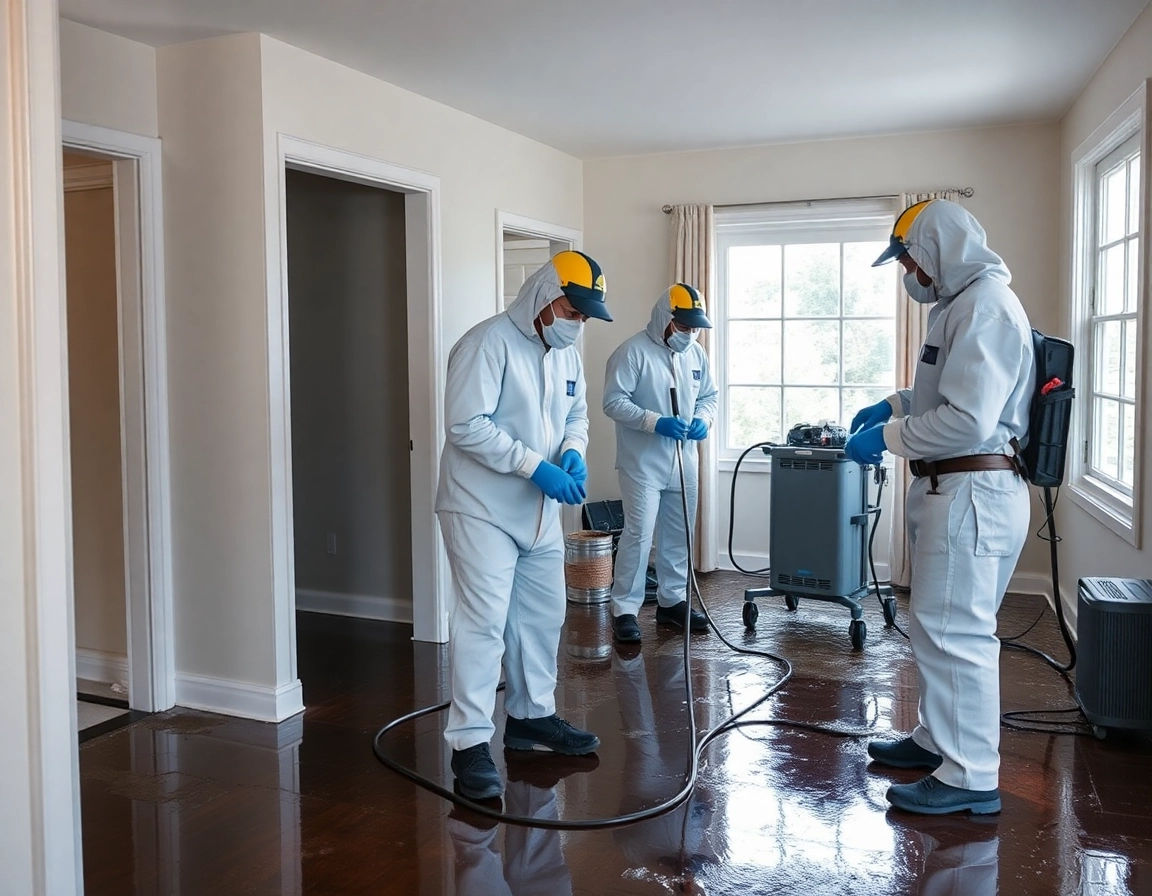
Water intrusion inside a home is one of the most urgent problems homeowners in Cocoa Beach can face. Whether caused by hurricanes, heavy rain, plumbing failures, or appliance leaks, water damage can spread quickly and create serious structural and indoor air quality problems if not addressed immediately.
Emergency water removal services are designed to remove standing water fast and begin the drying process before moisture spreads further into walls, floors, and insulation. Understanding how emergency water removal works and what homeowners should expect can help reduce damage, control repair costs, and restore safe living conditions as quickly as possible.
Homes throughout nearby Brevard County communities such as Satellite Beach, Merritt Island, Melbourne, Palm Bay, Rockledge, Titusville, and Viera face similar risks due to Florida’s humid coastal climate and frequent storms.
How Water Damage Happens in Cocoa Beach Homes
Water intrusion can occur in many ways, often when homeowners least expect it. Storm season in Cocoa Beach regularly brings heavy rainfall and wind-driven moisture that can enter homes through vulnerable points.
Common causes of emergency water damage include:
- Hurricane or storm flooding
- Roof leaks during heavy rain
- Broken or burst plumbing lines
- Overflowing appliances such as washing machines
- Water heater failures
- Drainage backups
- AC condensation system failures
Once water enters the home, it can spread rapidly into flooring, drywall, and structural materials.
Why Immediate Water Removal Is Critical
Water damage worsens with time. Within hours, water begins soaking into materials that are difficult to dry completely. Within days, mold growth may begin if moisture remains trapped.
Immediate water removal helps prevent:
- Mold growth
- Warped flooring
- Structural wood damage
- Insulation saturation
- Persistent odors
- Indoor air quality problems
- Increased repair costs
The sooner water is removed, the more materials can often be saved.
Early Signs Emergency Water Removal Is Needed
Sometimes water damage is obvious, but in other cases homeowners notice early warning signs before realizing how much water has spread.
Common signs include:
- Standing water inside rooms
- Wet carpets or flooring
- Ceiling stains or dripping water
- Damp walls or baseboards
- Musty or damp odors
- Warped flooring
- Increased indoor humidity
- Visible mold beginning to form
Homeowners should act quickly even if water appears minor.
How Water Spreads Inside Homes
Water rarely stays contained in one place. Once it enters a home, it often spreads into hidden areas.
Moisture commonly travels into:
- Carpet and padding
- Subflooring beneath floors
- Wall cavities
- Ceiling spaces
- Insulation
- HVAC duct systems
- Cabinets and built-in furniture
Because moisture spreads unpredictably, professional equipment is often needed to locate and dry hidden areas.
Why DIY Water Removal Often Falls Short
Homeowners sometimes attempt cleanup themselves using household tools or small wet vacuums. While these methods may remove visible water, deeper moisture usually remains.
DIY cleanup often fails because:
- Carpet padding stays wet
- Subfloors remain saturated
- Walls and insulation hold moisture
- Household fans lack drying power
- Moisture meters are not used
- Hidden water damage goes untreated
Incomplete drying often leads to mold growth later.
How Professional Emergency Water Removal Works
Professional water removal services follow a structured process to restore homes safely and efficiently.
The emergency removal process usually includes:
Step 1: Immediate Inspection and Damage Assessment
Technicians inspect the home to determine how far water has spread and what materials are affected.
Step 2: Emergency Water Extraction
High-powered pumps and extraction equipment remove standing water quickly.
Step 3: Moisture Detection
Specialized moisture meters and thermal imaging help locate hidden water inside walls and floors.
Step 4: Structural Drying
Industrial air movers and dehumidifiers dry carpets, walls, and structural materials.
Step 5: Cleaning and Sanitization
Affected areas are cleaned to prevent odors and contamination.
Step 6: Final Moisture Verification
Technicians confirm materials are fully dry before repairs begin.
Professionals familiar with Cocoa Beach homes understand how coastal humidity affects drying times.
Palm Bay Mold Removal frequently assists homeowners throughout Brevard County with emergency water removal and restoration services.
Mold Risks After Water Damage
Mold growth is one of the biggest concerns after water intrusion. Mold can begin developing within days if moisture remains.
Mold commonly grows:
- Behind drywall
- Beneath carpets
- Inside insulation
- Around HVAC systems
- Inside crawl spaces
Professional inspections may be recommended after water damage to ensure mold has not started growing.
HVAC Systems and Water Damage
Water intrusion sometimes affects HVAC systems, especially when flooding or leaks occur near air handlers or ducts.
Signs HVAC systems may be affected include:
- Musty odors when AC runs
- Excess dust or debris near vents
- Persistent humidity indoors
- Uneven airflow between rooms
Air duct inspection and cleaning may be necessary after water exposure.
Preventing Future Water Damage
While storms and plumbing failures cannot always be prevented, homeowners can reduce risks with maintenance and preparation.
Helpful prevention steps include:
- Inspect roofs and gutters regularly
- Maintain plumbing systems
- Replace aging appliance hoses
- Ensure proper drainage around homes
- Install leak detection devices
- Schedule inspections after storms
- Address small leaks immediately
Quick action reduces damage when water intrusion occurs.
Why Local Experience Matters
Homes in Cocoa Beach and surrounding coastal communities face environmental challenges unique to Florida. Restoration methods must consider humidity, storms, and local construction patterns.
Professionals familiar with Brevard County homes understand how water behaves locally and can recommend practical long-term solutions.
Palm Bay Mold Removal regularly works with homeowners across Cocoa Beach and nearby communities using restoration practices suited to Florida’s climate.
A Smart Next Step for Homeowners
If your home experiences flooding or unexpected water intrusion, scheduling emergency water removal services quickly helps prevent larger repair expenses.
Fast action protects structural materials, reduces mold risks, and restores comfortable living conditions sooner. Addressing water damage promptly allows Cocoa Beach homeowners to keep their homes safe, dry, and ready for recovery after unexpected water events.