
Mold Inspection in Cocoa Beach after Plumbing Leaks: Early Signs You Should Not Ignore
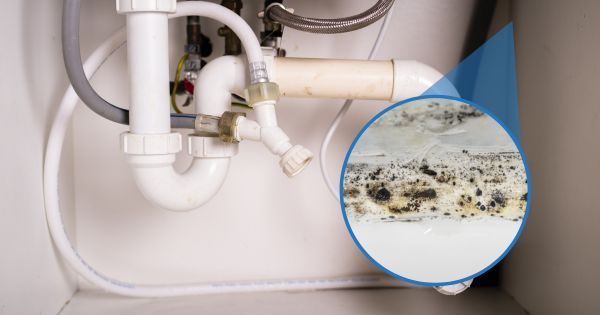
Plumbing leaks are one of the most common causes of hidden mold problems in Cocoa Beach homes. While some leaks are obvious, many occur slowly behind walls, beneath floors, or inside cabinets where moisture can remain unnoticed for weeks or months. By the time visible damage appears, mold may already be developing in concealed areas.
Because Cocoa Beach homes are exposed to coastal humidity year-round, moisture from plumbing leaks often dries slowly. Mold inspection services help homeowners identify contamination early, allowing repairs and remediation to happen before damage spreads further.
Understanding early warning signs and how mold inspections work helps homeowners protect their homes after plumbing leaks occur.
Homes throughout nearby Brevard County communities such as Satellite Beach, Merritt Island, Melbourne, Palm Bay, Rockledge, Titusville, and Viera face similar moisture challenges due to Florida’s climate.
How Plumbing Leaks Lead to Mold Growth
Plumbing leaks rarely remain isolated to one spot. Water can travel along framing, insulation, or flooring materials before appearing as stains or odors.
Common plumbing leak sources include:
- Pipe joints inside walls
- Aging supply lines
- Shower and tub plumbing failures
- Under-sink leaks in kitchens or bathrooms
- Appliance hose failures
- Water heater leaks
- Slab leaks beneath foundations
When moisture remains trapped inside materials, mold spores naturally present in the environment begin growing on damp surfaces.
Why Mold Problems Develop Quickly in Cocoa Beach Homes
Cocoa Beach’s coastal environment makes drying difficult after leaks occur. High humidity allows moisture to remain in building materials longer than in drier climates.
Several local factors increase mold risks:
- Constant coastal humidity
- Salt air accelerating plumbing corrosion
- Older plumbing systems in many homes
- Slab foundations trapping moisture
- Limited ventilation in some home designs
Even slow leaks can create ideal mold conditions when moisture is not addressed quickly.
Early Warning Signs Homeowners Should Notice
Mold often begins hidden, but homeowners usually notice warning signs before severe damage develops.
Common early signs include:
- Persistent musty odors
- Damp or humid indoor air
- Bubbling or peeling paint
- Dark stains on walls or ceilings
- Warped cabinets or flooring
- Mold spots appearing near plumbing areas
- Unexpected increases in water bills
- Allergy-like irritation indoors
These signs often develop gradually and may seem minor at first.
Hidden Areas Mold Often Develops
Professional inspections frequently reveal mold growth in areas homeowners rarely inspect.
Common hidden mold locations include:
- Behind bathroom or kitchen walls
- Beneath flooring near appliances
- Inside ceiling cavities
- Around HVAC systems exposed to leaks
- Beneath cabinets or vanities
- Inside crawl spaces or slab areas
Because moisture spreads unpredictably, contamination may exist far from visible leak points.
Why DIY Cleanup Often Misses Mold Problems
Homeowners sometimes clean visible mold or dry surfaces after leaks, assuming the problem is resolved. However, mold often continues growing behind surfaces.
DIY cleanup usually fails because:
- Moisture remains inside walls or insulation
- Mold colonies exist behind surfaces
- Cleaning spreads spores
- Leak sources remain unresolved
- Hidden contamination goes untreated
Professional inspection ensures mold and moisture problems are fully addressed.
How Professional Mold Inspection Works
Professional mold inspection combines experience and specialized tools to identify contamination accurately.
A typical inspection includes:
- Moisture meter testing of walls and floors
- Thermal imaging scans to locate hidden dampness
- Inspection of attic and crawl spaces
- HVAC and ductwork evaluation
- Leak detection checks
- Air sampling to measure mold spore levels
- Surface sampling when visible growth exists
Testing helps determine whether mold contamination is localized or affecting indoor air quality.
Professionals familiar with Cocoa Beach homes understand how plumbing leaks typically spread moisture in local construction styles.
Palm Bay Mold Removal frequently assists homeowners throughout Brevard County by locating hidden mold risks after plumbing leaks.
Mold Removal and Remediation After Inspection
When inspections confirm mold growth, remediation focuses on removing contamination and correcting moisture problems.
Typical remediation steps include:
- Containment of affected areas
- Air filtration to reduce airborne spores
- Removal of contaminated materials when necessary
- Cleaning and antimicrobial treatment
- Structural drying and dehumidification
- Repair of plumbing leak sources
- Final moisture verification
Addressing moisture sources prevents mold from returning.
Water Damage Restoration After Plumbing Leaks
Severe plumbing leaks often require full water damage restoration.
Restoration services typically include:
- Water extraction
- Structural drying
- Wall and insulation drying
- Odor control processes
- Repair or replacement of damaged materials
Quick restoration reduces mold risks and repair costs.
HVAC Systems and Mold Spread
Plumbing leaks sometimes affect HVAC systems if moisture spreads into ducts or air handlers.
Signs HVAC systems may be involved include:
- Musty smells when AC runs
- Excess dust near vents
- Persistent humidity indoors
- Uneven cooling
Air duct inspection and cleaning may be necessary when moisture spreads through HVAC systems.
Preventing Mold After Plumbing Leaks
Homeowners can reduce mold risks through preventive maintenance.
Helpful prevention strategies include:
- Inspect plumbing connections regularly
- Replace aging supply lines
- Monitor water bills for unexpected increases
- Maintain water heaters and appliances
- Address leaks immediately
- Schedule moisture inspections after leaks
Fast action prevents small problems from becoming major repairs.
Why Local Experience Matters
Homes in Cocoa Beach and surrounding coastal communities face environmental conditions unique to Florida. Mold inspection and restoration solutions must account for humidity, storms, and local construction patterns.
Professionals familiar with Brevard County homes understand how moisture behaves locally and can recommend practical solutions suited to regional conditions.
Palm Bay Mold Removal regularly works with homeowners across Cocoa Beach and nearby communities, providing inspection and remediation services tailored to Florida’s climate.
A Smart Next Step for Homeowners
If you suspect a plumbing leak or notice warning signs of hidden moisture, scheduling professional mold inspection services helps prevent costly damage later.
Early detection protects structural materials, improves indoor comfort, and reduces mold risks. Acting quickly allows Cocoa Beach homeowners to maintain healthier living environments after plumbing leaks occur.