
Satellite Beach Mold Remediation in Commercial Buildings: What Homeowners Should Know
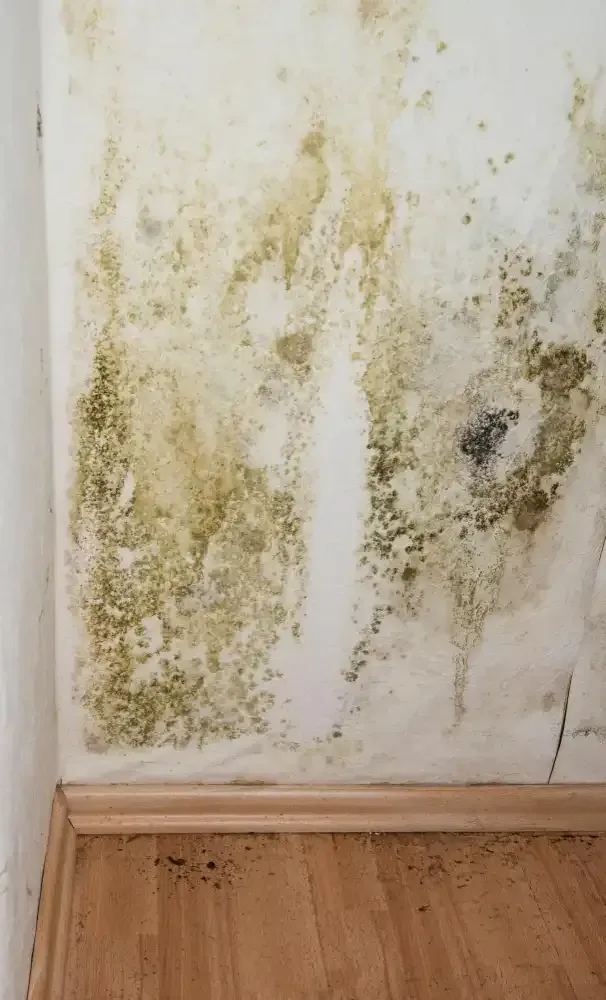
Mold problems are not limited to houses. In Satellite Beach, commercial buildings frequently experience moisture and mold challenges due to coastal humidity, storms, and water intrusion events. Many local homeowners also own or manage rental offices, retail spaces, or mixed-use properties, making commercial mold remediation an important topic for property protection.
Mold growth inside commercial buildings can affect indoor air quality, damage building materials, disrupt tenant operations, and lead to costly repairs if not addressed quickly. Understanding how mold remediation works and how to prevent future moisture problems helps property owners protect both investments and occupants.
Throughout Satellite Beach and nearby Brevard County communities such as Cocoa Beach, Melbourne, Palm Bay, Merritt Island, Rockledge, Titusville, and Viera, commercial properties face similar moisture risks influenced by Florida’s climate.
How Mold Problems Develop in Commercial Buildings
Commercial buildings often have larger floor areas, more complex HVAC systems, and heavier occupancy than residential homes. When moisture enters these buildings, mold can spread rapidly if conditions remain damp.
Common causes of mold growth in commercial properties include:
- Roof leaks during storms or hurricanes
- Flooding from heavy rain or storm surge
- Plumbing leaks in restrooms or kitchens
- HVAC condensation issues
- Poor ventilation in storage or utility rooms
- High indoor humidity levels
Even small water events can lead to mold growth when moisture becomes trapped behind walls or under flooring.
Why Satellite Beach Commercial Buildings Face Higher Risks
Satellite Beach properties sit directly along Florida’s coastline, making them vulnerable to moisture exposure throughout the year. Commercial buildings often experience additional challenges because they serve multiple occupants and operate continuously.
Factors that increase mold risks include:
- Coastal humidity slowing indoor drying
- Storm-driven rain entering buildings
- Salt air affecting building materials
- High HVAC system usage
- Buildings remaining closed after storms
- Drainage systems overwhelmed during heavy rainfall
Properties near the ocean experience especially high moisture exposure, making mold prevention essential.
Early Warning Signs Property Owners Should Watch For
Mold problems often begin hidden, but warning signs typically appear before contamination becomes severe.
Common signs include:
- Persistent musty odors in certain areas
- Damp or sticky indoor air
- Visible mold spots near vents or ceilings
- Ceiling or wall discoloration
- Peeling paint or warped drywall
- Increased tenant complaints about air quality
- Recurring moisture problems in restrooms or kitchens
- Condensation forming on windows or ducts
Commercial tenants may report discomfort or odors before mold becomes visible.
Hidden Mold Sources in Commercial Buildings
Mold growth frequently develops in areas building occupants rarely see.
Professional inspections often uncover mold in:
- Wall cavities affected by leaks
- Beneath carpets or flooring
- Inside attic insulation
- HVAC ducts and air handlers
- Utility rooms with poor ventilation
- Crawl spaces or mechanical areas
- Behind cabinets or built-in fixtures
Because moisture spreads unpredictably, contamination may extend far beyond visible damage.
Why DIY Mold Cleanup Is Risky in Commercial Properties
Some property managers attempt to clean visible mold using maintenance staff or cleaning products. While this may temporarily improve appearance, mold usually returns when moisture problems remain unresolved.
DIY cleanup often fails because:
- Mold remains behind surfaces
- Moisture sources are not corrected
- Spores spread during improper cleaning
- Wet materials remain in place
- Air quality issues continue
Improper cleanup may also disrupt tenants or expose workers to contamination.
Professional remediation ensures safe removal while minimizing disruption.
How Professional Mold Inspection and Testing Works
Before remediation begins, professionals inspect the building to determine how far mold has spread and what caused it.
A proper inspection typically includes:
- Moisture meter testing of walls and floors
- Thermal imaging scans to detect hidden damp areas
- Inspection of attic or roof structures
- HVAC and ductwork evaluation
- Leak detection checks
- Air or surface sampling if contamination is suspected
Testing helps determine whether contamination is localized or affecting indoor air quality throughout the building.
Professionals experienced with Satellite Beach properties understand common coastal moisture patterns and know where mold often develops.
Palm Bay Mold Removal frequently assists property owners across Brevard County by locating hidden mold risks in commercial buildings before damage worsens.
Commercial Mold Remediation Process Explained
Professional mold remediation follows a structured process designed to remove contamination safely and prevent spread.
Typical remediation steps include:
- Containment of affected areas
- Use of HEPA air filtration equipment
- Removal of contaminated materials when necessary
- Cleaning and antimicrobial treatment
- Structural drying and dehumidification
- Correction of moisture entry points
- Post-remediation moisture verification
This ensures mold does not return after cleanup.
Commercial remediation often requires scheduling work to minimize disruption to tenants or business operations.
Flood Restoration and Water Damage Repair
Mold problems frequently follow flooding or storm-related water intrusion. Restoration services often work alongside mold remediation.
Flood restoration commonly includes:
- Water extraction from floors and carpets
- Structural drying
- Wall cavity drying
- Odor control processes
- Repair or replacement of damaged materials
Quick action prevents mold from spreading and reduces repair costs.
HVAC Systems and Mold Spread in Commercial Spaces
Commercial HVAC systems circulate air throughout entire buildings. When moisture affects ducts or air handlers, mold spores can spread quickly.
Signs HVAC systems may be involved include:
- Musty odors when cooling begins
- Uneven airflow between rooms
- Excess dust near vents
- Persistent humidity indoors
Air duct inspection and cleaning may be necessary after remediation to restore proper air quality.
Preventing Future Mold Damage in Commercial Buildings
Preventive maintenance is essential for avoiding recurring mold problems.
Helpful prevention strategies include:
- Regular roof inspections and maintenance
- Routine plumbing checks
- Annual HVAC servicing
- Maintaining proper ventilation
- Scheduling moisture inspections after storms
- Promptly repairing leaks
- Using dehumidification during humid seasons
Commercial buildings that maintain airflow and moisture control experience fewer mold problems.
Why Local Experience Matters
Satellite Beach commercial properties face environmental challenges unique to coastal Florida. Mold remediation solutions must consider humidity, storms, and local construction methods.
Professionals familiar with Brevard County buildings understand how moisture behaves locally and can recommend practical solutions suited to regional conditions.
Palm Bay Mold Removal regularly works with property owners across Satellite Beach and surrounding communities, applying remediation practices tailored to Florida’s coastal environment.
A Smart Next Step for Property Owners
If tenants report odors, humidity problems, or visible mold signs, scheduling professional mold inspection and remediation services can help prevent larger repair expenses later.
Early action protects property value, maintains tenant comfort, and reduces operational disruption. Addressing moisture concerns quickly allows Satellite Beach commercial property owners to maintain safer, healthier building environments long-term.