
Cocoa Beach Water Damage Restoration from AC Condensation: A Local Homeowner Guide
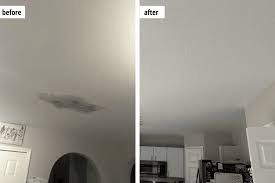
In Cocoa Beach, air conditioning systems run almost year-round due to Florida’s warm and humid climate. While AC units help keep homes comfortable, they also produce significant amounts of condensation. When that moisture fails to drain properly, it can slowly create water damage inside homes.
Unlike flooding or storm damage, condensation problems often develop quietly. Homeowners may not notice anything wrong until stains appear on ceilings, mold odors develop, or flooring begins to warp. By that time, moisture may already have spread into hidden structural areas.
Understanding how AC condensation causes water damage—and how restoration services help correct the problem—allows Cocoa Beach homeowners to protect their homes and avoid costly long-term repairs.
How AC Condensation Causes Water Damage
Air conditioning systems remove humidity from indoor air as part of the cooling process. Moisture pulled from the air collects on evaporator coils and normally drains safely outside through a condensate line.
Problems begin when:
- Condensate drain lines become clogged
- Drain pans crack or overflow
- AC systems are improperly installed
- Airflow problems cause excessive condensation
- Drainage pipes disconnect or become blocked
When condensation cannot drain properly, water leaks into ceilings, walls, or floors around the air handler. Over time, moisture spreads and damages building materials.
Because condensation leaks are slow, damage often goes unnoticed for weeks or months.
Why Condensation Problems Are Common in Cocoa Beach Homes
Homes in Cocoa Beach face humidity levels that remain high most of the year. AC systems run constantly, producing large volumes of condensation daily.
Several local factors increase condensation-related risks:
- Coastal humidity slowing natural drying
- Long AC run times during hot months
- Aging HVAC systems in older homes
- Attic heat causing duct condensation
- Poor ventilation around AC closets
- Storm season power interruptions affecting drainage systems
Homes across nearby areas such as Merritt Island, Satellite Beach, Melbourne, Rockledge, Palm Bay, Titusville, and Viera face similar conditions.
Early Signs of AC Condensation Water Damage
AC condensation leaks often produce warning signs before severe damage occurs. Homeowners should watch for:
- Ceiling stains near AC vents or closets
- Musty odors when AC runs
- Damp or humid indoor air
- Mold spots around vents
- Peeling paint near ceilings or walls
- Warped baseboards or flooring
- Water pooling near air handlers
- Increased indoor humidity levels
These symptoms often develop slowly and may seem minor at first.
Hidden Areas Moisture Often Spreads
Professional inspections frequently reveal moisture damage in locations homeowners rarely check.
Common hidden moisture areas include:
- Inside ceiling cavities
- Behind walls near air handlers
- Beneath flooring around AC closets
- Inside attic insulation around ducts
- Around condensate drain lines
- Inside HVAC ductwork
Moisture often spreads beyond visible stains, creating hidden mold risks.
Why DIY Cleanup Often Fails
Homeowners sometimes attempt to clean or dry condensation leaks themselves. While wiping surfaces may help temporarily, deeper moisture often remains.
DIY cleanup usually fails because:
- Moisture remains inside walls or insulation
- Mold continues growing behind surfaces
- Drainage problems remain unresolved
- Household drying equipment lacks sufficient power
- Hidden water damage goes untreated
Professional restoration ensures both moisture and contamination are fully addressed.
How Professional Water Damage Restoration Works
Professional restoration teams follow a structured process to fully correct condensation damage.
The restoration process usually includes:
- Inspection to identify moisture spread
- Moisture meter and thermal imaging testing
- Repair of AC drainage problems
- Removal of damaged materials when needed
- Industrial drying using air movers and dehumidifiers
- Cleaning and sanitization of affected areas
- Odor control treatment
- Final moisture verification
This ensures both visible and hidden moisture are eliminated before repairs are completed.
Technicians familiar with Cocoa Beach homes understand how coastal humidity affects drying and restoration processes.
Palm Bay Mold Removal frequently assists homeowners throughout Brevard County with condensation-related moisture problems.
Mold Risks from AC Condensation Leaks
One of the biggest risks from condensation leaks is mold growth. Mold thrives in warm, damp conditions and spreads quickly when moisture remains trapped.
Mold commonly develops:
- Behind drywall near leaks
- Beneath flooring
- Inside duct systems
- Around HVAC air handlers
- Inside insulation
Professional mold inspection may be necessary if odors or visible mold appear.
HVAC Systems and Indoor Air Quality
HVAC systems themselves may contribute to indoor air quality problems when moisture remains inside components.
Signs HVAC systems may need attention include:
- Musty smells when AC runs
- Excess dust near vents
- Persistent humidity indoors
- Uneven cooling in rooms
Air duct cleaning and system inspections often improve air quality after moisture problems.
Preventing Future AC Condensation Damage
Homeowners can reduce risks through preventive maintenance.
Helpful prevention steps include:
- Annual HVAC system inspections
- Regular drain line cleaning
- Replacing air filters routinely
- Inspecting drain pans and connections
- Ensuring proper attic ventilation
- Scheduling moisture inspections if odors appear
Homes that maintain HVAC systems experience fewer moisture problems.
Why Local Experience Matters
Homes in Cocoa Beach and surrounding coastal communities face environmental challenges unique to Florida. Restoration methods must account for humidity, storm exposure, and local construction patterns.
Professionals familiar with Brevard County homes understand how condensation behaves locally and can recommend practical long-term solutions.
Palm Bay Mold Removal regularly serves Cocoa Beach homeowners with restoration methods tailored to Florida’s climate.
A Smart Next Step for Homeowners
If your home shows signs of condensation leaks or unexplained moisture near HVAC areas, scheduling professional inspection and restoration services can prevent major repairs later.
Early action protects structural materials, improves indoor comfort, and reduces mold risks. Addressing moisture problems quickly allows Cocoa Beach homeowners to keep homes safe and comfortable year-round.