
Complete Guide for Homeowners: Moisture Detection in Rockledge after Roof Leaks
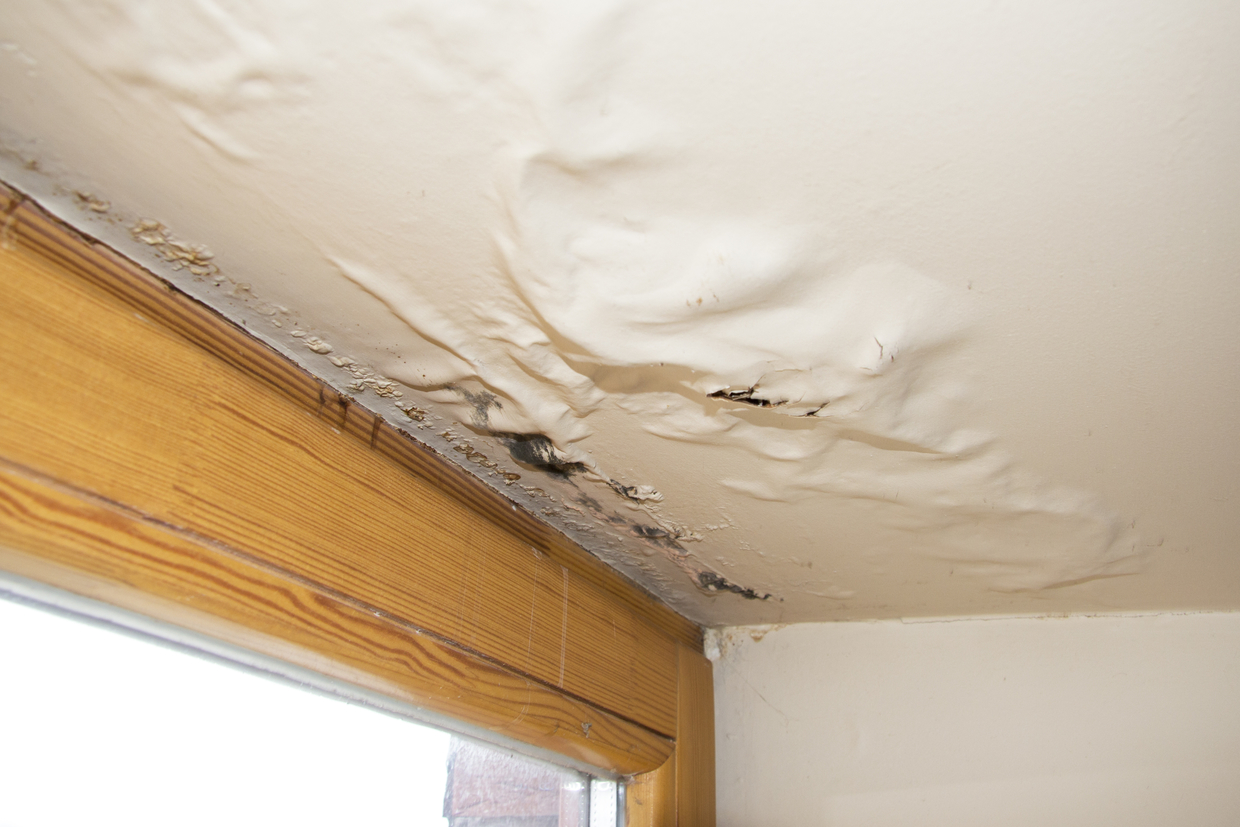
Roof leaks are a common problem for homeowners in Rockledge, especially during Florida’s storm season and periods of heavy rain. While repairing damaged shingles or flashing is important, many homeowners overlook the moisture that remains hidden inside the structure after leaks occur. That trapped moisture can lead to mold growth, structural damage, and ongoing indoor air quality issues if not properly detected and dried.
Moisture detection services help homeowners identify hidden damp areas that are not visible on the surface. Understanding how moisture spreads after roof leaks—and how professionals locate it—can help Rockledge homeowners prevent costly repairs and long-term damage.
Homes throughout nearby Brevard County communities such as Melbourne, Merritt Island, Palm Bay, Cocoa Beach, Satellite Beach, Titusville, and Viera face similar challenges due to Florida’s coastal climate.
How Roof Leaks Cause Hidden Moisture Damage
When rainwater enters through a damaged roof, it rarely drips straight down into one visible spot. Instead, water often travels along roof decking and framing before reaching ceilings or walls.
Common ways moisture spreads after a roof leak include:
- Flowing along rafters into wall cavities
- Soaking attic insulation before dripping onto ceilings
- Running behind drywall before appearing as stains
- Traveling through light fixtures or vents
- Spreading across structural framing
Because of this movement, the visible leak point may be far from the actual roof entry location.
Why Roof Leak Moisture Problems Are Common in Rockledge
Rockledge homes frequently experience heavy rainfall, storms, and hurricanes that stress roofing materials. Combined with Florida’s humidity, moisture problems become more difficult to resolve.
Several local factors increase moisture risks:
- Aging roofing materials exposed to intense sun and storms
- Wind-driven rain entering under shingles
- Damaged flashing around vents or skylights
- Clogged gutters causing water backup
- Poor attic ventilation trapping moisture
- Coastal humidity slowing drying times
Homes in coastal communities often experience slower drying after storms.
Early Signs of Hidden Moisture After Roof Leaks
Homeowners often notice subtle changes before realizing moisture remains in the home.
Common warning signs include:
- Ceiling stains or discoloration
- Bubbling or peeling paint
- Musty odors indoors
- Sagging drywall or soft ceiling spots
- Recurring stains after repairs
- Mold spots near ceiling corners
- Warped trim or baseboards
- Condensation appearing indoors
These signs often develop days or weeks after the initial leak.
Hidden Areas Moisture Often Lingers
Moisture detection services frequently reveal hidden damp areas homeowners would never suspect.
Common hidden moisture locations include:
- Inside attic insulation beneath leaks
- Ceiling cavities above living spaces
- Wall cavities along roof lines
- Around attic ductwork
- Behind cabinets or closets on exterior walls
- Beneath flooring affected by ceiling leaks
Because moisture spreads unpredictably, professional detection tools are often necessary.
Why DIY Moisture Checks Miss the Problem
Some homeowners rely on visual inspection or basic humidity readings to determine whether areas are dry. Unfortunately, surfaces can feel dry while hidden materials remain wet.
DIY checks often fail because:
- Dry surfaces hide wet insulation
- Moisture remains behind walls
- Ceiling cavities may still be saturated
- Mold can develop before moisture becomes visible
- Leak paths spread moisture widely
Professional equipment is necessary to detect hidden damp areas accurately.
How Professional Moisture Detection Works
Professional moisture detection combines inspection experience with specialized equipment.
A typical inspection includes:
- Moisture meter testing in ceilings and walls
- Thermal imaging scans showing hidden moisture patterns
- Inspection of attic insulation and structures
- Evaluation of ventilation and airflow conditions
- Leak source identification
Thermal cameras detect cooler areas caused by moisture, while moisture meters confirm saturation levels inside materials.
Professionals familiar with Rockledge homes understand how roof leaks commonly spread moisture in local construction styles.
Palm Bay Mold Removal frequently assists homeowners throughout Brevard County by locating hidden moisture after storms and roof damage.
What Happens After Moisture Is Found
Once damp materials are located, corrective action prevents future problems.
Typical solutions include:
- Removing wet insulation
- Drying ceiling cavities with air movers and dehumidifiers
- Repairing roof leak entry points
- Treating areas to prevent mold growth
- Replacing damaged drywall after drying
Proper drying ensures materials are safe before repairs are completed.
How Moisture Detection Prevents Mold Growth
Mold grows quickly in damp environments. Even small amounts of trapped moisture allow mold spores to spread.
Moisture detection helps prevent mold by:
- Locating hidden damp areas early
- Confirming drying is complete
- Identifying ventilation problems
- Guiding restoration work accurately
Early detection often eliminates the need for mold remediation later.
Roof Leak Damage and Water Restoration
In severe cases, roof leaks require full water damage restoration.
Restoration may include:
- Water extraction from affected areas
- Structural drying
- Ceiling and wall repairs
- Carpet and flooring treatment
- Odor control processes
Fast restoration reduces long-term repair costs.
HVAC Systems and Roof Leak Moisture
Moisture from roof leaks sometimes reaches HVAC ducts or air handlers, allowing humidity or mold spores to circulate through the home.
Warning signs HVAC systems may be affected include:
- Musty smells when AC runs
- Persistent indoor humidity
- Dust or debris near vents
- Uneven cooling in rooms
Duct inspection and cleaning may be necessary after leaks.
Preventing Future Moisture Problems
Homeowners can reduce risks with preventive maintenance.
Helpful steps include:
- Inspect roofs annually and after storms
- Repair damaged shingles or flashing promptly
- Maintain gutters and drainage systems
- Check attic ventilation regularly
- Schedule moisture inspections after leaks
- Address ceiling stains immediately
Homes that dry quickly after leaks experience fewer long-term issues.
Why Local Experience Matters
Homes in Rockledge and surrounding coastal communities face environmental conditions unique to Florida. Restoration and moisture detection solutions must account for humidity, storms, and local construction patterns.
Professionals familiar with Brevard County homes understand how moisture behaves locally and can recommend practical long-term solutions.
Palm Bay Mold Removal regularly assists homeowners across Rockledge and nearby communities by identifying hidden moisture problems and preventing future damage.
A Smart Next Step for Homeowners
If your home recently experienced a roof leak or storm-related water intrusion, scheduling professional moisture detection helps prevent costly repairs later.
Early identification of hidden moisture protects structural materials, improves indoor comfort, and reduces mold risks. Acting quickly allows Rockledge homeowners to restore homes safely and maintain healthy living environments after roof leaks.