
Water Damage Restoration Services in Rockledge during Rainy Season: Early Signs You Should Not Ignore
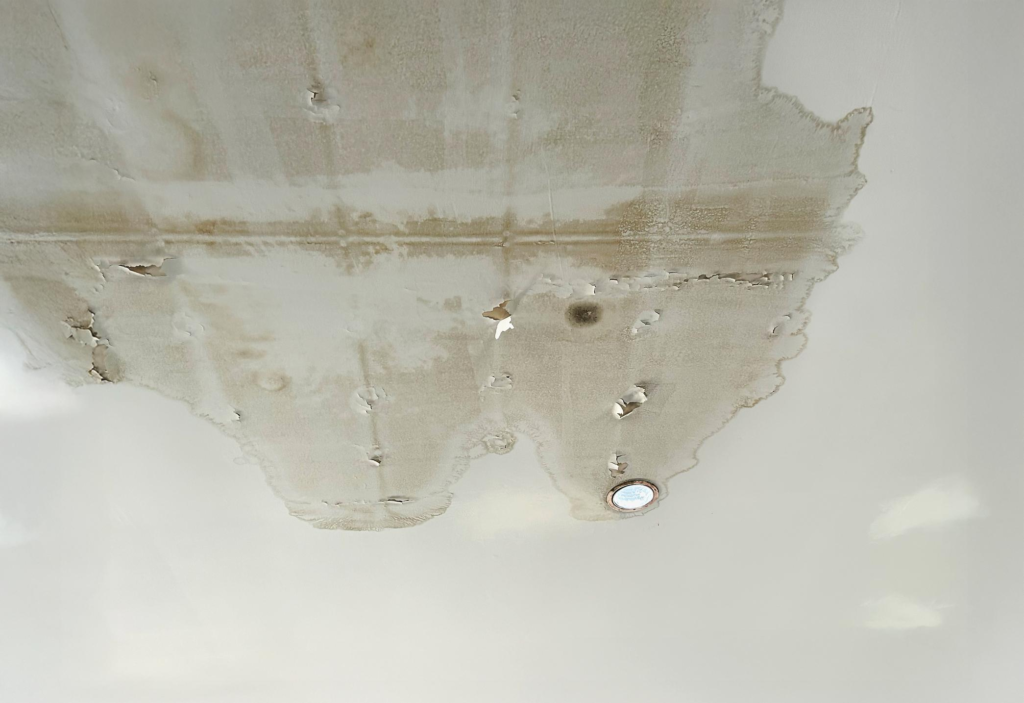
The rainy season in Rockledge brings much-needed relief from heat, but it also introduces serious risks for homeowners. Heavy rainfall, sudden storms, overflowing drainage systems, and saturated ground conditions frequently lead to water intrusion inside homes. While some water damage is immediately obvious, many problems develop quietly after the rain stops.
Moisture trapped inside walls, floors, and insulation can cause mold growth, structural damage, and lingering indoor air quality issues. Early detection and timely restoration help prevent minor water problems from turning into costly repairs. Understanding the warning signs allows Rockledge homeowners to act quickly and protect their homes throughout the rainy season.
Homes across nearby communities such as Merritt Island, Melbourne, Palm Bay, Cocoa Beach, Satellite Beach, Titusville, and Viera face similar seasonal moisture challenges due to Florida’s climate.
How Rainy Season Water Damage Occurs
Water damage during the rainy season rarely comes from one source alone. Instead, several small vulnerabilities combine during heavy rainfall events.
Common causes include:
- Roof leaks allowing water into attics and ceilings
- Overflowing gutters directing water toward foundations
- Poor drainage around homes causing water intrusion
- Window or door seal failures during storms
- Foundation cracks allowing groundwater entry
- Plumbing systems overwhelmed during storms
- AC condensation issues worsened by humidity
Water often spreads along structural components before becoming visible inside living spaces.
Why Rainy Season Damage Is Common in Rockledge Homes
Rockledge homes experience frequent summer storms and prolonged rainfall periods. Coastal humidity also slows drying once water enters the home.
Several regional factors increase water damage risks:
- Sudden heavy rainfall overwhelming drainage systems
- Older roofing materials vulnerable to leaks
- Homes built on slabs susceptible to ground moisture
- High humidity slowing evaporation indoors
- Storm winds driving rain under roofing materials
- Aging window and door seals
Even homes without direct flooding may suffer moisture intrusion that leads to hidden damage.
Early Signs of Water Damage Homeowners Should Notice
Water damage often develops slowly, producing warning signs before major problems appear. Homeowners should watch for these clues:
- Musty or damp odors indoors
- Ceiling stains or discoloration
- Bubbling or peeling paint
- Warped baseboards or flooring
- Damp or sticky indoor air
- Mold spots near walls or ceilings
- Soft drywall or sagging ceilings
- Increased indoor humidity after storms
These signs often appear days or weeks after rainfall when trapped moisture begins affecting materials.
Hidden Areas Where Water Damage Develops
Water frequently travels through structures in ways homeowners do not expect. Professional inspections often reveal moisture in concealed areas.
Common hidden problem areas include:
- Attic insulation beneath roof leaks
- Inside wall cavities
- Beneath carpets and flooring
- Around HVAC ducts and air handlers
- Behind cabinets or appliances
- Crawl spaces under homes
- Inside ceiling cavities
Because moisture spreads unpredictably, professional detection tools are often necessary.
Why DIY Drying Often Falls Short
After water intrusion, many homeowners attempt to dry affected areas using fans or household dehumidifiers. While this may help with surface drying, hidden moisture often remains.
DIY cleanup typically fails because:
- Moisture remains inside walls and insulation
- Subfloors and framing stay damp
- Household equipment lacks sufficient drying power
- Mold begins growing behind surfaces
- Leak sources are not fully corrected
Without professional drying, problems frequently return later.
How Professional Water Damage Restoration Works
Professional restoration services focus on removing moisture completely and restoring affected materials safely.
The typical restoration process includes:
- Detailed inspection to determine moisture spread
- Moisture meter and thermal imaging testing
- Emergency water extraction
- Removal of damaged materials if needed
- Industrial air movers and dehumidifiers for drying
- Cleaning and sanitization of affected areas
- Odor control treatments
- Final moisture verification
This structured process ensures both visible and hidden moisture are addressed before repairs are completed.
Professionals experienced with Rockledge homes understand how local climate affects drying times and moisture behavior.
Palm Bay Mold Removal frequently assists homeowners throughout Brevard County with restoration services tailored to Florida conditions.
Mold Risks After Rainy Season Water Damage
One of the biggest risks following water intrusion is mold growth. Mold thrives in warm, damp environments and can spread quickly when moisture remains trapped.
Mold commonly develops:
- Behind drywall after leaks
- Beneath flooded carpets
- Inside attic insulation
- Around HVAC systems
- Inside crawl spaces
Professional inspections are often recommended after restoration to confirm that mold has not begun developing.
HVAC Systems and Rainy Season Moisture
HVAC systems sometimes contribute to moisture problems after storms. When humidity levels rise or ducts become damp, moisture spreads through the system.
Signs HVAC systems may be affected include:
- Musty odors when AC runs
- Excess dust or debris near vents
- Uneven cooling in rooms
- Persistent humidity indoors
Air duct inspections and cleaning may be necessary when moisture affects HVAC components.
Preventing Water Damage During Rainy Season
Homeowners can reduce rainy season risks by taking preventive steps before and during heavy rainfall periods.
Helpful prevention strategies include:
- Inspect roofs annually and after storms
- Clean gutters and drainage systems regularly
- Ensure downspouts direct water away from foundations
- Check windows and doors for seal damage
- Maintain AC systems and drain lines
- Inspect plumbing systems regularly
- Schedule moisture inspections after major storms
Homes that address small problems early experience fewer major restoration needs later.
Why Local Experience Matters
Homes in Rockledge and surrounding coastal communities face environmental conditions unique to Florida. Humidity, storm patterns, and coastal weather exposure require restoration methods suited to the region.
Professionals familiar with Brevard County construction patterns understand how water behaves locally and can recommend practical long-term solutions.
Palm Bay Mold Removal regularly serves Rockledge homeowners with restoration methods designed specifically for Florida’s climate and housing styles.
A Smart Next Step for Homeowners
If your home has experienced heavy rainfall, leaks, or signs of lingering moisture during the rainy season, scheduling professional water damage restoration services can help prevent larger problems later.
Early action protects structural materials, improves indoor comfort, and reduces mold risks. Addressing moisture concerns quickly allows Rockledge homeowners to keep their homes safe and dry throughout Florida’s rainy months.