
Early Signs You Should Not Ignore: Mold Testing in West Melbourne after Hurricanes
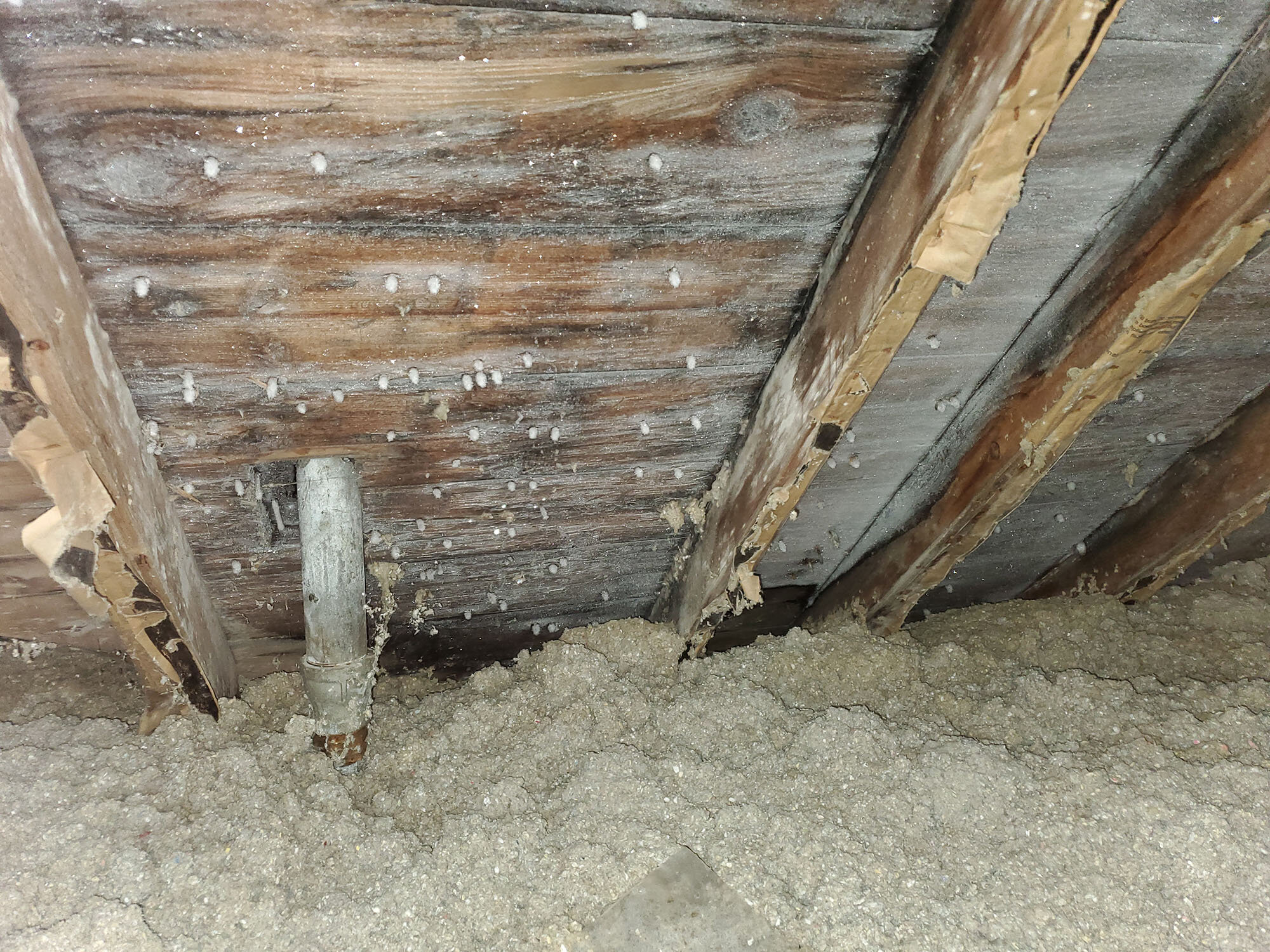
Hurricanes regularly impact West Melbourne and surrounding Brevard County communities, bringing heavy rain, wind-driven moisture, and flooding risks. While homeowners often focus on repairing visible damage after storms, hidden moisture inside walls, flooring, and ceilings can create serious problems long after the storm passes.
Mold growth is one of the most common post-hurricane issues in Florida homes. Even when water appears to be cleaned up quickly, damp materials can remain hidden inside structures. Mold testing helps confirm whether mold growth has started and identifies areas needing attention before damage spreads.
Recognizing early warning signs and understanding the testing process allows homeowners in West Melbourne to act quickly and protect their homes from long-term moisture problems.
How Mold Growth Begins After Hurricanes
When hurricanes hit, water can enter homes through roof damage, windows, doors, and wall penetrations. Even small leaks allow moisture to seep into insulation and drywall.
Common moisture sources after storms include:
- Roof leaks soaking attic insulation
- Floodwater entering garages or ground floors
- Wind-driven rain penetrating windows and doors
- Damp carpets and flooring after flooding
- AC shutdowns increasing indoor humidity
- Slow drying due to high humidity
Once moisture remains inside materials, mold spores naturally present in the air begin to grow on damp surfaces.
Why Mold Risk Is High in West Melbourne Homes
West Melbourne homes experience Florida’s humid coastal climate year-round. After hurricanes, indoor drying becomes even more difficult due to environmental conditions.
Several factors contribute to mold development:
- High humidity slows evaporation
- Homes remain closed during storms
- Power outages prevent AC operation
- Damp materials stay wet longer
- Flooding saturates flooring and walls
Homes throughout Palm Bay, Rockledge, Melbourne, Merritt Island, Cocoa Beach, Satellite Beach, Titusville, and Viera face similar post-storm moisture challenges.
Early Warning Signs Homeowners Should Notice
Mold growth often begins hidden but produces warning signs homeowners can detect.
Common signs include:
- Persistent musty odors indoors
- Rooms feeling damp or humid
- Bubbling or peeling paint
- Dark staining on ceilings or walls
- Warped flooring or trim
- Condensation forming on windows
- Recurring mold spots in bathrooms
- Increased allergy-like symptoms indoors
These warning signs often appear weeks after storms when moisture problems remain unresolved.
Hidden Areas Mold Frequently Develops
Professional mold inspections often uncover contamination in areas homeowners rarely check.
Hidden mold locations commonly include:
- Behind drywall affected by leaks
- Beneath carpets and padding
- Inside attic insulation
- Around HVAC air handlers
- Inside air ducts
- Crawl spaces with trapped moisture
- Behind cabinets or appliances
Storm-driven rain and roof damage often allow water to spread into concealed areas, where mold can grow unnoticed.
Why Surface Cleaning Does Not Solve the Problem
Homeowners sometimes clean visible mold spots after storms, believing the problem is resolved. However, mold often continues growing behind surfaces.
DIY cleanup usually fails because:
- Moisture remains trapped inside materials
- Mold colonies exist behind walls
- Cleaning spreads spores
- Leaks or humidity problems continue
- Materials remain damp beneath the surface
Professional inspection ensures hidden moisture and mold are identified correctly.
How Professional Mold Testing Works
Mold testing helps determine whether mold contamination is present and how widespread it may be.
A professional mold inspection typically includes:
- Moisture meter testing of walls and floors
- Thermal imaging scans for hidden dampness
- Inspection of attic and crawl spaces
- HVAC and ductwork evaluation
- Air sampling to measure spore levels
- Surface sampling if growth is visible
Testing results guide remediation decisions and confirm whether air quality has been affected.
Professionals experienced with West Melbourne homes understand common moisture patterns following storms and know where hidden issues typically develop.
Palm Bay Mold Removal frequently assists homeowners across Brevard County by identifying mold risks early after hurricane damage.
Mold Removal and Remediation After Testing
When testing confirms mold presence, remediation focuses on safe removal and moisture correction.
The remediation process typically includes:
- Containment of affected areas
- Air filtration to reduce airborne spores
- Removal of contaminated materials
- Cleaning and antimicrobial treatment
- Structural drying and dehumidification
- Repair of intrusion points
- Final moisture verification
Removing mold without fixing moisture sources usually leads to recurring problems.
Flood Restoration and Water Damage Repair
Hurricane damage often requires flood restoration services to fully remove water and dry affected materials.
Flood restoration commonly includes:
- Water extraction from floors and carpets
- Drying walls and insulation
- Carpet and padding treatment
- Odor removal processes
- Structural repairs when needed
Quick restoration significantly reduces mold growth risks and repair costs.
HVAC Systems and Mold Spread After Storms
HVAC systems can contribute to mold problems after hurricanes if moisture enters ducts or air handlers.
Signs HVAC systems may be affected include:
- Musty smells when AC runs
- Dust or debris near vents
- Uneven cooling
- Persistent indoor humidity
Air duct cleaning and AC inspections are often recommended after storm-related moisture exposure.
Preventing Mold Problems After Future Hurricanes
Homeowners can reduce mold risks by taking preventive measures following storms.
Helpful prevention steps include:
- Inspect roofs and windows after storms
- Dry wet materials quickly
- Use dehumidifiers once power returns
- Maintain HVAC systems annually
- Schedule inspections after flooding
- Address leaks immediately
Homes that dry quickly experience fewer mold problems later.
Why Local Experience Matters
Homes in West Melbourne face environmental conditions unique to Florida’s coastal communities. Restoration methods effective in other regions may not address humidity and storm-related moisture risks properly.
Professionals familiar with Brevard County homes understand how moisture behaves locally and can recommend practical solutions suited to the region.
Palm Bay Mold Removal regularly serves West Melbourne and surrounding communities with restoration methods tailored to Florida’s climate.
A Smart Next Step for Homeowners
If your home experienced storm-related leaks, flooding, or lingering damp conditions, scheduling professional mold testing can help identify hidden problems early.
Early detection and remediation protect property value and restore indoor comfort. Addressing moisture concerns quickly helps West Melbourne homeowners avoid recurring mold issues after hurricane season.