
How Mold Removal Helps Homes in Melbourne after Water Damage
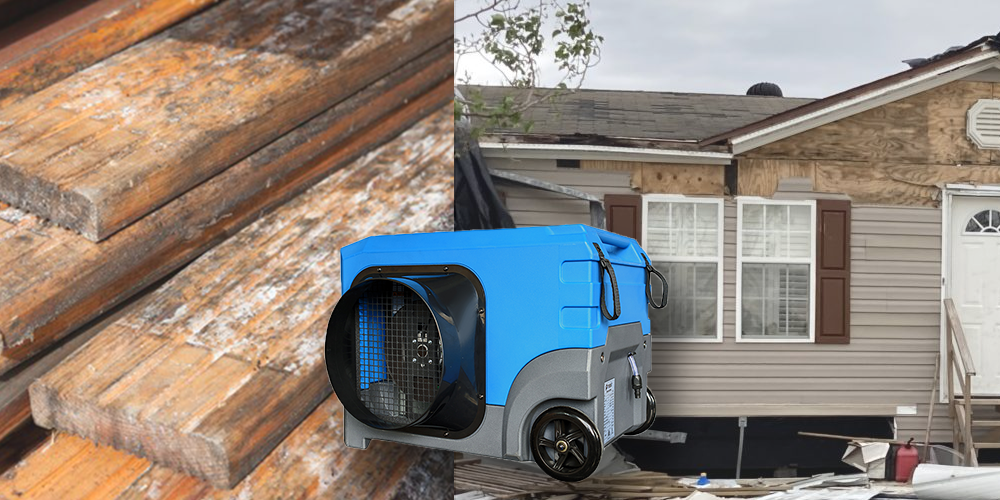
Water damage is one of the most common problems affecting homes in Melbourne and throughout Brevard County. Heavy rains, hurricanes, plumbing failures, roof leaks, and AC condensation issues frequently introduce unwanted moisture into homes. While visible water may be removed quickly, hidden moisture often remains inside walls, flooring, and insulation, creating ideal conditions for mold growth.
Many homeowners assume that once surfaces dry, the problem is resolved. However, mold growth often begins in concealed spaces, spreading quietly until odors or visible stains appear. Mold removal after water damage is essential not only to restore the home’s condition but also to prevent future structural and moisture problems.
Understanding how mold removal helps homes recover after water damage allows Melbourne homeowners to take the right steps before minor moisture problems become major repairs.
How Mold Develops After Water Damage
When water enters a home, porous materials absorb moisture rapidly. Drywall, carpet, insulation, wood framing, and subflooring can stay damp long after standing water disappears.
Mold spores are naturally present in the air, but when moisture remains trapped, spores begin growing on damp surfaces. Mold colonies can begin forming within days if drying is delayed.
In Melbourne homes, mold commonly appears after:
- Roof leaks during storms
- Plumbing leaks behind walls
- Flooding from heavy rainfall
- AC system condensation problems
- Appliance leaks
- Poor drainage around foundations
Without proper drying and cleanup, mold continues spreading, damaging materials and affecting indoor air quality.
Why Water Damage Leads to Mold So Quickly in Melbourne
Melbourne’s coastal climate contributes heavily to mold risks. High humidity slows the drying process, allowing moisture to remain indoors longer.
Several regional factors increase mold growth risk:
- Year-round humidity
- Frequent storms and heavy rain
- Homes sealed tightly for air conditioning efficiency
- Power outages preventing AC operation
- Warm temperatures accelerating mold growth
Homes in nearby communities like Palm Bay, Merritt Island, Rockledge, Satellite Beach, Cocoa Beach, and Viera face similar moisture challenges after storms.
Even small leaks or minor flooding events can cause mold if moisture is not addressed quickly.
Signs Mold May Be Growing After Water Damage
Mold often develops in hidden areas before becoming visible. Homeowners should watch for early warning signs after water intrusion.
Common warning signs include:
- Persistent musty odors
- Damp or humid indoor air
- Discoloration on walls or ceilings
- Bubbling or peeling paint
- Warped flooring or baseboards
- Recurring mold spots in bathrooms
- Allergy-like irritation indoors
- Condensation around windows or vents
These signs suggest moisture remains inside building materials.
Hidden Areas Mold Commonly Develops
Mold removal professionals frequently discover mold growth in locations homeowners rarely inspect.
Common hidden problem areas include:
- Inside drywall after leaks
- Beneath carpet and padding
- Inside attic insulation
- Around HVAC systems and ducts
- Beneath cabinets or appliances
- Crawl spaces with trapped moisture
- Ceiling cavities beneath roof leaks
Water can travel along framing and settle in unexpected places, making professional inspection important after water damage.
Why DIY Mold Cleanup Often Fails
Homeowners sometimes attempt to clean mold themselves after water damage using household cleaners or bleach solutions. While this may improve appearance temporarily, mold often returns.
DIY cleanup usually fails because:
- Hidden moisture remains
- Mold grows behind surfaces
- Cleaning spreads spores
- Wet materials are not removed
- Underlying leaks continue
True mold removal requires correcting moisture sources and removing contaminated materials when necessary.
How Professional Mold Removal Works
Professional mold removal focuses on both eliminating mold and preventing future growth.
The process typically includes:
- Inspection to identify mold and moisture sources
- Containment of affected areas
- Use of air filtration equipment
- Removal of contaminated materials when needed
- Cleaning and antimicrobial treatment
- Structural drying and dehumidification
- Final moisture verification
This systematic process ensures mold does not return after cleanup.
Professionals familiar with Melbourne homes understand common moisture patterns and can locate hidden risks effectively.
Palm Bay Mold Removal frequently assists homeowners throughout Melbourne and surrounding communities in restoring homes after water damage.
Water Damage Restoration and Structural Drying
Mold removal often works alongside water damage restoration to fully stabilize the home.
Restoration commonly includes:
- Water extraction
- Drying walls and insulation
- Carpet and flooring treatment
- Odor control measures
- Repair or replacement of damaged materials
Quick restoration reduces repair costs and prevents mold from spreading further.
Homes that receive proper drying after water damage experience far fewer mold problems later.
HVAC Systems and Mold Spread
HVAC systems sometimes contribute to mold problems after water damage. Moisture inside ducts or air handlers can circulate spores throughout the home.
Warning signs HVAC systems may be involved include:
- Musty smells when AC runs
- Excess dust near vents
- Uneven airflow
- Persistent indoor humidity
Air duct cleaning and AC inspections are often recommended after water damage.
Preventing Mold After Water Damage
Preventive steps help homeowners reduce future mold risks.
Helpful strategies include:
- Repair leaks immediately
- Maintain HVAC systems annually
- Improve ventilation in bathrooms and kitchens
- Inspect roofs and gutters regularly
- Use dehumidifiers after flooding or storms
- Schedule moisture inspections after water events
Homes that dry quickly after leaks experience fewer recurring mold problems.
Why Local Experience Matters
Homes in Melbourne and surrounding Brevard County communities face environmental conditions unique to coastal Florida. Salt air, humidity, and storm exposure influence how moisture behaves indoors.
Professionals familiar with local construction patterns and climate conditions can identify hidden moisture problems faster and recommend practical long-term solutions.
Palm Bay Mold Removal regularly serves Melbourne homeowners with restoration practices designed specifically for Florida’s environment.
A Smart Next Step After Water Damage
If your home has experienced flooding, leaks, or lingering moisture, scheduling a professional mold inspection and removal service helps prevent larger problems later.
Addressing moisture issues early protects structural materials, improves indoor comfort, and helps homeowners avoid repeated repairs. Acting quickly allows Melbourne homeowners to restore their homes safely and confidently after water damage.