
Inspection and Repair Guide: Flood Restoration in Satellite Beach in Rental Properties
Flooding is a recurring concern for rental properties in Satellite Beach, especially after coastal storms, heavy rains, and seasonal flooding events. Property owners and tenants often focus on removing visible water, but the real challenge begins after the surface appears dry. Hidden moisture can remain trapped inside walls, flooring, and structural materials, leading to mold growth and long-term damage if restoration is incomplete.
Rental properties face additional risks because multiple tenants occupy the home over time, and small maintenance issues sometimes go unnoticed. Understanding how flood restoration works and recognizing when professional inspection and repair are necessary can help protect both property value and tenant safety throughout Satellite Beach and surrounding Brevard County communities.
How Flood Damage Impacts Rental Homes
Floodwater affects more than carpets and floors. Once water enters a rental property, it spreads quickly into structural materials.
Commonly affected areas include:
- Carpet and padding
- Wood and laminate flooring
- Drywall and insulation
- Baseboards and cabinetry
- Electrical systems
- HVAC components
- Crawl spaces and foundations
Even shallow flooding can leave moisture inside materials that dry slowly in Florida’s humid environment. If drying is delayed or incomplete, mold growth can begin within days.
In rental homes, damage may not be fully noticed until tenants report odors or visible stains weeks later.
Why Flooding Happens Frequently in Satellite Beach Rentals
Satellite Beach sits directly along Florida’s coast, making homes vulnerable to storm surge, heavy rainfall, and wind-driven water intrusion. Rental properties often experience flooding from:
- Hurricanes and tropical storms
- Seasonal heavy rainfall
- Storm surge from coastal flooding
- Roof leaks during storms
- Plumbing failures
- Overflowing appliances
- Drainage problems around foundations
Power outages during storms often shut down air conditioning systems, allowing humidity to rise indoors and slowing the drying process.
Nearby areas like Cocoa Beach, Merritt Island, Melbourne, and Rockledge experience similar flooding risks due to coastal weather patterns.
Early Warning Signs Flood Damage Was Not Fully Repaired
Sometimes rental properties appear repaired after flooding, but hidden damage remains. Property owners and tenants should watch for warning signs such as:
- Persistent musty or damp odors
- Carpet remaining slightly damp
- Peeling paint or bubbling walls
- Warped flooring or baseboards
- Recurring mold spots
- Increased humidity indoors
- Stains reappearing on ceilings or walls
These signs often indicate moisture remains inside structural materials.
Rental turnovers sometimes reveal damage left unnoticed by previous occupants, making professional inspection important after flooding events.
Hidden Moisture Areas Often Missed
Flood restoration must address both visible and hidden moisture. Professional inspections often reveal damage in locations homeowners rarely inspect.
Common hidden moisture areas include:
- Inside wall cavities
- Beneath flooring and carpet padding
- Inside insulation
- Under kitchen or bathroom cabinets
- Inside HVAC ducts
- Crawl spaces under homes
- Attics affected by roof leaks
Salt air and coastal humidity also slow drying in these concealed spaces, allowing mold to spread quietly.
Why DIY Flood Cleanup Usually Falls Short
Many property owners attempt to clean up flood damage themselves or rely on basic cleaning services. While surface drying helps initially, it often leaves moisture trapped inside materials.
DIY cleanup usually fails because:
- Standard fans lack sufficient drying power
- Moisture meters are not used to confirm dryness
- Wet padding or insulation remains in place
- Hidden mold begins growing
- Water-damaged materials are not removed
Without professional drying and inspection, moisture problems often return, creating repair expenses later.
What Happens During a Professional Flood Inspection
Professional restoration begins with a complete inspection to determine how far water has spread.
Inspection typically includes:
- Moisture meter testing of walls and floors
- Thermal imaging to detect hidden moisture
- Inspection of crawl spaces and attics
- Evaluation of HVAC systems
- Leak source identification
- Structural damage assessment
Professionals familiar with Satellite Beach homes understand common coastal moisture patterns and construction styles.
Palm Bay Mold Removal frequently performs inspections across Brevard County, helping rental property owners identify hidden flood damage before it worsens.
The Flood Restoration Process Explained
Proper flood restoration involves several stages designed to fully dry and repair the property.
Restoration typically includes:
- Emergency water extraction
- Removal of damaged materials if necessary
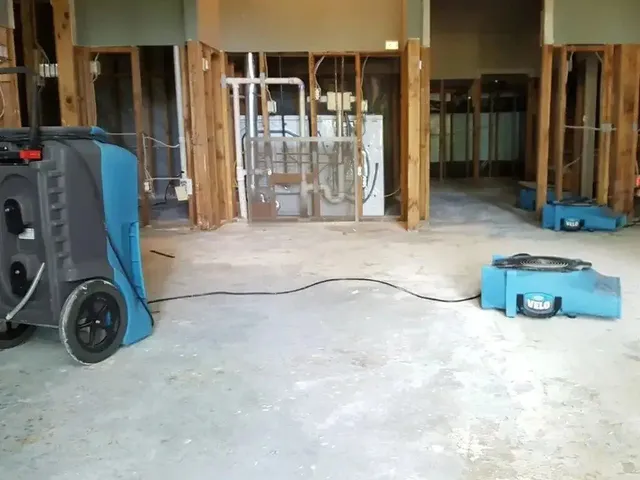
- Industrial drying using air movers and dehumidifiers
- Cleaning and sanitization of affected areas
- Odor control treatment
- Structural repairs where needed
This process ensures both visible and hidden moisture are removed before repairs are completed.
Rental homes restored properly can safely return to occupancy without recurring moisture issues.
Mold Risks After Flooding
One of the biggest risks after flooding is mold growth. Mold develops when moisture remains in building materials, especially in Florida’s warm climate.
Rental homes are particularly vulnerable because mold may grow between tenants or go unnoticed in storage areas.
Professional mold inspection is often recommended after flood restoration to confirm contamination has not developed.
Correcting moisture issues early prevents expensive mold remediation later.
HVAC Systems and Flood Damage
Flooding sometimes affects HVAC systems or air ducts, creating additional indoor air quality concerns.
Signs HVAC systems were affected include:
- Musty smells when AC runs
- Reduced airflow
- Visible dust or debris around vents
- Uneven cooling
Air duct cleaning and system inspection may be necessary after flooding, especially in coastal homes where humidity levels remain high.
Preventing Future Flood Damage in Rental Properties
Property owners can reduce flood risks by implementing preventive measures.
Helpful strategies include:
- Inspecting roofs and windows regularly
- Maintaining proper drainage around foundations
- Checking plumbing systems periodically
- Installing flood barriers where needed
- Servicing HVAC systems annually
- Scheduling inspections after major storms
Quick action after flooding significantly reduces restoration costs and tenant disruption.
Why Local Restoration Experience Matters
Coastal homes in Satellite Beach face environmental challenges different from inland properties. Salt air, humidity, and storm exposure require restoration methods tailored to Florida’s climate.
Professionals familiar with Brevard County construction patterns can locate hidden moisture faster and recommend practical solutions suited to rental properties.
Palm Bay Mold Removal serves Satellite Beach and surrounding communities with restoration practices designed specifically for Florida’s coastal environment.
A Practical Next Step for Property Owners
If your rental property has experienced flooding or storm-related water intrusion, scheduling a professional inspection helps prevent long-term damage.
Addressing hidden moisture quickly protects both tenants and the investment value of the property. Early restoration ensures rental homes remain safe, comfortable, and ready for future occupancy throughout Satellite Beach and neighboring communities.