
Indoor Air Quality Improvement in Titusville from Poor Ventilation: Inspection and Repair Guide
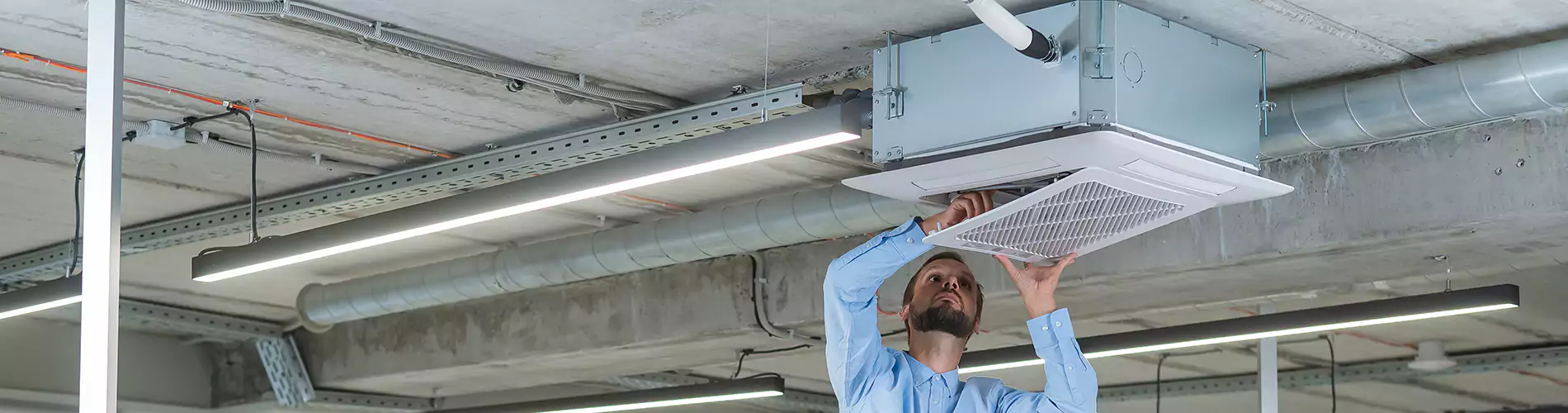
Homes in Titusville face unique challenges with indoor air quality due to Florida’s humid climate, coastal proximity, and frequent storms. Poor ventilation can lead to stagnant air, excess humidity, and the growth of mold, mildew, and allergens. If not addressed, these issues can negatively impact health, comfort, and property conditions.
This guide is tailored for Titusville homeowners, landlords, and property managers. It explains the causes of indoor air quality problems, identifies warning signs, outlines professional inspection and repair processes, and provides practical prevention strategies.
Understanding Indoor Air Quality Problems
Indoor air quality (IAQ) refers to the cleanliness, safety, and overall health of the air inside a home. Poor ventilation can trap dust, moisture, and microbial contaminants, leading to persistent odors, mold growth, and compromised indoor environments. Common causes in Titusville include:
- Closed or poorly ventilated rooms
- Inefficient or clogged HVAC systems
- High indoor humidity due to coastal climate
- Roof or plumbing leaks introducing moisture into walls, attics, or crawl spaces
- Infrequent maintenance of air ducts, vents, and filters
Without addressing these issues, moisture accumulates, creating ideal conditions for mold growth and poor air quality.
Why Poor Ventilation Is Common in Titusville Homes
Several factors make inadequate airflow a recurring problem in Titusville:
- Coastal Humidity: Constant high humidity increases moisture levels indoors.
- Older Construction: Many homes lack modern ventilation or duct systems.
- Energy Efficiency Measures: Sealed windows and doors can inadvertently trap moisture.
- HVAC Limitations: AC units that are poorly maintained may fail to dehumidify effectively.
These conditions often allow air to stagnate, promoting microbial growth and the circulation of dust and allergens.
Common Signs Homeowners Notice
Homeowners may observe the following indicators of poor IAQ:
- Musty or damp odors in rooms
- Condensation on windows, walls, or AC vents
- Visible mold on walls, ceilings, or around vents
- Increase in allergy or respiratory symptoms
- Dust accumulation in ducts and vents
- Warped flooring, peeling paint, or water-stained walls and ceilings
Early recognition of these signs enables timely inspection and remediation.
Hidden or Overlooked Sources
Many indoor air quality problems originate in areas that are not easily visible:
- Attics and Crawl Spaces: Poor airflow can trap moisture, leading to mold growth.
- Ducts and Vents: Contaminants and dust accumulate and circulate throughout the home.
- Behind Appliances or Cabinets: Leaks from plumbing or AC units may go unnoticed.
- Inside Walls or Insulation: Moisture trapped in walls promotes microbial growth over time.
Professional equipment is required to detect these hidden issues accurately.
Why DIY Solutions Often Fail
DIY methods, such as air fresheners, portable fans, or household cleaning, may temporarily mask odors but cannot remove moisture or mold spores effectively. Without professional inspection and remediation, the root causes remain, often worsening over time.
Professional Indoor Air Quality Inspection
A thorough professional inspection in Titusville includes:
- Visual Assessment: Technicians examine attics, crawl spaces, HVAC systems, walls, and ceilings for moisture, mold, or airflow problems.
- Moisture Detection: Moisture meters and thermal imaging cameras identify hidden damp areas.
- Air Sampling: Tests measure particulate matter, mold spores, and airborne bacteria in different rooms.
- Surface Sampling: Swabs from vents, ducts, and surfaces confirm the presence and type of microbial contaminants.
- Detailed Reporting: Homeowners receive a comprehensive report with identified issues and recommended remediation strategies.
This ensures that all hidden sources of poor IAQ are addressed properly.
Indoor Air Quality Improvement Process
Step 1: Source Control
- Repair leaks in plumbing, roofs, or AC units.
- Seal gaps and cracks that allow moisture intrusion.
Step 2: Cleaning and Remediation
- Remove mold-contaminated materials when necessary.
- Clean ducts, vents, and HVAC components using HEPA-grade equipment.
- Apply antimicrobial treatments to prevent future microbial growth.
Step 3: Drying and Dehumidification
- Use industrial dehumidifiers and air movers to remove moisture from walls, floors, and air.
- Monitor moisture levels continuously until all areas are completely dry.
Step 4: Air Filtration and Ventilation
- Install or upgrade HEPA air purifiers or HVAC filters to reduce airborne spores.
- Improve ventilation in kitchens, bathrooms, attics, and living areas.
Step 5: Restoration and Maintenance
- Replace damaged drywall, insulation, or flooring.
- Implement a maintenance schedule for filter changes, duct cleaning, and moisture inspections.
Flood Restoration and Water Damage Considerations
In Titusville, poor ventilation often coincides with water intrusion from AC condensation, plumbing leaks, or minor flooding. Prompt water removal and restoration prevent secondary IAQ issues such as mold growth and lingering odors. Drying structural components thoroughly is critical for maintaining healthy indoor air quality.
Air Ducts, AC Systems, and Mold
AC systems both control humidity and distribute air throughout the home. Issues include:
- Condensation dripping into ductwork
- Dust and mold spore accumulation
- Blocked airflow causing uneven humidity
Professional duct cleaning and maintenance improve airflow, reduce allergens, and prevent mold growth.
Preventive Measures for Titusville Homes
- Maintain HVAC systems regularly, replacing filters as recommended.
- Keep indoor humidity below 50% using AC or dehumidifiers.
- Install exhaust fans in bathrooms, kitchens, and attics.
- Inspect plumbing, roof, and AC condensation lines routinely.
- Use mold-resistant building materials in high-risk areas.
Why Local Experience Matters
Titusville’s coastal climate and older home stock present specific challenges:
- High humidity and storm exposure
- AC condensation issues and older ductwork
- Rapid microbial growth due to trapped moisture
Local professionals understand these conditions and provide solutions tailored to the area, ensuring effective and lasting indoor air quality improvements.
Calm, Trust-Based Call to Action
Indoor air quality in Titusville homes impacted by poor ventilation requires prompt professional attention. Addressing hidden moisture, cleaning ducts, repairing HVAC systems, and implementing preventive measures will improve health, comfort, and property integrity. Working with experienced local experts ensures long-term protection against mold, allergens, and other air quality concerns.