
Early Signs You Should Not Ignore: Mold Inspection in Merritt Island from Poor Ventilation
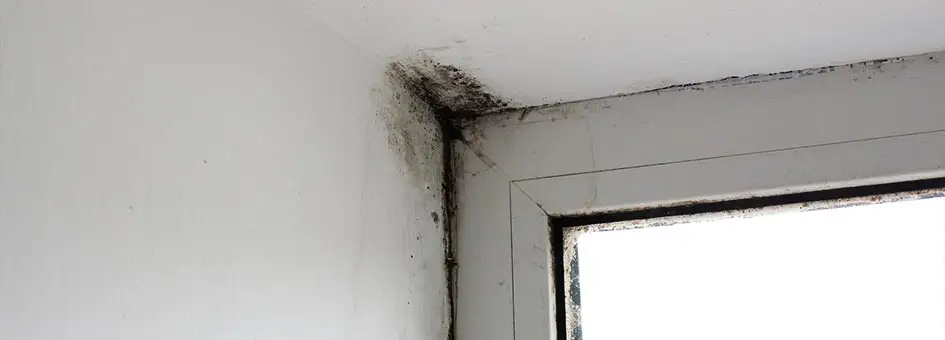
Poor ventilation is one of the most overlooked causes of mold problems in Merritt Island homes. Many homeowners focus on storms or plumbing leaks when mold appears, yet some of the most serious mold problems develop slowly due to trapped indoor moisture and inadequate airflow.
In Brevard County’s humid coastal climate, homes depend heavily on proper air circulation to stay dry. When ventilation systems fail or airflow is limited, moisture builds up quietly in walls, ceilings, and hidden spaces. Over time, this creates ideal conditions for mold growth.
Understanding the early warning signs and knowing when to schedule a professional mold inspection can help homeowners protect their property before small ventilation problems become costly repairs.
Understanding Mold Growth from Poor Ventilation
Ventilation allows moist air inside the home to escape and fresh air to circulate. Without proper airflow, humidity levels rise indoors, allowing moisture to settle on surfaces.
Common areas where poor ventilation leads to mold include:
- Bathrooms without working exhaust fans
- Kitchens with limited airflow
- Laundry rooms where dryers vent improperly
- Attics lacking airflow channels
- Crawl spaces with trapped humidity
- Closets or storage areas with poor circulation
When moisture lingers in these spaces, mold spores already present in the environment begin growing on drywall, wood, carpet, and insulation.
Unlike sudden flooding damage, ventilation problems develop gradually, making them harder to detect early.
Why Merritt Island Homes Face Ventilation Challenges
Homes across Merritt Island and nearby communities such as Cocoa Beach, Rockledge, and Satellite Beach experience constant humidity challenges. Even when no leaks are present, Florida’s climate allows moisture to build indoors quickly.
Several local factors contribute to ventilation-related mold growth:
- High year-round humidity levels
- Homes sealed tightly to maintain air conditioning efficiency
- Older homes with outdated ventilation systems
- Closed windows during hot months
- AC systems running continuously without fresh air intake
- Crawl spaces and attics trapping heat and moisture
Homes located near water or coastal areas face even greater humidity exposure, making proper ventilation especially important.
Early Warning Signs Homeowners Should Watch For
Mold problems caused by poor ventilation often show subtle signs first. Many homeowners overlook these clues until visible mold appears.
Common early warning signs include:
- Persistent musty odors in certain rooms
- Damp or sticky indoor air
- Condensation on windows or walls
- Mold spots appearing repeatedly in bathrooms
- Paint peeling or bubbling on walls or ceilings
- Dark stains forming near vents or corners
- Warped wood trim or baseboards
- Increased indoor allergy symptoms
These signs indicate moisture may be trapped indoors even when no leak is visible.
Hidden Areas Mold Often Develops
Ventilation-related mold growth frequently occurs out of sight. Professional inspections often reveal contamination in areas homeowners rarely check.
Common hidden mold locations include:
- Behind drywall in bathrooms or kitchens
- Inside attic insulation due to trapped heat
- Beneath carpets in humid rooms
- Inside closets along exterior walls
- Around AC ductwork in ceilings
- Crawl spaces with poor airflow
- Behind cabinets or storage areas
Because these spaces remain undisturbed, mold can spread for months before becoming visible.
Why DIY Mold Cleaning Doesn’t Solve Ventilation Issues
Homeowners sometimes attempt to clean mold using household products or store-bought cleaners. While this may remove visible staining temporarily, mold usually returns because the underlying moisture problem remains.
DIY cleaning often fails because:
- Ventilation problems continue allowing moisture buildup
- Mold exists behind surfaces
- Cleaning spreads spores into the air
- Materials remain damp beneath the surface
Without correcting airflow issues and removing hidden contamination, mold growth continues.
What Happens During a Professional Mold Inspection
A professional mold inspection identifies both mold presence and the moisture source causing growth.
A thorough inspection may include:
- Moisture testing of walls and floors
- Thermal imaging scans to locate hidden dampness
- Inspection of attic and crawl spaces
- Evaluation of ventilation systems
- HVAC and ductwork assessment
- Surface or air sampling when needed
Inspectors experienced in Merritt Island homes understand how local climate and construction influence ventilation problems.
Palm Bay Mold Removal frequently assists property owners throughout Merritt Island and surrounding Brevard County communities by identifying hidden ventilation-related mold issues before damage worsens.
Proper Mold Removal and Remediation Steps
Once mold and moisture sources are confirmed, remediation focuses on safe removal and prevention of future growth.
A professional remediation process typically includes:
- Isolation of affected areas
- Safe removal of contaminated materials
- Professional antimicrobial cleaning
- Structural drying and dehumidification
- Correction of ventilation problems
- Post-remediation moisture verification
Correcting airflow and humidity problems is essential to prevent mold from returning.
When Ventilation Problems Lead to Water Damage
In some homes, ventilation problems cause condensation buildup that leads to structural moisture damage.
Common results include:
- Ceiling staining from trapped attic moisture
- Wet insulation reducing energy efficiency
- Damp drywall weakening over time
- Warped flooring from persistent humidity
Water damage restoration may be needed alongside mold remediation when materials remain damp for extended periods.
How HVAC Systems and Air Ducts Contribute
Air conditioning systems are meant to reduce humidity, but when ducts leak or airflow is restricted, moisture problems can worsen.
Signs HVAC systems may be contributing include:
- Musty smells when AC runs
- Uneven airflow between rooms
- Excess humidity indoors
- Condensation around vents
Air duct cleaning and ventilation adjustments often improve indoor air quality while reducing mold risks.
Preventing Mold from Poor Ventilation
Prevention is far less costly than remediation. Homeowners can reduce mold risks by improving airflow and humidity control.
Helpful preventive measures include:
- Installing or repairing bathroom exhaust fans
- Venting dryers properly outdoors
- Maintaining HVAC systems annually
- Using dehumidifiers during humid seasons
- Improving attic and crawl space airflow
- Opening interior doors to improve circulation
- Scheduling moisture inspections periodically
Homes that maintain proper ventilation rarely experience recurring mold issues.
Why Local Knowledge Matters
Homes in Merritt Island and surrounding Brevard County communities face unique coastal humidity challenges. Restoration methods effective in other regions may not work as well in Florida’s environment.
Professionals familiar with local building practices and weather patterns can more accurately identify moisture risks and provide practical solutions.
Palm Bay Mold Removal regularly works with homeowners across Merritt Island, Melbourne, Rockledge, and nearby areas, applying solutions suited to Florida’s climate conditions.
A Practical Next Step for Homeowners
If your home shows signs of persistent humidity, odors, or recurring mold spots, scheduling a mold inspection can help identify ventilation issues early.
Addressing moisture problems quickly protects your home’s structure and prevents costly future repairs. Taking action early allows Merritt Island homeowners to maintain healthier, more comfortable living environments year-round.