
How Indoor Air Quality Improvement Helps Homes in Cocoa Beach after Hurricanes
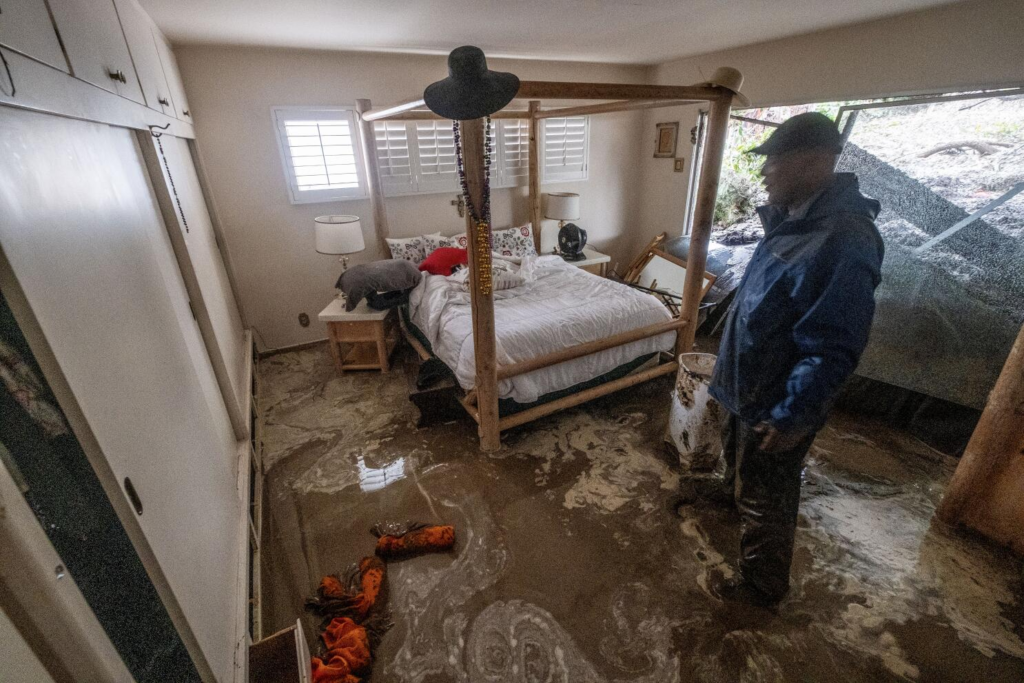
Hurricanes and tropical storms are part of life along Florida’s coast, and Cocoa Beach homeowners understand the importance of preparing their homes before storm season arrives. However, many problems begin after the storm passes, especially when moisture and humidity linger inside homes.
One of the most overlooked consequences of hurricanes is declining indoor air quality. Floodwater intrusion, roof leaks, storm-driven rain, and prolonged humidity can leave homes damp long after visible water is gone. When indoor air quality drops, homeowners often notice persistent odors, breathing discomfort, and mold growth that continues spreading quietly.
Understanding how indoor air quality improvement works after hurricanes helps homeowners restore comfort and prevent long-term damage in Cocoa Beach and nearby communities like Merritt Island, Satellite Beach, Melbourne, and Rockledge.
What Happens to Indoor Air After Hurricanes
After hurricanes, homes often trap moisture inside walls, floors, and ceilings. Even when flooding appears minor, damp materials can remain wet for days or weeks.
Storm conditions typically bring:
- Roof or window leaks
- Storm surge or flooding
- AC system shutdowns
- High indoor humidity
- Water intrusion through doors or walls
- Wet insulation and drywall
When moisture remains indoors, it changes air quality quickly. Mold spores, bacteria, and stale air circulate through HVAC systems, spreading contamination across the home.
This is why many Cocoa Beach homeowners notice musty odors or allergy-like symptoms after storms even if no visible damage remains.
Why Indoor Air Problems Are Common in Cocoa Beach Homes
Cocoa Beach homes face unique environmental challenges. Coastal humidity remains high throughout the year, and hurricane season adds even more moisture stress.
Several factors make homes vulnerable after storms:
- High outdoor humidity slows indoor drying
- Salt air increases corrosion and AC wear
- Homes remain closed up during evacuation or storms
- Flooding can seep under doors or foundations
- AC systems may not run during power outages
When ventilation is poor or homes remain sealed up, moisture stays trapped indoors. Without proper drying and air quality improvement, mold growth often follows.
Homes across Titusville, Viera, and Merritt Island face similar conditions after tropical weather events.
Signs Indoor Air Quality Has Declined After a Hurricane
Many homeowners notice subtle warning signs first. These signs often appear days or weeks after the storm.
Common signs include:
- Persistent musty smells
- Damp or sticky indoor air
- Increased dust buildup
- Mold spots appearing on walls or ceilings
- Allergy symptoms indoors
- Condensation on windows
- Lingering odors from carpets or furniture
Tenants and homeowners sometimes assume these issues will disappear naturally, but poor air quality usually worsens without corrective action.
Hidden Sources of Post-Storm Air Contamination
Air quality problems are not always visible. Mold and moisture often remain hidden in areas homeowners rarely inspect.
Common hidden sources include:
- Wet insulation inside walls
- Damp attic materials after roof leaks
- Moisture trapped beneath flooring
- Mold inside HVAC ducts
- Crawl space humidity
- AC drain line backups
- Water damaged carpets and padding
Hurricane-driven rain frequently enters areas unnoticed, and over time mold spreads through these concealed spaces.
Professional inspections frequently uncover contamination long after homeowners believe cleanup is complete.
Why DIY Cleanup Often Fails to Fix Air Quality
After storms, many homeowners dry floors and surfaces themselves. While this helps initially, it rarely solves deeper air quality problems.
DIY cleanup usually misses:
- Moisture behind walls
- Mold inside ducts
- Wet insulation
- Damp subfloors
- Hidden humidity pockets
Household fans or rental equipment lack the power needed for complete drying, especially in Florida humidity.
Without proper moisture detection and air treatment, mold spores continue circulating through the home.
How Professional Indoor Air Quality Improvement Works
Professional restoration teams approach air quality improvement as a whole-home process rather than simple cleaning.
Typical improvement steps include:
- Detailed moisture inspection
- Removal of contaminated materials
- Professional drying and dehumidification
- Air duct inspection and cleaning
- HEPA air filtration
- HVAC system moisture correction
- Odor removal treatment
The goal is to eliminate both moisture and airborne contaminants so air remains clean long after restoration is complete.
Local specialists familiar with Cocoa Beach conditions understand how coastal weather affects moisture behavior inside homes.
Palm Bay Mold Removal frequently assists homeowners dealing with post-storm moisture and air quality concerns throughout Brevard County.
The Role of HVAC and Air Duct Systems After Hurricanes
HVAC systems often become part of the problem after storms. When moisture enters ducts or air handlers, mold growth can spread quickly.
Warning signs include:
- Musty smells when AC runs
- Dust or debris near vents
- Uneven airflow
- Rooms feeling damp
- Increased humidity indoors
Cleaning ducts and correcting moisture issues inside HVAC systems can dramatically improve air quality.
Homes near the coast often require duct cleaning and system inspections after major storms.
Flood Restoration and Moisture Control
Indoor air quality improvement often connects directly to flood restoration efforts. Even small flooding events can leave moisture inside structural materials.
Restoration teams commonly perform:
- Water extraction
- Structural drying
- Carpet and padding treatment
- Wall and insulation drying
- Dehumidification of entire living spaces
Homes in Satellite Beach and surrounding coastal areas frequently need both flood restoration and air quality improvement after hurricanes.
Acting quickly prevents mold from spreading and reduces long-term repair costs.
Preventing Air Quality Problems After Future Storms
Homeowners can reduce risks with preventive steps before and after hurricane season.
Helpful actions include:
- Annual AC system maintenance
- Inspecting roofs and windows
- Clearing gutters and drainage systems
- Installing proper ventilation
- Using dehumidifiers after storms
- Scheduling moisture inspections after flooding
- Addressing leaks immediately
Homes that dry quickly after storms experience fewer mold and air quality problems.
Why Local Experience Matters in Coastal Restoration
Coastal communities like Cocoa Beach face challenges different from inland areas. Salt air, storm surge risk, and constant humidity require restoration strategies tailored to the region.
Professionals familiar with local construction styles and weather patterns detect hidden risks faster and provide more effective solutions.
Palm Bay Mold Removal works throughout Cocoa Beach and surrounding Brevard County communities, applying restoration practices suited to Florida’s climate.
A Practical Step for Homeowners After a Storm
If your home experienced flooding, leaks, or lingering damp conditions after a hurricane, scheduling an indoor air quality inspection is a smart next step.
Improving indoor air quality not only protects the home’s structure but also restores comfort and livability.
Addressing moisture and air contamination early helps Cocoa Beach homeowners prevent long-term mold and damage issues, keeping homes safer and healthier after storm season passes.