
Mold Inspection Services in Melbourne After Flooding: Early Signs You Should Not Ignore
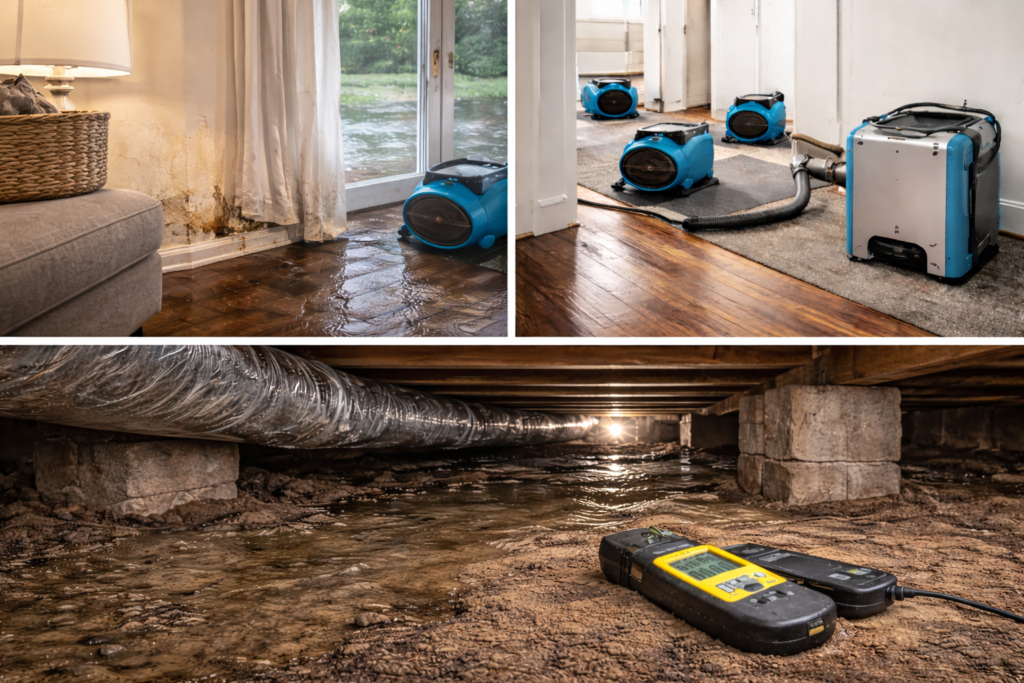
Melbourne, Florida, experiences seasonal storms, heavy rains, and occasional flooding that can impact homes and rental properties alike. Flooding is a common trigger for hidden moisture issues, which in turn can lead to mold growth if left untreated. For homeowners and property managers, understanding the importance of professional mold inspection, recognizing early warning signs, and taking preventative measures is essential for protecting property value, health, and long-term structural integrity. This guide provides professional insights into mold inspection services in Melbourne, Viera, Merritt Island, Cocoa Beach, Rockledge, West Melbourne, Satellite Beach, Titusville, and surrounding Brevard County communities.
Understanding the Connection Between Flooding and Mold
After a flood, water can infiltrate various areas of a home:
- Crawl spaces and basements – Low-lying areas often retain water longer, providing an ideal environment for mold spores.
- Walls and ceilings – Water can seep behind drywall or plaster, saturating insulation and wooden framing.
- Attics – Roof leaks from storms can saturate insulation, rafters, and ceiling boards.
- HVAC systems – Flood-related moisture or condensation can lead to mold growth in ductwork and around AC units.
Moisture left unchecked creates an environment where mold can grow rapidly, sometimes within 24–48 hours. Early detection is crucial to minimize damage and avoid costly repairs.
Why Professional Mold Inspection Is Important
DIY mold detection often misses hidden growth, leading to ongoing damage and health concerns. Professional mold inspections provide:
- Comprehensive assessment – Experts use moisture meters, infrared cameras, and hygrometers to detect both visible and hidden mold.
- Accurate identification – Professionals identify specific mold types, including black mold (Stachybotrys), which may require specialized remediation.
- Contamination evaluation – Inspections determine whether mold is localized or widespread, guiding remediation efforts.
- Documentation for insurance – Detailed inspection reports can support insurance claims after flood events.
In Melbourne, working with a local company ensures inspections account for Florida’s high humidity, seasonal storms, and common building materials.
Early Signs of Mold After Flooding
Property owners should be aware of both visible and subtle indicators of mold growth:
- Musty odors – Persistent smells in closets, attics, crawl spaces, or basements often indicate hidden mold.
- Discoloration or staining – Yellow, brown, or black stains on walls, ceilings, or flooring.
- Warping or peeling surfaces – Wood, drywall, and paint may bubble, warp, or peel when exposed to moisture.
- Allergic reactions – Sneezing, coughing, or respiratory irritation in tenants may signal mold presence.
- Condensation buildup – Persistent moisture on windows, pipes, or HVAC vents.
Even small, overlooked signs can indicate underlying moisture problems that may escalate quickly.
Hidden Sources of Mold Growth
Mold often develops in areas that are not immediately visible:
- Behind walls and baseboards – Water trapped in cavities can support hidden mold growth.
- Under flooring – Hardwood, laminate, and carpet can retain water long after flooding.
- HVAC ductwork – Moisture in vents or air conditioning systems can circulate spores throughout the home.
- Attic insulation – Roof leaks or condensation can saturate insulation without visible signs.
Professional inspections can detect these hidden sources before mold becomes extensive.
Why DIY Mold Testing Often Fails
Homeowners may attempt mold testing using over-the-counter kits or visual inspection alone. Limitations include:
- Incomplete sampling – DIY kits often only test surface mold, missing hidden growth.
- Misidentification – Non-professionals may mistake harmless discoloration for mold or overlook toxic strains.
- No moisture assessment – Identifying mold without addressing the source of moisture does not prevent recurrence.
Professional services combine testing, moisture detection, and expert analysis to ensure accurate results and effective remediation planning.
The Mold Inspection Process
A professional mold inspection in Melbourne typically includes:
- Initial visual assessment – Examining walls, ceilings, flooring, and attic or crawl spaces for water damage and mold.
- Moisture mapping – Using meters and infrared cameras to detect moisture in walls, floors, and hidden cavities.
- Sampling and testing – Collecting air and surface samples to identify mold types and contamination levels.
- Duct and HVAC evaluation – Checking air ducts, filters, and AC units for moisture or mold growth.
- Report and recommendations – Providing a detailed report with findings, severity levels, and remediation steps.
This systematic approach ensures all areas are assessed and treated appropriately.
Remediation and Flood Recovery
Once mold is detected after flooding, professional remediation involves:
- Water removal and drying – Extracting standing water and using dehumidifiers to reduce moisture.
- Material removal – Removing damaged drywall, insulation, and flooring as needed.
- Sanitization – Applying antimicrobial treatments to affected areas.
- Air duct and HVAC cleaning – Ensuring no mold spores remain in ventilation systems.
- Repair and restoration – Replacing materials and restoring the home to pre-flood condition.
Proper remediation prevents mold recurrence and ensures the property remains safe for tenants.
Preventing Mold in Melbourne Homes
Long-term prevention requires proactive measures:
- Regular maintenance – Inspect roofs, gutters, and plumbing systems for leaks.
- AC and ventilation care – Clean and maintain ducts and condensation pans.
- Proper drainage – Ensure landscaping and grading direct water away from foundations.
- Crawl space and attic protection – Install vapor barriers and ensure adequate ventilation.
- Prompt water damage response – Address leaks and flooding immediately to prevent mold growth.
These steps reduce moisture accumulation and minimize mold-related problems.
Local Expertise Matters
Mold growth in Melbourne homes is influenced by Florida’s climate, humidity, and storm patterns. Working with local professionals ensures:
- Knowledge of common building vulnerabilities in Melbourne and surrounding communities
- Familiarity with local humidity, seasonal flooding, and typical storm impacts
- Expertise in remediation techniques for Florida’s climate and construction types
Palm Bay Mold Removal brings this local expertise to every inspection, helping homeowners and property managers protect their properties after flooding.