Warning Signs and Prevention: Black Mold Removal in Merritt Island After Flooding
Flooding in Merritt Island, Florida homes can create the perfect environment for black mold growth, especially in areas with high humidity and poor ventilation. Black mold (Stachybotrys chartarum) can appear within 24–48 hours after water exposure and poses serious health risks, structural damage, and property loss.
Homeowners must understand the warning signs, removal process, and preventive measures to effectively manage mold and protect their property. This guide provides a comprehensive overview for those dealing with post-flood mold issues.
Why Black Mold Is a Concern After Flooding
- Health Risks
- Black mold releases spores and mycotoxins that can cause respiratory issues, allergies, headaches, and in severe cases, chronic health problems.
- Structural Damage
- Persistent moisture leads to decayed wood, weakened drywall, and damaged insulation, compromising the home’s integrity.
- Indoor Air Quality
- Mold spores circulating in the air can worsen allergies and asthma, especially in children, elderly, or immunocompromised individuals.
- Financial Impact
- Delayed detection increases repair costs and may reduce property value.
- Insurance and Liability
- Documentation of mold remediation can be critical for insurance claims after flooding.
Common Causes of Black Mold Growth After Flooding
- Floodwater Intrusion
- Water entering basements, crawlspaces, or ground-level areas saturates building materials.
- Leaky Plumbing
- Broken pipes or faulty fixtures can create damp areas behind walls or under flooring.
- Storm Damage
- Roof or window leaks during hurricanes introduce moisture to ceilings, walls, and attics.
- High Humidity
- Merritt Island’s coastal climate creates favorable conditions for mold growth if moisture is not controlled.
- Poor Ventilation
- Limited airflow allows trapped moisture to persist, encouraging mold colonization.
Early Warning Signs of Black Mold
- Musty or Earthy Odors
- Persistent odors often indicate hidden mold growth behind walls, ceilings, or under flooring.
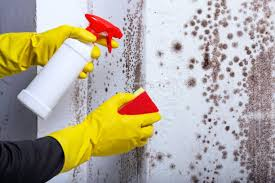
- Visible Black or Dark Green Spots
- Common on drywall, wood, carpets, and baseboards.
- Water Stains or Discoloration
- Yellow or brown marks on ceilings and walls suggest prolonged moisture exposure.
- Health Symptoms
- Sneezing, coughing, eye irritation, and respiratory discomfort indoors.
- Warping or Bubbling Surfaces
- Moisture-related damage to flooring, walls, or ceilings can indicate mold presence.
Step-by-Step Black Mold Removal Process After Flooding
Step 1: Safety Assessment
- Wear protective gear such as gloves, masks (N95 or higher), and eye protection.
- Seal off contaminated areas to prevent spore spread.
Step 2: Identify Affected Areas
- Inspect walls, ceilings, flooring, attics, crawlspaces, and HVAC systems.
- Use moisture meters and infrared cameras to detect hidden mold.
Step 3: Containment
- Seal off affected areas with plastic sheeting to prevent cross-contamination.
Step 4: Removal of Contaminated Materials
- Dispose of water-damaged drywall, insulation, carpets, and padding that cannot be salvaged.
Step 5: Cleaning and Disinfection
- Use EPA-approved antimicrobial cleaners to scrub surfaces.
- HEPA vacuums capture loose spores from floors, ducts, and vents.
Step 6: Drying and Dehumidification
- Employ fans, air movers, and dehumidifiers to eliminate residual moisture, which is critical for preventing regrowth.
Step 7: Repairs and Restoration
- Replace removed materials with mold-resistant drywall, insulation, and flooring.
- Repaint or seal surfaces to reduce future mold risk.
Step 8: Final Inspection
- Conduct a post-remediation inspection to ensure all mold has been removed and moisture levels are controlled.
Preventive Measures for Homeowners
- Prompt Flood Response
- Remove water and dry affected areas within 24–48 hours after flooding.
- Humidity Control
- Use dehumidifiers and maintain indoor humidity below 60%.
- Proper Ventilation
- Ensure airflow in bathrooms, kitchens, and crawlspaces.
- Routine HVAC Maintenance
- Clean ducts and replace filters to prevent mold spread.
- Seal Leaks and Gaps
- Repair roofing, plumbing, and window leaks immediately.
- Use Mold-Resistant Materials
- Consider mold-resistant drywall, insulation, and paint for flood-prone areas.
- Regular Monitoring
- Inspect attics, basements, and crawlspaces for moisture and mold growth periodically.
Benefits of Early Black Mold Removal
- Health Protection
- Minimizes exposure to allergens and toxic spores.
- Structural Preservation
- Prevents long-term damage to wood, drywall, and flooring.
- Improved Indoor Air Quality
- Reduces musty odors and airborne mold spores.
- Cost Savings
- Early intervention reduces extensive repair costs.
- Peace of Mind
- Ensures a safe, clean, and healthy living environment for homeowners and families.
Conclusion
Flooding in Merritt Island homes can quickly lead to black mold growth, which poses serious health, structural, and financial risks. Homeowners should look for warning signs like musty odors, visible mold, water stains, and respiratory symptoms.
Effective mold removal includes containment, removal of contaminated materials, cleaning, drying, and restoration. By implementing preventive measures—such as prompt water removal, humidity control, proper ventilation, and regular inspections—property owners can protect their health, preserve their home, and prevent future mold problems in a coastal and flood-prone environment.