
Palm Bay Carpet Cleaning After Flooding from Poor Ventilation: Complete Guide for Homeowners
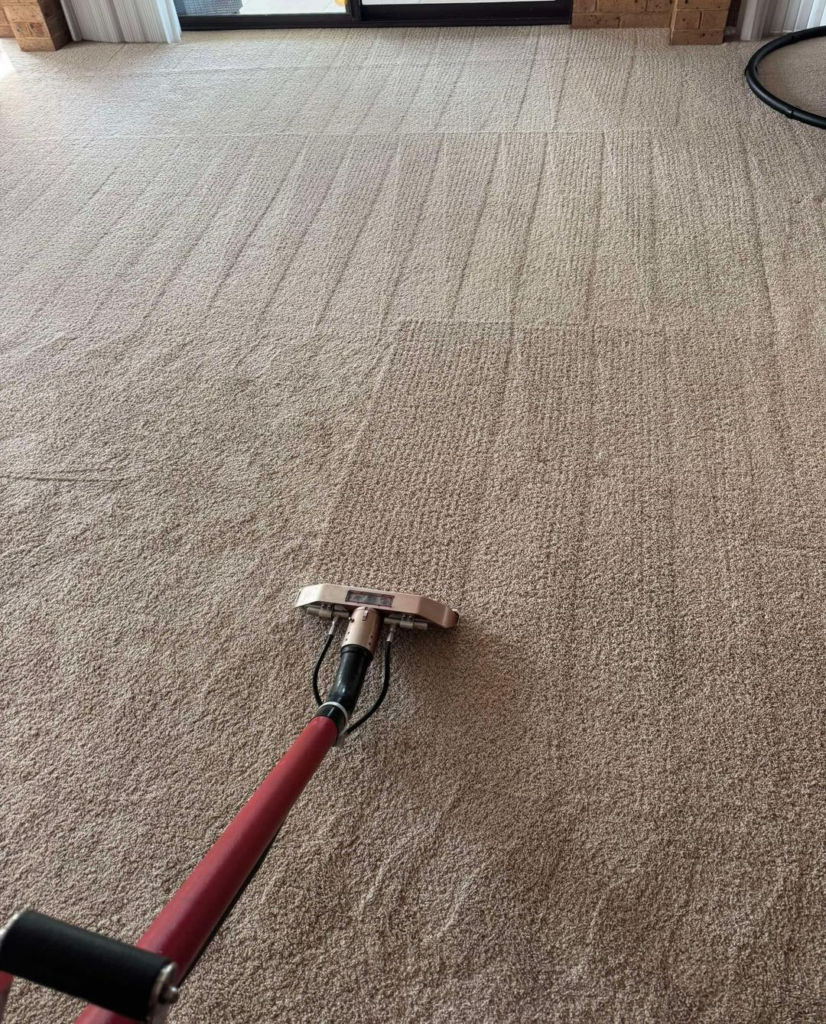
Flooding and excess indoor moisture are recurring problems for many homeowners in Palm Bay and surrounding Brevard County communities. While storms and plumbing failures often get the blame, poor ventilation inside homes frequently makes flooding damage worse — especially when it comes to carpets and flooring.
After a water intrusion event, many homeowners dry visible surfaces but overlook moisture trapped deep inside carpet padding and subflooring. Without proper cleaning and drying, lingering moisture can lead to odor problems, mold growth, and long-term structural damage.
Understanding how poor ventilation contributes to flooding damage — and knowing how proper carpet cleaning works afterward — helps Palm Bay homeowners protect their homes and avoid repeated issues.
What Happens to Carpets After Flooding
Carpets act like large sponges. When flooding occurs, water quickly soaks through carpet fibers into the padding and sometimes into the flooring below.
Even after surface water is removed, moisture often remains trapped underneath. In Florida’s humid climate, that moisture can take a long time to dry naturally.
If drying is incomplete, carpets may develop:
- Musty odors
- Discoloration
- Mold growth
- Fiber breakdown
- Permanent staining
- Warped or damaged subfloors
Floodwater may also contain dirt, bacteria, and debris, making professional cleaning necessary to fully restore the carpet.
Why Poor Ventilation Makes Flood Damage Worse in Palm Bay
Ventilation problems are common in homes throughout Palm Bay, Melbourne, Merritt Island, and surrounding communities.
Homes with poor airflow allow moisture to linger indoors, especially after storms or minor flooding events. When ventilation is insufficient:
- Humidity remains trapped inside
- Damp materials dry slowly
- Moisture spreads through walls and flooring
- Mold growth becomes more likely
Bathrooms, laundry rooms, closed-off bedrooms, and homes left vacant between tenants often experience airflow problems. In many cases, homeowners do not realize ventilation is an issue until moisture damage appears.
Signs Carpets Were Not Properly Dried After Flooding
After flooding, some homes appear dry on the surface while moisture remains hidden. Warning signs homeowners notice later include:
- Persistent musty smells
- Carpet feels slightly damp or cool
- Dark stains reappear after cleaning
- Increased allergy-like irritation indoors
- Carpet fibers separating or matting down
- Warping or squeaking floors underneath
In Palm Bay homes, these symptoms often develop weeks after the initial flooding, when trapped moisture begins affecting underlying materials.
Hidden Moisture Sources That Keep Carpets Wet
Flooding damage sometimes continues even after cleanup due to hidden moisture sources. Common overlooked causes include:
- Poor attic ventilation causing condensation
- HVAC condensation leaks
- Slab foundation moisture seepage
- Slow plumbing leaks
- Crawl space humidity entering living areas
- Improper AC drain line maintenance
Homes near coastal areas like Satellite Beach and Cocoa Beach experience additional moisture challenges due to salt air and elevated humidity.
Professional inspections often reveal that carpets remain damp not just from flooding, but from ongoing ventilation and moisture problems.
Why DIY Carpet Cleaning After Flooding Often Fails
Many homeowners rent carpet cleaning machines or use household fans after flooding. While this can help with surface cleaning, it rarely solves deeper problems.
DIY cleaning typically fails because:
- Padding underneath remains wet
- Drying equipment lacks sufficient power
- Moisture detection tools are not used
- Mold may already be developing below the surface
- Cleaning solutions do not remove contaminants fully
Without proper extraction and drying, moisture remains trapped, leading to odor and mold recurrence.
How Professional Carpet Cleaning After Flooding Works
Professional flood restoration teams follow a structured process to ensure carpets are safely cleaned and dried.
A typical professional process includes:
- Water extraction using commercial-grade equipment
- Moisture measurement of carpet and subfloor
- Removal of damaged padding if necessary
- Deep carpet cleaning and sanitization
- High-speed air movement and dehumidification
- Ongoing moisture monitoring
In some cases, severely contaminated or mold-damaged carpet may need removal to protect the home.
Professionals serving Palm Bay and nearby areas understand how Florida humidity impacts drying times and adjust restoration plans accordingly.
Flood Restoration and Structural Drying in Palm Bay Homes
Carpet cleaning alone is not enough after flooding. Surrounding materials must also be properly dried.
Flood restoration often includes:
- Drying walls and insulation
- Treating water-damaged baseboards
- Dehumidifying entire rooms
- Inspecting crawl spaces and attics
- Addressing water-damaged flooring structures
Homes across Rockledge, Titusville, and Viera frequently require full drying processes after seasonal storms.
Quick response reduces repair costs and prevents mold growth inside structural components.
The Role of AC Systems and Air Ducts in Moisture Problems
Air conditioning systems play a major role in moisture control throughout Palm Bay homes.
If AC systems develop issues such as clogged drain lines or poor airflow, moisture can accumulate inside walls or flooring.
Warning signs include:
- Indoor humidity staying high
- Musty smells when AC operates
- Condensation around vents
- Rooms that feel damp or uncomfortable
Cleaning ducts and repairing AC moisture issues often prevents future carpet damage after flooding.
Preventing Carpet Damage from Future Flooding
Preventive steps help homeowners reduce risks after heavy rains or indoor leaks.
Practical prevention tips include:
- Improve ventilation in bathrooms and laundry rooms
- Maintain AC systems annually
- Check roofs and gutters regularly
- Inspect plumbing connections
- Use dehumidifiers in humid seasons
- Address leaks immediately
- Schedule moisture inspections after storms
Homes in Palm Bay that maintain proper airflow and moisture control experience fewer repeated carpet problems.
Why Local Experience Makes a Difference
Flood and ventilation problems in Brevard County differ from those in other regions. Coastal humidity, storm patterns, and construction styles all influence how moisture behaves indoors.
Professionals familiar with Palm Bay, Merritt Island, and surrounding communities understand these conditions and can identify hidden moisture risks more effectively.
Palm Bay Mold Removal frequently assists homeowners dealing with flooding and moisture-related carpet problems, applying restoration methods suited to Florida’s climate.
A Smart Next Step for Homeowners
If your home has experienced flooding, indoor leaks, or persistent damp conditions, scheduling a professional inspection can prevent larger problems later.
Proper carpet cleaning and moisture correction protect flooring, indoor air quality, and the overall condition of your home.
Early action helps homeowners avoid recurring moisture problems and maintain healthier living spaces throughout Palm Bay and surrounding Brevard County communities.