
Mold Inspection in Merritt Island in Rental Properties: Early Signs You Should Not Ignore
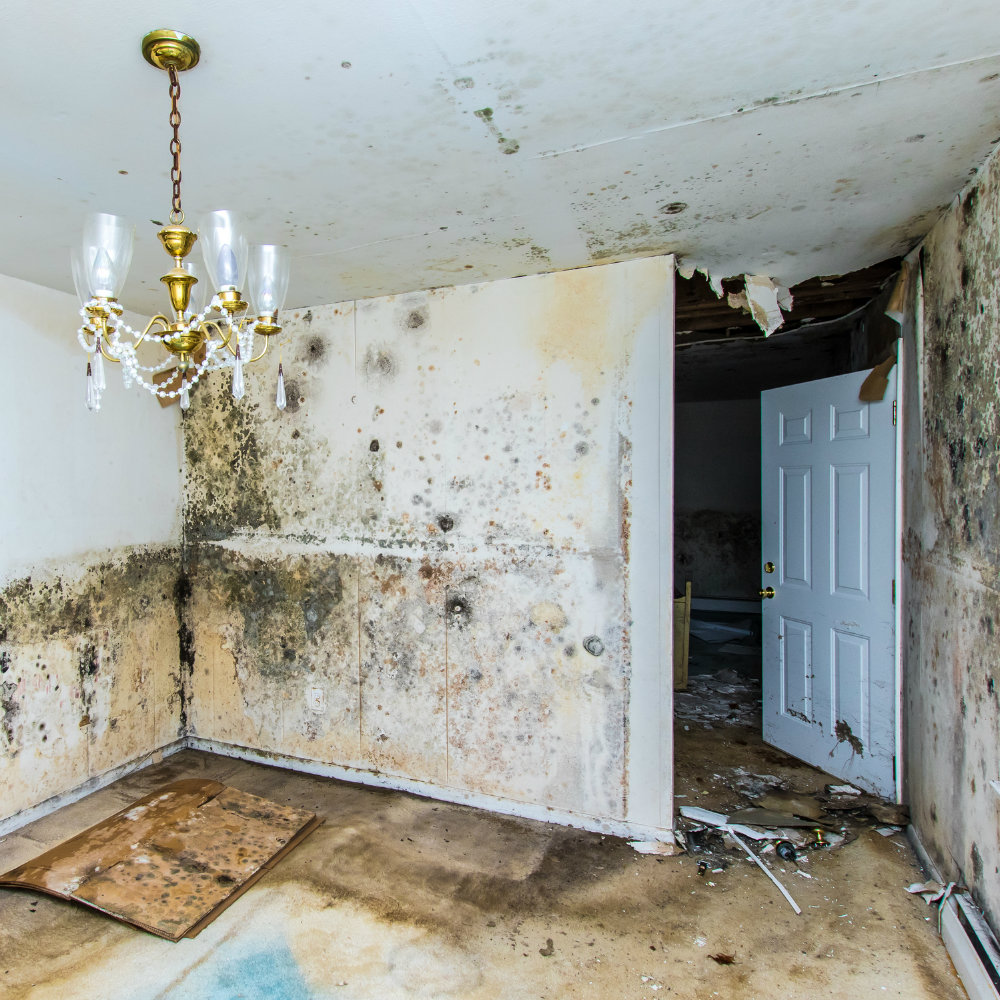
Rental properties across Merritt Island face unique challenges when it comes to moisture and mold. Between coastal humidity, seasonal storms, and frequent tenant turnover, conditions can easily allow hidden moisture problems to develop. Many landlords and tenants assume mold only becomes an issue after major flooding, but in reality, small and persistent moisture issues are often the real cause.
Early detection through proper mold inspection helps property owners avoid costly repairs while protecting the condition of the home. Tenants also benefit from addressing issues early before they spread or damage belongings.
Understanding how mold forms and knowing what signs to watch for can make a big difference in keeping rental homes safe and maintainable across Merritt Island and nearby communities like Cocoa Beach, Rockledge, Satellite Beach, and Melbourne.
What Mold Problems in Rental Homes Usually Look Like
Mold grows wherever moisture and organic materials combine. In rental homes, this often happens quietly in areas tenants or property managers rarely check.
Bathrooms, kitchens, laundry rooms, and HVAC systems are common locations. However, mold frequently develops inside walls, under flooring, or above ceilings where leaks or condensation persist unnoticed.
Rental properties are especially vulnerable because tenants may not report small leaks quickly, or issues can develop between tenant turnovers when homes sit vacant without air circulation or maintenance checks.
Why Mold Issues Happen So Often in Merritt Island
Merritt Island’s climate plays a major role. Warm temperatures and coastal humidity create ideal mold growth conditions throughout much of the year.
Frequent rainstorms, hurricane season flooding, and tropical moisture add even more risk. Many homes also have slab foundations or older ventilation systems that trap moisture indoors.
Air conditioning systems run constantly in Florida, and when units or ducts develop condensation problems, moisture spreads into walls, ceilings, or insulation. Rental homes sometimes receive less frequent HVAC maintenance, increasing the chance of hidden mold development.
These environmental factors mean mold problems are common across Merritt Island rentals and nearby Brevard County communities.
Common Early Signs Tenants and Landlords Notice
Early warning signs often appear subtly. Many tenants ignore them or assume they are harmless.
Some typical warning signs include:
• Musty or damp odors in certain rooms
• Dark or discolored spots on walls or ceilings
• Bubbling or peeling paint
• Warped baseboards or flooring
• Persistent humidity or condensation indoors
• Recurring bathroom or kitchen mold spots
• Increased allergy-like reactions indoors
In rental properties, signs sometimes become visible only when tenants move out and maintenance crews inspect the home. By then, mold may already be widespread.
Hidden Mold Sources Property Owners Often Miss
Not all mold appears where people expect. Inspections often reveal hidden moisture sources that have gone unnoticed for months.
Common overlooked areas include:
• Behind washing machines or refrigerators
• Under sinks with slow plumbing leaks
• Inside HVAC air handlers or ducts
• Under carpets after minor flooding
• Inside attic insulation from roof leaks
• Crawl spaces with poor ventilation
• Around AC drain lines or clogged condensate pans
Rental homes may experience minor plumbing or appliance issues that tenants do not immediately report, allowing moisture problems to grow.
Why DIY Mold Removal Usually Fails
Some landlords or tenants attempt to clean mold using store-bought sprays or bleach solutions. While this might remove visible stains temporarily, it rarely solves the root issue.
Mold usually grows beneath surfaces or inside porous materials like drywall, carpet, and insulation. Cleaning only the surface leaves mold spores behind, allowing growth to return.
Improper cleaning can also spread spores into other parts of the home. Without correcting moisture sources, mold problems tend to come back quickly.
Professional inspection focuses on locating both mold growth and the moisture source, ensuring proper remediation.
What Professional Mold Inspection and Testing Involves
A proper inspection goes far beyond visual checks. Experienced inspectors evaluate both visible and hidden moisture risks.
A thorough inspection typically includes:
• Moisture meter and thermal imaging scans
• Inspection of HVAC and duct systems
• Attic and crawl space evaluation
• Leak detection checks
• Surface and air quality sampling if needed
• Identification of moisture entry points
Inspection results help property owners understand whether mold is localized or spread throughout the property.
Local companies familiar with Merritt Island conditions, such as Palm Bay Mold Removal, understand common regional moisture patterns and construction styles, allowing more accurate detection.
How Proper Mold Remediation Is Performed
Once mold is confirmed, remediation focuses on safely removing contamination and preventing future growth.
Professional remediation typically includes:
• Isolation of affected areas to prevent spore spread
• Removal of contaminated materials when necessary
• Professional-grade cleaning and antimicrobial treatment
• Drying and dehumidification
• Correction of moisture sources
The goal is not only to remove mold but also to stabilize humidity levels and eliminate conditions that allow mold to return.
Rental properties benefit greatly from professional remediation since recurring problems can affect tenant retention and property value.
Flood Restoration and Water Damage Repair in Rentals
Flooding and storm damage are major concerns in Brevard County rental homes. Even minor flooding or plumbing leaks can create long-term mold risks.
Water damage restoration often includes:
• Emergency water removal
• Structural drying
• Carpet and flooring treatment
• Wall and insulation drying
• Odor control
• Damage repair
Fast response reduces long-term repair costs and helps rental homes return to occupancy faster.
Air Ducts, AC Systems, and Mold Growth
HVAC systems often hide mold problems in rental homes. Condensation buildup or clogged drain lines can introduce moisture into ducts and surrounding structures.
Signs of HVAC-related mold include:
• Musty smells when AC runs
• Uneven cooling or airflow
• Excess indoor humidity
• Visible dust or discoloration near vents
Air duct cleaning and AC moisture repairs can significantly reduce mold risks in rentals, especially in homes with frequent tenant turnover.
Preventing Mold Problems in Merritt Island Rentals
Preventive maintenance saves property owners money and reduces tenant complaints.
Helpful prevention strategies include:
• Annual HVAC maintenance
• Regular plumbing leak inspections
• Roof and gutter maintenance
• Proper ventilation in bathrooms and kitchens
• Routine moisture inspections between tenants
• Prompt response to tenant maintenance reports
Maintaining humidity below recommended levels is one of the most effective prevention steps in Florida homes.
Why Local Experience Matters
Homes in Merritt Island face environmental conditions different from inland areas. Salt air, coastal storms, humidity, and older building materials require local expertise.
Inspection and remediation professionals familiar with Brevard County housing patterns can better locate hidden risks and recommend long-term solutions.
Palm Bay Mold Removal works throughout Merritt Island and surrounding communities and understands how regional climate and construction affect mold growth in rental homes.
A Practical Next Step for Property Owners
If tenants report persistent odors, stains, or moisture concerns, or if a property has experienced leaks or flooding, scheduling a professional inspection is a smart preventive move.