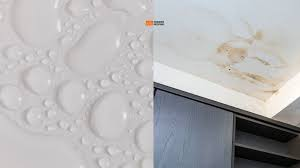
Costs, Causes, and Solutions: AC Mold Cleaning in Merritt Island After Roof Leaks
Roof leaks in Merritt Island, Florida, can lead to water intrusion into HVAC systems, creating the perfect environment for mold growth in air conditioning units. Mold in AC systems is not only a threat to indoor air quality but also can affect home health, energy efficiency, and structural integrity. Timely AC mold cleaning is essential to prevent long-term damage and health risks.
This guide explains the causes of mold in AC units after roof leaks, the costs involved in cleaning, and effective solutions and preventive strategies for homeowners.
Why AC Mold Cleaning Is Important After Roof Leaks
- Protects Indoor Air Quality
- Mold spores from AC systems circulate throughout the home, causing allergies, respiratory issues, and asthma flare-ups.
- Prevents Health Hazards
- Exposure to black mold or other microbial growth can lead to serious health complications for occupants.
- Maintains System Efficiency
- Mold buildup reduces airflow and forces the AC to work harder, increasing energy bills.
- Prevents Structural Damage
- Moisture from roof leaks can seep into ceilings, walls, and ducts, causing long-term water damage.
- Compliance and Property Value
- Regular mold cleaning ensures the home meets health standards and maintains resale value.
Common Causes of AC Mold Growth After Roof Leaks
- Roof Leaks
- Water enters the attic or ceiling and drips onto AC units or ductwork.
- Condensation Build-Up
- Excess moisture from AC operation or poor drainage combines with roof leaks to foster mold growth.
- Poor Ventilation
- Inadequate airflow in duct systems creates damp areas where mold can thrive.
- Clogged or Dirty Filters
- Dust and debris trap moisture and provide nutrients for mold.
- Standing Water or Drainage Problems
- Blocked condensate lines or pans increase the risk of microbial contamination.
Early Warning Signs of Mold in AC Systems
- Musty Odors
- Persistent odors coming from vents indicate microbial growth.
- Visible Mold
- Black, green, or white spots inside ducts or near the AC unit.
- Increased Allergies
- Tenants or family members experience frequent sneezing, coughing, or respiratory irritation.
- Reduced Airflow
- Mold buildup can restrict airflow, making rooms feel unevenly cooled or heated.
- Water Leaks or Moisture Near the Unit
- Signs of water pooling around the AC system indicate potential mold growth.
AC Mold Cleaning Process: Step-by-Step
Step 1: Safety Precautions
- Turn off the AC system and electricity.
- Use gloves, masks, and protective clothing to handle mold safely.
Step 2: Inspection
- Examine the AC unit, evaporator coils, condensate pan, and ductwork for mold and water damage.
Step 3: Mold Removal
- Use specialized cleaning agents and brushes to remove mold from coils, vents, and accessible duct areas.
- HEPA vacuums extract loose spores and debris from ductwork.
Step 4: Disinfection
- Apply EPA-approved antimicrobial solutions to prevent regrowth.
Step 5: Drying and Dehumidification
- Use fans or dehumidifiers to ensure all components and ducts are thoroughly dried.
Step 6: System Testing
- Restart the AC system and check airflow, temperature, and odors to confirm successful cleaning.
Step 7: Documentation
- Provide homeowners with a report of mold remediation for insurance or property records.
Costs of AC Mold Cleaning in Merritt Island
- Inspection Fees
- $100–$250 depending on system size and accessibility.
- Standard AC Mold Cleaning
- $300–$600 for cleaning coils, vents, and accessible duct areas.
- Extensive Mold Remediation
- $700–$1,500 or more for severe contamination involving full duct cleaning and system replacement.
- Preventive Maintenance
- Regular AC maintenance costs $100–$250 annually to prevent mold growth.
Note: Costs vary based on the size of the home, extent of mold growth, and local contractor rates.
Preventive Solutions for Homeowners
- Fix Roof Leaks Promptly
- Prevent water from reaching HVAC systems and ductwork.
- Regular AC Maintenance
- Clean or replace filters, check drainage, and inspect coils.
- Improve Ventilation
- Ensure proper airflow to minimize moisture accumulation in ducts.
- Install Dehumidifiers
- Reduce indoor humidity levels below 60% to prevent mold growth.
- Monitor for Moisture
- Use moisture sensors or visual inspections in attics, crawlspaces, and near the AC unit.
- Routine Professional Cleaning
- Schedule AC inspections and cleaning annually or after water incidents.
Benefits of Professional AC Mold Cleaning
- Healthy Indoor Environment
- Reduces allergens, bacteria, and mold spores in the air.
- Energy Efficiency
- Clean systems maintain proper airflow, reducing electricity costs.
- Structural Protection
- Prevents water and mold from spreading to ceilings, walls, and insulation.
- Peace of Mind
- Homeowners can be confident that their AC system is safe and mold-free.
- Insurance Support
- Professional documentation helps with claims related to roof leaks and water damage.
Conclusion
Roof leaks in Merritt Island homes can lead to dangerous mold growth in AC systems, affecting health, indoor air quality, and HVAC efficiency. Early recognition of musty odors, visible mold, or reduced airflow is critical for timely intervention.
Professional AC mold cleaning involves inspection, debris removal, antimicrobial treatment, and thorough drying. Coupled with preventive strategies such as regular maintenance, leak repair, ventilation improvement, and dehumidification, homeowners can protect their property, prevent future mold growth, and maintain a safe and healthy living environment.