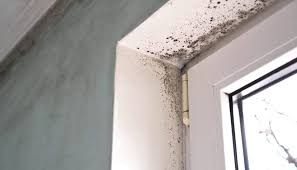
Titusville Moisture Detection in Coastal Homes: Early Signs You Should Not Ignore
Coastal homes in Titusville, Florida, face unique challenges due to high humidity, salt air, and frequent storms. These conditions make moisture intrusion a significant concern, affecting structural integrity, indoor air quality, and long-term property value. Early moisture detection is essential to prevent mold growth, water damage, and costly repairs.
This guide provides homeowners with practical insights on recognizing early warning signs, understanding the moisture detection process, and implementing preventive strategies for coastal homes.
Why Moisture Detection Is Vital for Coastal Homes
- Prevents Mold and Mildew
- Moisture trapped in walls, ceilings, or floors creates ideal conditions for microbial growth, which can harm occupants and property.
- Protects Structural Integrity
- Prolonged water exposure can weaken wood, drywall, and insulation, leading to structural deterioration.
- Maintains Indoor Air Quality
- Damp environments promote allergens and airborne spores that negatively affect respiratory health.
- Cost Savings
- Detecting moisture early prevents extensive repairs and reduces insurance claims complications.
- Preserves Property Value
- Maintaining dry, healthy interiors safeguards the home’s long-term marketability and resale value.
Common Causes of Moisture in Coastal Homes
- High Humidity and Salt Air
- Coastal climates create persistent moisture, which can penetrate walls, attics, and crawlspaces.
- Storm Damage
- Hurricanes and heavy rain can cause roof leaks, flooding, and water intrusion.
- Plumbing Issues
- Leaks from pipes, water heaters, or appliances often go unnoticed until damage is extensive.
- Poor Ventilation
- Kitchens, bathrooms, attics, and basements may trap moisture, promoting condensation and mold growth.
- Foundation and Window Leaks
- Cracks in the foundation or poorly sealed windows allow water to enter during storms or high tides.
Early Warning Signs of Moisture Problems
- Musty or Mildew Odors
- Persistent earthy smells indicate moisture accumulation behind walls or under flooring.
- Visible Water Stains
- Yellow, brown, or dark marks on ceilings, walls, or floors signal leaks.
- Warped or Peeling Surfaces
- Bubbling paint, wallpaper peeling, or sagging drywall often indicates moisture.
- Condensation
- Excess moisture on windows, pipes, or HVAC components may reveal hidden water problems.
- Increased Allergy or Respiratory Symptoms
- Sneezing, coughing, or irritation indoors may be linked to damp conditions or mold.
- Soft or Spongy Floors
- Flooring that feels uneven or unstable suggests water penetration in subfloors.
Step‑by-Step Moisture Detection Process
Step 1: Visual Inspection
- Examine walls, ceilings, floors, basements, crawlspaces, and attics for visible signs of moisture.
Step 2: Moisture Meter Assessment
- Use digital moisture meters to measure dampness levels in wood, drywall, and other building materials.
Step 3: Infrared Thermography
- Infrared cameras detect temperature differences caused by hidden moisture behind surfaces.
Step 4: Hygrometer Testing
- Measure relative humidity levels in rooms to identify areas prone to condensation or trapped moisture.
Step 5: Leak Identification
- Inspect plumbing, roof, windows, and foundation to locate the source of water intrusion.
Step 6: Documentation and Recommendations
- Record findings and provide guidance on repairs, drying solutions, or remediation strategies to prevent further damage.
Preventive Strategies for Coastal Homeowners
- Routine Roof and Gutter Maintenance
- Inspect and repair shingles, flashing, and gutters regularly to prevent storm-related leaks.
- Control Indoor Humidity
- Use dehumidifiers, air conditioning, and proper ventilation to maintain humidity below 60%.
- Seal Vulnerable Entry Points
- Waterproof basements, foundations, and windows to prevent water intrusion.
- Monitor Plumbing Systems
- Check pipes, valves, and appliances for leaks periodically.
- Install Moisture Sensors
- Place sensors in high-risk areas such as attics, crawlspaces, and near appliances.
- Prompt Response to Signs
- Address water stains, odors, or condensation immediately to prevent long-term damage.
Benefits of Early Moisture Detection
- Protects Health
- Prevents mold growth and reduces allergens indoors.
- Preserves Home Structure
- Avoids costly repairs by addressing water intrusion early.
- Energy Efficiency
- Dry homes maintain HVAC efficiency and reduce energy bills.
- Peace of Mind
- Ensures a safe, healthy living environment for occupants.
- Insurance Advantages
- Professional detection records support claims in case of storm or water damage.
Conclusion
Coastal homes in Titusville are particularly vulnerable to moisture-related problems due to the region’s humidity, storms, and salt air. Homeowners should watch for early warning signs such as musty odors, water stains, warped surfaces, and soft flooring.
Professional moisture detection—using visual inspections, moisture meters, infrared thermography, and humidity testing—helps identify hidden water intrusion before it escalates. Combined with preventive measures such as roof maintenance, humidity control, leak monitoring, and waterproofing, homeowners can protect their property, prevent mold growth, and maintain a safe, dry, and healthy home.