
How Indoor Air Quality Improvement Helps Homes in Palm Bay After Roof Leaks
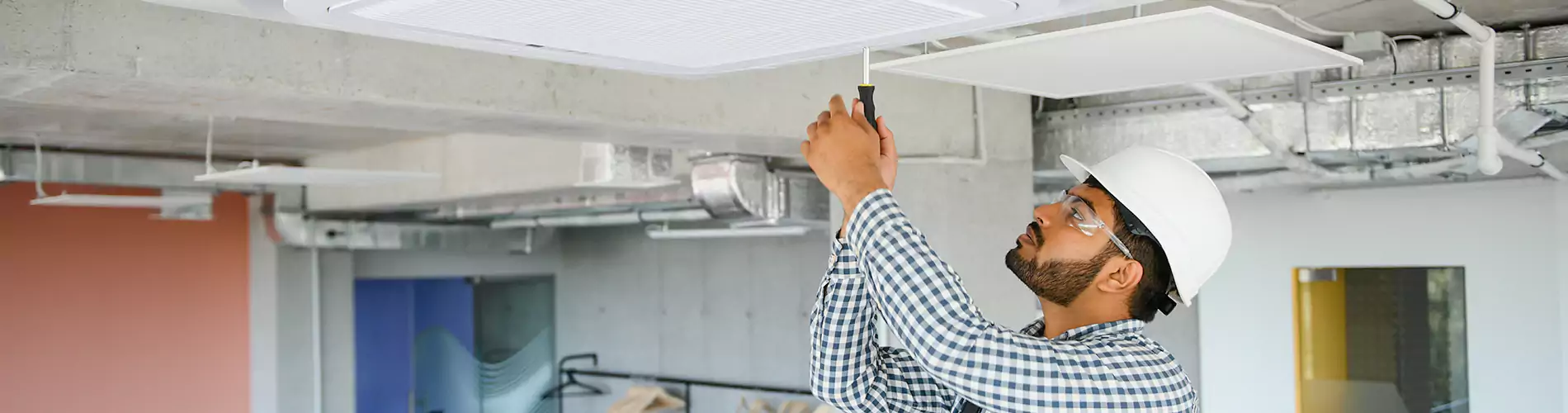
Homes in Palm Bay are particularly susceptible to indoor air quality issues after roof leaks. Florida’s frequent storms, heavy rainfall, and high humidity create ideal conditions for water infiltration, which can compromise both the structural integrity of homes and the health of occupants. When water enters through a damaged roof, it can saturate insulation, ceilings, walls, and HVAC systems, often resulting in mold growth and lingering indoor pollutants.
Improving indoor air quality after roof leaks is not just a matter of comfort—it is essential for health, safety, and long-term property preservation. This guide provides Palm Bay homeowners with a detailed overview of the causes, warning signs, professional inspection and remediation processes, and prevention strategies for indoor air quality issues after roof leaks.
Why Roof Leaks Threaten Indoor Air Quality
Roof leaks introduce water into areas of a home that are critical to air quality and structural safety:
- Attics and Ceilings: Water can soak insulation and drywall, creating hidden moisture pockets.
- HVAC Systems: Water intrusion into ducts or AC units can spread moisture and contaminants throughout the home.
- Walls and Floors: Saturated building materials can foster mold growth, which releases spores into the air.
- Attic Ventilation: Roof leaks may compromise proper airflow, contributing to damp, musty indoor conditions.
Even minor leaks left untreated can lead to long-term indoor air quality problems that affect comfort and health.
Common Signs of Indoor Air Quality Problems
After a roof leak, homeowners should monitor for the following warning signs:
- Persistent musty or damp odors
- Visible mold or mildew on ceilings, walls, or near vents
- Increased allergy or respiratory symptoms among household members
- Condensation on windows, vents, or ducts
- Peeling paint, stained ceilings, or warping drywall
- Unusual dust accumulation or discoloration in ductwork
Early detection allows for timely intervention, reducing the risk of widespread contamination.
The Indoor Air Quality Inspection Process
Professional indoor air quality (IAQ) inspections in Palm Bay typically follow a structured process:
1. Visual Assessment
- Inspect attic, ceilings, and roof areas for water entry points.
- Check for visible mold, water stains, or structural damage.
- Evaluate HVAC system for potential water intrusion or debris accumulation.
2. Moisture Detection
- Use moisture meters and thermal imaging to locate hidden dampness in walls, floors, and insulation.
- Identify areas at risk for mold growth.
3. Air Sampling
- Collect air samples from various rooms to measure mold spores, bacteria, and particulate matter.
- Identify areas with elevated airborne contaminants.
4. Surface Sampling
- Swab walls, ceilings, ducts, and HVAC components to test for microbial contamination.
- Determine the type and severity of mold or bacterial growth.
5. Comprehensive Reporting
- Provide homeowners with a detailed report of findings, including moisture levels, contamination areas, and recommendations for remediation.
- Documentation can support insurance claims for roof leaks or water damage.
Remediation and Indoor Air Quality Improvement
After identifying IAQ issues, professionals implement a multi-step remediation and improvement process:
Step 1: Water Removal and Drying
- Extract standing water from affected areas using industrial-grade equipment.
- Deploy dehumidifiers and air movers to remove moisture from ceilings, walls, and floors.
Step 2: Mold Remediation
- Remove or treat affected insulation, drywall, and other porous materials.
- Apply antimicrobial treatments to prevent mold regrowth.
Step 3: HVAC Cleaning
- Clean ducts, vents, and AC components to remove dust, mold spores, and contaminants.
- Replace filters with HEPA-grade or antimicrobial options for ongoing protection.
Step 4: Air Filtration and Ventilation
- Install portable or whole-house air purifiers to reduce airborne pollutants.
- Improve attic and room ventilation to maintain proper airflow and humidity levels.
Step 5: Restoration of Damaged Materials
- Replace damaged drywall, insulation, or carpeting.
- Repair ceilings and walls to prevent further moisture accumulation.
Benefits of Indoor Air Quality Improvement
- Health Protection: Reduces allergens, mold spores, and airborne bacteria that can trigger respiratory issues.
- Odor Control: Eliminates musty or damp smells caused by moisture and mold.
- Property Preservation: Prevents structural deterioration caused by prolonged water exposure.
- Energy Efficiency: Clean and properly maintained HVAC systems operate more efficiently.
- Peace of Mind: Provides homeowners with assurance that their indoor environment is safe and healthy.
Costs of Indoor Air Quality Improvement
Costs vary depending on the size of the home, severity of damage, and remediation needed:
- Inspection and Air Testing: $300–$800
- Mold Remediation for Small Areas: $1,500–$3,500
- Full HVAC Cleaning and Duct Remediation: $800–$2,500
- Extensive Repairs and Air Quality Upgrades: $5,000–$15,000+
Investing in professional IAQ services after a roof leak reduces long-term health risks and prevents recurring water damage.
Preventive Strategies for Palm Bay Homeowners
- Regular Roof Maintenance: Inspect shingles, flashing, and gutters to prevent leaks.
- Timely Repairs: Address minor leaks immediately to prevent water intrusion.
- HVAC Maintenance: Clean AC units, change filters, and ensure proper condensation drainage.
- Humidity Control: Maintain indoor humidity below 50% using dehumidifiers or AC systems.
- Insulation Checks: Ensure attic and wall insulation is dry and properly installed.
- Air Quality Monitoring: Use indoor air quality monitors to detect early signs of mold or contaminants.
Why Local Expertise Matters
Palm Bay homes face specific environmental challenges:
- Coastal humidity and storm exposure
- Older and newer home construction with varied insulation and duct layouts
- Frequent AC usage during hot summers
- Rapid mold growth after water intrusion
Local IAQ specialists understand these conditions and can tailor inspection, remediation, and preventive strategies to the unique needs of Palm Bay homes.
Post-Remediation Verification
After restoration:
- Moisture levels are rechecked in walls, ceilings, and HVAC systems.
- Air quality tests confirm that mold, spores, and contaminants have been eliminated.
- Homeowners are advised on ongoing monitoring and preventive measures to maintain healthy indoor air.
Final Thoughts
Roof leaks in Palm Bay can compromise indoor air quality by introducing moisture, mold, and airborne contaminants into homes. Addressing these issues promptly through professional inspection, water removal, mold remediation, HVAC cleaning, and ventilation improvements ensures a safe, healthy, and comfortable living environment.
By investing in local expertise, monitoring indoor conditions, and implementing preventive measures, homeowners can protect their property, safeguard the health of occupants, and minimize the long-term impact of roof leaks on their indoor air quality. Proper IAQ improvement after a roof leak is not just a repair—it is a proactive step toward maintaining a safe and resilient home environment in Palm Bay’s challenging coastal climate.