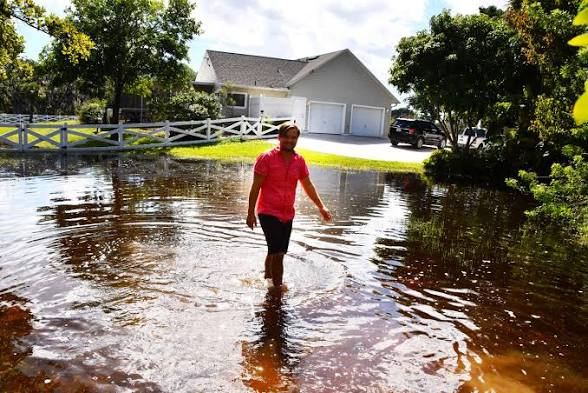
Merritt Island Emergency Water Removal After Water Damage: Professional Tips for Property Owners
Experiencing water damage in Merritt Island, Florida, can be a homeowner’s worst nightmare. Whether caused by heavy rainfall, plumbing failures, or hurricanes, water intrusion poses serious risks to property, structural integrity, and health. Quick and effective emergency water removal is essential to minimize damage, prevent mold growth, and restore a safe living environment.
This guide provides professional tips for property owners on how to respond to water damage, execute emergency water removal, and prevent future problems.
Why Emergency Water Removal Is Critical
- Prevents Mold and Mildew Growth
- Mold can start developing within 24–48 hours of water exposure, particularly in Florida’s humid climate.
- Protects Structural Integrity
- Standing water can warp floors, weaken walls, and damage ceilings if not removed promptly.
- Reduces Health Risks
- Water from floods or leaks may carry bacteria, allergens, and pathogens.
- Minimizes Property Loss
- Quick removal helps preserve furniture, electronics, flooring, and personal belongings.
- Supports Insurance Claims
- Professional documentation of water removal can streamline insurance coverage for damages.
Common Causes of Water Damage in Merritt Island Homes
- Heavy Rainfall and Hurricanes
- Flooding from storms often overwhelms drainage systems and enters homes.
- Plumbing Failures
- Burst pipes, leaks, and faulty appliances introduce significant water.
- Roof Leaks
- Damaged shingles or flashing allow water into ceilings and attics.
- HVAC or Appliance Malfunctions
- Water heaters, washing machines, and AC systems can leak into floors and walls.
- Foundation or Crawlspace Water Intrusion
- Poor drainage or blocked gutters can lead to water buildup under homes.
Early Warning Signs of Water Damage
- Standing Water
- Visible pooling in basements, bathrooms, or near appliances.
- Musty Odors
- Persistent earthy or mildew smells indicate moisture buildup.
- Warped or Discolored Surfaces
- Bubbling paint, peeling wallpaper, or warped flooring.
- Increased Humidity
- Rooms feel damp or sticky due to trapped moisture.
- Water Stains
- Yellow, brown, or dark streaks on walls, ceilings, or floors.
Step‑by-Step Emergency Water Removal Process
Step 1: Safety First
- Turn off electricity and gas in affected areas to prevent accidents.
- Avoid contact with contaminated water without proper PPE (gloves, boots, and masks).
Step 2: Identify the Water Source
- Locate the source of flooding or leak (burst pipe, roof leak, or appliance failure).
- Stop the water flow to prevent additional damage.
Step 3: Water Extraction
- Use pumps, wet/dry vacuums, and commercial-grade water removal equipment to remove standing water.
Step 4: Drying and Dehumidification
- Deploy air movers, fans, and dehumidifiers to remove residual moisture.
- Focus on hidden areas such as under flooring, behind walls, and in crawlspaces.
Step 5: Cleaning and Sanitizing
- Clean affected surfaces with EPA-approved disinfectants to eliminate bacteria and pathogens.
- Remove debris and sanitize personal items when possible.
Step 6: Moisture Monitoring
- Use moisture meters to ensure all areas are thoroughly dry and prevent mold growth.
Step 7: Structural Repairs
- Replace damaged drywall, flooring, or insulation.
- Repair plumbing, roofing, or HVAC issues that caused the water damage.
Preventive Tips for Property Owners
- Regular Maintenance
- Inspect roofs, gutters, plumbing, and HVAC systems periodically.
- Install Water Alarms
- Place sensors near basements, water heaters, and appliances to detect leaks early.
- Proper Drainage
- Ensure proper grading and drainage around the foundation to prevent water pooling.
- Seal Vulnerable Areas
- Waterproof crawlspaces, foundations, and walls to reduce flood risk.
- Maintain Emergency Equipment
- Keep pumps, wet/dry vacuums, and dehumidifiers ready for quick response.
- Professional Consultation
- Work with certified water restoration professionals for severe damage to ensure safe and effective removal.
Benefits of Professional Emergency Water Removal
- Health and Safety
- Minimizes exposure to bacteria, mold spores, and contaminated water.
- Efficient Damage Control
- Faster water removal reduces structural and personal property damage.
- Prevents Mold
- Thorough drying prevents microbial growth that can cause long-term problems.
- Insurance Assistance
- Documentation and professional assessment support claims processing.
- Peace of Mind
- Ensures that your home is restored safely and effectively after flooding.
Conclusion
Flooding or water damage in Merritt Island homes can escalate quickly, causing structural damage, mold growth, and health risks. Early recognition of warning signs such as standing water, musty odors, and warped surfaces is crucial.
Professional emergency water removal involves safety precautions, water extraction, drying, cleaning, and structural repairs to restore the home effectively. Combined with preventive measures, including regular maintenance, water alarms, proper drainage, and waterproofing, property owners can minimize future risks, maintain a healthy living environment, and protect their investments.