
mold Testing in Melbourne After Hurricanes: Warning Signs and Prevention
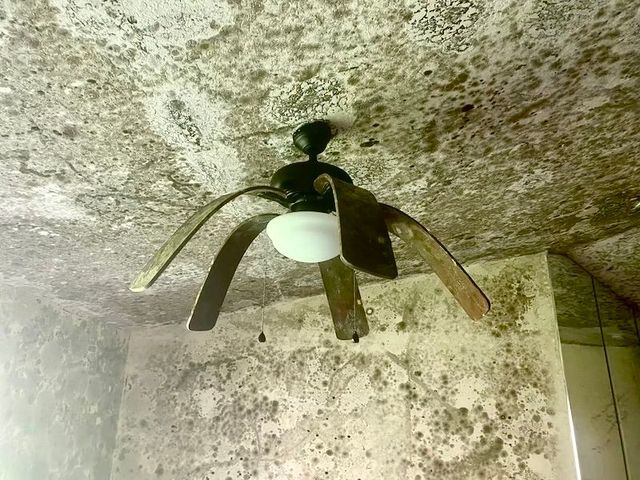
Homes in Melbourne are especially vulnerable to mold growth following hurricanes. The combination of heavy rainfall, high humidity, flooding, and roof or window damage creates an environment where mold can quickly develop, often hidden behind walls, under flooring, or in attics and crawl spaces. For homeowners, early mold detection through professional testing is critical to protect property value, maintain indoor air quality, and prevent structural damage.
This guide provides a detailed look at mold testing in Melbourne homes after hurricanes, covering causes, warning signs, inspection methods, prevention strategies, and the importance of local expertise.
Why Hurricanes Increase Mold Risks
Hurricanes bring several factors that contribute to mold growth:
- Flooding: Water intrusion from storm surge or heavy rain saturates walls, flooring, and insulation.
- Roof Leaks: Wind and debris can damage roofing, allowing water to seep into ceilings and attics.
- High Humidity: Even without visible flooding, prolonged indoor humidity creates favorable conditions for mold spores to multiply.
- AC and HVAC Damage: Units may malfunction or condense excessive moisture, increasing indoor dampness.
Mold can begin growing within 24–48 hours of water exposure, making prompt detection and action essential.
Common Warning Signs of Mold
Homeowners should watch for both visible and subtle indicators:
- Musty or earthy odors in living spaces
- Discoloration or staining on walls, ceilings, or baseboards
- Peeling or bubbling paint and wallpaper
- Warping of flooring or cabinetry
- Increased allergy or respiratory symptoms among occupants
- Condensation on windows or AC vents
Even small, isolated signs can indicate hidden mold that requires professional testing.
The Importance of Mold Testing
Professional mold testing confirms whether mold is present, identifies the species, and determines the extent of contamination. Key reasons for testing include:
- Safety: Protecting household members from respiratory or allergic reactions
- Accuracy: Detecting hidden mold that is not visible to the naked eye
- Insurance Claims: Providing documentation for hurricane-related damage
- Remediation Planning: Informing targeted cleanup and repair efforts
Mold Inspection and Testing Process
Professional mold testing in Melbourne typically involves several steps:
1. Visual Inspection
Technicians examine:
- Water-damaged areas from the hurricane
- Attics, crawl spaces, and basements
- HVAC systems and ductwork
- Plumbing areas, kitchens, and bathrooms
They document visible mold, water stains, and areas of concern.
2. Moisture Assessment
Moisture meters and thermal imaging cameras detect hidden dampness behind walls, under flooring, and within insulation.
3. Air Sampling
Air samples are collected to measure airborne mold spores. This helps identify unseen contamination and potential health risks.
4. Surface Sampling
Swabs or tape lifts from walls, floors, and other surfaces confirm the presence of mold and determine species.
5. Laboratory Analysis
Samples are analyzed to quantify mold levels and identify species, which informs remediation strategies.
6. Reporting
Homeowners receive a detailed report, including:
- Areas affected by mold
- Moisture readings
- Recommended remediation actions
- Safety considerations for occupants
Prevention and Remediation Strategies
Following hurricane damage, homeowners can take several steps to prevent mold growth:
1. Immediate Water Removal
- Extract standing water promptly from floors, carpets, and subfloors.
- Use industrial fans, dehumidifiers, and drying mats to lower moisture levels.
2. Proper Ventilation
- Open windows and doors when weather allows to improve airflow.
- Ensure HVAC systems are functioning correctly and ductwork is dry.
3. Material Removal
- Remove and replace water-damaged drywall, insulation, and carpeting that cannot be dried completely.
- Use antimicrobial treatments on salvageable materials to prevent mold growth.
4. Roof and Structural Repairs
- Repair leaks in roofs, windows, and siding to prevent recurring water intrusion.
- Seal cracks and gaps in the building envelope.
5. Monitor Humidity Levels
- Maintain indoor humidity below 50% with dehumidifiers or air conditioning.
- Consider hygrometers to track moisture trends in critical areas.
6. Regular Maintenance
- Inspect HVAC systems, plumbing, and roof structures regularly.
- Clean gutters, drains, and downspouts to prevent water accumulation.
Health Considerations
Mold exposure can lead to:
- Coughing, sneezing, and nasal congestion
- Eye and skin irritation
- Worsening asthma or allergies
- Respiratory infections in sensitive individuals
Professional testing and timely remediation reduce these health risks, ensuring a safer living environment after hurricane events.
Costs of Mold Testing and Remediation
Costs vary depending on home size, severity, and testing scope:
- Basic Mold Inspection: $300–$700
- Comprehensive Air and Surface Testing: $700–$1,500
- Remediation of Small Areas (less than 100 sq ft): $1,500–$3,500
- Extensive Remediation (multiple rooms, structural repair): $5,000–$20,000+
Investing in early testing reduces long-term expenses by preventing widespread mold damage.
Why Local Expertise Matters
Melbourne homes face specific environmental and structural conditions:
- Coastal humidity and seasonal storms
- Older homes with slab foundations or attic duct systems
- Frequent AC usage during hot, humid summers
- Common construction materials prone to moisture retention
Local mold professionals understand these factors and can provide accurate testing, effective remediation, and preventive guidance tailored to the area.
Post-Remediation Monitoring
Even after professional remediation, ongoing vigilance is important:
- Periodically check areas previously affected by mold
- Monitor indoor humidity with dehumidifiers and hygrometers
- Inspect HVAC systems for condensation or leaks
- Schedule routine professional inspections
Consistent monitoring ensures mold does not return and that indoor air quality remains safe.
Final Thoughts
Hurricanes in Melbourne create ideal conditions for mold growth, particularly when flooding, roof leaks, or AC condensation occurs. Mold testing is a critical step for homeowners to identify hidden contamination, protect health, and prevent structural damage.
By combining prompt water removal, thorough inspections, professional testing, and preventive strategies, homeowners can reduce mold risks and ensure their properties remain safe and habitable. Local expertise is key to navigating post-hurricane challenges, safeguarding property value, and maintaining a healthy home environment in Cocoa Beach’s unique coastal climate.