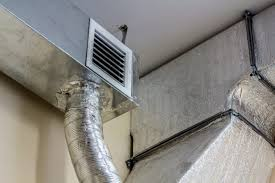
Early Signs You Should Not Ignore: Air Duct Cleaning in Titusville After Storm Damage
Storm damage in Titusville, Florida, can significantly affect residential and commercial HVAC systems, leading to clogged air ducts, mold growth, and reduced indoor air quality. Post-storm conditions such as flooding, leaks, and high humidity increase the risk of dust, debris, and microbial contamination in ductwork. Recognizing early warning signs of duct contamination and addressing them promptly can protect your home, improve air quality, and prevent costly repairs.
This guide provides key indicators, professional cleaning strategies, and preventive tips for Titusville homeowners.
Why Air Duct Cleaning Is Critical After Storm Damage
- Improves Indoor Air Quality
- Storms introduce dust, dirt, pollen, and contaminants into homes; these particles can accumulate in ducts.
- Prevents Mold and Mildew Growth
- Moisture from leaks or flooding creates ideal conditions for microbial growth inside HVAC systems.
- Enhances HVAC Efficiency
- Clogged ducts restrict airflow, forcing HVAC systems to work harder and increasing energy costs.
- Protects Health
- Reduces exposure to allergens, bacteria, and airborne pathogens circulating through the home.
- Prevents Long-Term Damage
- Timely duct cleaning protects ductwork, vents, and HVAC components from corrosion and decay.
Early Warning Signs Your Ducts Need Cleaning After Storms
- Musty or Moldy Odors
- Persistent odors in your home may indicate water intrusion or microbial growth inside ducts.
- Visible Dust or Debris
- Excessive dust around vents or registers is a sign of contamination.
- Allergy or Respiratory Issues
- Increased sneezing, coughing, or asthma attacks after storms can point to ductborne contaminants.
- Uneven Heating or Cooling
- Rooms feel warmer or cooler than others due to restricted airflow.
- Water Stains or Rust
- Signs of water infiltration on ducts or vent surfaces indicate storm damage.
- Rodent or Pest Evidence
- Droppings or nesting inside ductwork may occur after storm-related structural breaches.
Step‑by-Step Air Duct Cleaning Process
Step 1: Initial Inspection
- Professionals inspect ducts for dust accumulation, moisture, mold, and debris using cameras and visual assessments.
Step 2: Containment
- Seal off affected rooms to prevent contaminants from spreading during cleaning.
Step 3: Debris Removal
- Use industrial vacuum systems to extract dirt, debris, and sediment from ductwork.
- Agitation tools loosen stubborn buildup.
Step 4: Mold and Contaminant Treatment
- Apply EPA-approved antimicrobial and antifungal cleaners if mold or bacterial contamination is detected.
Step 5: Drying and Airflow Restoration
- Utilize industrial fans, air movers, and dehumidifiers to remove residual moisture.
- Ensure proper airflow is restored throughout the HVAC system.
Step 6: Post-Cleaning Inspection
- Reinspect ducts to confirm all debris, moisture, and microbial growth have been removed.
- Test airflow and verify system efficiency.
Preventive Measures for Homeowners in Titusville
- Schedule Regular HVAC Maintenance
- Annual inspections and duct cleaning help reduce post-storm contamination risks.
- Control Indoor Humidity
- Use dehumidifiers or air conditioners to keep moisture levels below 60%.
- Seal and Protect Ductwork
- Proper sealing prevents water, dust, and debris from entering ducts during storms.
- Monitor Warning Signs
- Address musty odors, visible debris, or unusual airflow immediately.
- Prompt Flood and Leak Response
- Remove standing water, dry affected areas, and repair leaks to prevent contamination.
Benefits of Professional Duct Cleaning After Storms
- Health Protection
- Reduces allergens, mold spores, and bacteria circulating through your home.
- Enhanced Comfort
- Restores consistent heating and cooling throughout the house.
- Energy Efficiency
- Clean ducts improve airflow, reducing HVAC energy consumption.
- Prevention of Long-Term Damage
- Protects ductwork and HVAC components from corrosion and decay.
- Peace of Mind
- Ensures your home is safe, healthy, and free from post-storm contaminants.
Conclusion
Storm damage in Titusville homes can compromise HVAC systems, leaving ducts clogged with debris, moisture, and microbial contaminants. Homeowners should be alert to early warning signs, including musty odors, uneven airflow, and visible debris.
Professional air duct cleaning after storms involves inspection, debris removal, microbial treatment, drying, and post-cleaning verification to restore a safe and healthy indoor environment. By combining cleaning with preventive strategies—humidity control, duct sealing, and routine HVAC maintenance—residents can protect indoor air quality, maintain HVAC efficiency, and minimize long-term storm-related damage.