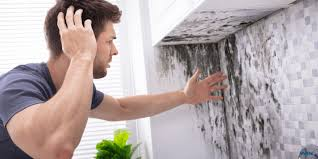
Viera Black Mold Removal in Residential Homes: Inspection and Repair Guide
Black mold in residential homes is a common problem in Viera, Florida, due to the area’s high humidity, frequent rainfall, and aging homes. Black mold (Stachybotrys chartarum) not only causes health risks such as respiratory problems, allergies, and asthma, but it can also compromise structural integrity if left untreated. Homeowners need a comprehensive understanding of inspection, removal, and repair processes to protect their property and family.
This guide provides a detailed walkthrough of how to detect, remove, and prevent black mold in Viera homes.
Why Black Mold Appears in Residential Homes
- High Humidity
- Florida’s humid climate creates the perfect environment for mold growth, especially in bathrooms, kitchens, and attics.
- Water Leaks
- Roof leaks, plumbing failures, or flooding can introduce moisture behind walls and under flooring.
- Poor Ventilation
- Inadequate airflow traps moisture inside the home, promoting mold development.
- Aging Building Materials
- Older drywall, wood, and insulation are more porous, retaining moisture longer.
- Neglected Maintenance
- Unaddressed minor leaks, condensation, or damp spots can escalate into significant mold infestations.
Warning Signs of Black Mold
- Musty Odors
- Persistent, earthy smells in closets, bathrooms, or near HVAC vents.
- Visible Mold
- Black or greenish-black spots on walls, ceilings, floors, or around windows.
- Discoloration or Stains
- Yellow, brown, or dark stains on walls, wallpaper, or flooring.
- Health Symptoms
- Allergies, coughing, sneezing, or respiratory irritation indoors.
- Warping or Peeling Surfaces
- Paint bubbles, peeling wallpaper, or soft walls indicate moisture behind surfaces.
- Condensation or Dampness
- Frequent water droplets on windows or walls point to humidity problems that can lead to mold.
Step‑by-Step Black Mold Inspection Process
Step 1: Visual Inspection
- Examine walls, ceilings, bathrooms, kitchens, and attics for discoloration or water damage.
- Check areas prone to leaks or poor ventilation.
Step 2: Moisture Measurement
- Use moisture meters to detect hidden water in walls, floors, and ceilings.
Step 3: Air Quality Testing
- Conduct spore counts and mold sampling to assess contamination levels.
Step 4: Identify the Source
- Locate leaks, condensation points, or water intrusion that may be feeding mold growth.
Step 5: Document Findings
- Take photographs, record affected areas, and note moisture levels for remediation planning and insurance purposes.
Step‑by-Step Black Mold Removal and Repair
Step 1: Containment
- Seal off the affected area with plastic sheeting and negative air pressure systems to prevent spore spread.
Step 2: Personal Protective Equipment (PPE)
- Wear gloves, masks, goggles, and protective clothing to avoid exposure.
Step 3: Removal of Contaminated Materials
- Porous items like drywall, insulation, carpet, and ceiling tiles often require removal.
- Non-porous surfaces such as wood, metal, and glass can be cleaned and disinfected.
Step 4: Cleaning and Disinfection
- Apply EPA-approved antifungal and antimicrobial solutions to affected areas.
- Scrub and wipe surfaces to remove mold colonies completely.
Step 5: Drying
- Use industrial fans, air movers, and dehumidifiers to eliminate moisture.
- Monitor humidity levels to ensure areas are thoroughly dry.
Step 6: Structural Repairs
- Replace removed materials, patch walls, repaint, and restore flooring.
- Repair plumbing, roofing, or HVAC issues to prevent future mold growth.
Step 7: Post-Remediation Verification
- Conduct follow-up mold testing and inspections to ensure the home is safe and spore-free.
- Document results for homeowner records or insurance claims.
Preventive Measures for Viera Homeowners
- Control Humidity
- Maintain indoor humidity below 60% using air conditioners or dehumidifiers.
- Prompt Leak Repair
- Fix plumbing, roof, or appliance leaks immediately to prevent moisture accumulation.
- Improve Ventilation
- Ensure bathrooms, kitchens, attics, and crawlspaces have adequate airflow.
- Routine Inspections
- Regularly inspect basements, attics, and behind appliances for signs of water or mold.
- HVAC Maintenance
- Clean and maintain ducts, coils, and drip pans to prevent condensation-related mold growth.
- Seal Entry Points
- Repair cracks in foundations, walls, and roofing to block water intrusion.
Benefits of Professional Black Mold Removal
- Protects Health
- Reduces exposure to allergens, bacteria, and toxic mold spores.
- Preserves Home Structure
- Prevents deterioration of walls, flooring, and ceilings.
- Improves Indoor Air Quality
- Removes harmful particles and ensures breathable air.
- Cost Savings
- Early remediation avoids costly structural repairs or mold outbreaks.
- Peace of Mind
- Ensures your home is safe, habitable, and free from hidden mold threats.
Conclusion
Black mold in residential homes in Viera poses serious health and structural risks, particularly in humid summers or older homes. Homeowners should watch for warning signs like musty odors, visible mold, discoloration, or warped surfaces.
Professional inspection, removal, and repair involve a systematic process of containment, cleaning, drying, and restoration to ensure homes are safe and mold-free. By combining this with preventive measures, including humidity control, leak management, ventilation improvements, and routine inspections, homeowners can protect their property, maintain indoor air quality, and prevent future mold problems.