A Local Homeowner Guide: Duct Cleaning in Satellite Beach After Flooding
Flooding in Satellite Beach, Florida, can create serious problems for residential HVAC systems. Water intrusion into air ducts not only reduces system efficiency but can also lead to mold growth, unpleasant odors, and compromised indoor air quality. Homeowners must understand the importance of duct cleaning after flooding, recognize warning signs, and implement preventive measures to safeguard their homes.
This guide provides a step-by-step approach to post-flood duct cleaning, benefits, and tips for prevention.
Why Flooded Ducts Are a Concern
- Health Hazards
- Floodwater often carries bacteria, mold spores, and allergens that can circulate through the home.
- Structural Damage
- Water trapped in ducts can seep into walls, ceilings, and flooring, weakening structural components.
- Reduced HVAC Efficiency
- Moisture and debris can clog air ducts, reducing airflow and increasing energy costs.
- Mold and Mildew Growth
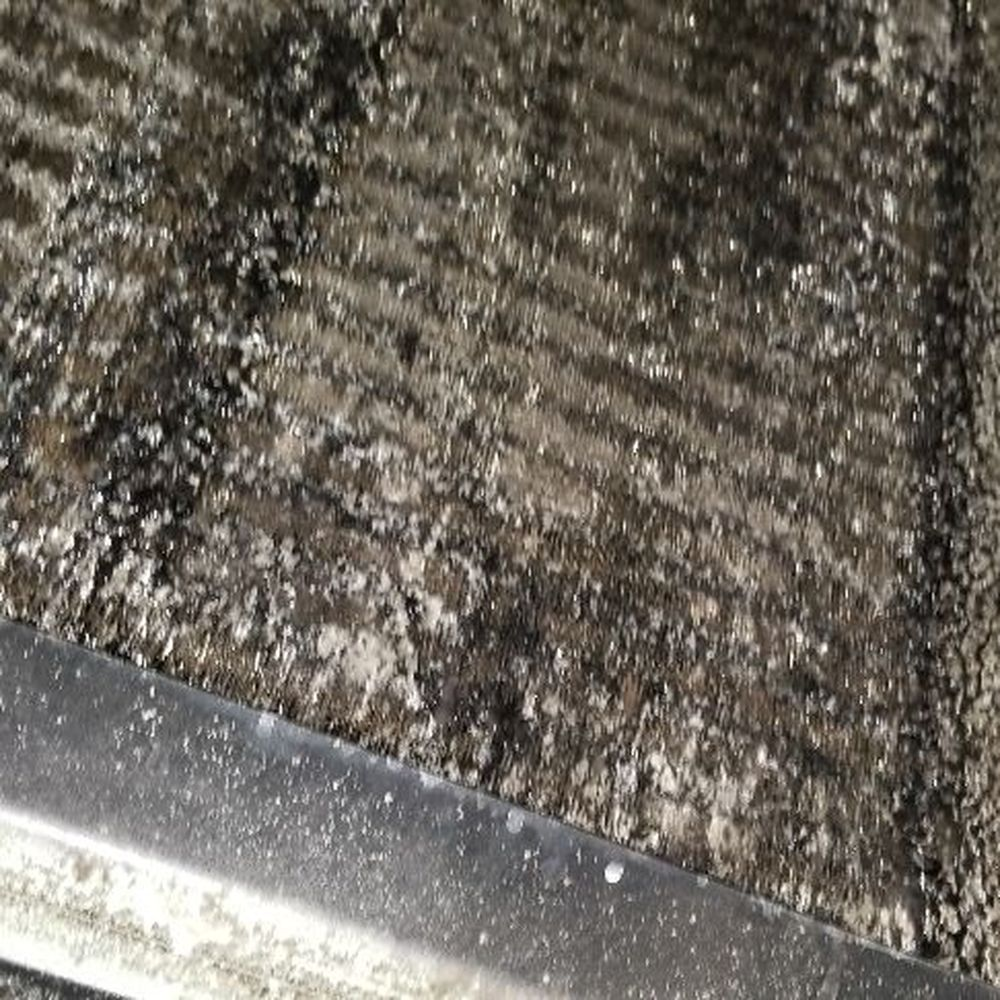
- Even minor flooding can leave moisture behind, creating ideal conditions for microbial growth.
- Odors and Contaminants
- Stale, musty odors develop as organic material trapped in ducts decomposes.
Signs That Your Air Ducts Need Cleaning After Flooding
- Musty or Moldy Smells
- Persistent odors indicate water exposure and potential mold growth.
- Visible Debris or Contamination
- Sediment, silt, or other debris from flooding may accumulate inside vents.
- Reduced Airflow
- Clogged ducts can lead to uneven heating or cooling in your home.
- Increased Allergy Symptoms
- Sneezing, coughing, or respiratory irritation may worsen after flooding.
- Water Stains or Rust
- Signs on vents or duct surfaces indicate water intrusion.
Step‑by-Step Duct Cleaning Process After Flooding
Step 1: Initial Inspection
- Professionals assess ductwork using visual inspection, moisture meters, and cameras to identify contaminated areas.
Step 2: Containment
- Seal the affected area to prevent spores and debris from spreading during cleaning.
Step 3: Debris Removal
- Use industrial vacuum systems to extract mud, silt, and sediment from ducts.
- Agitation tools may be used to dislodge stubborn buildup.
Step 4: Mold and Contaminant Treatment
- Apply EPA-approved antimicrobial or antifungal solutions to eradicate mold and bacteria.
Step 5: Drying
- Use air movers, fans, and dehumidifiers to thoroughly dry ductwork and prevent future microbial growth.
Step 6: System Testing
- Test airflow and ensure no lingering odors or moisture remain.
Step 7: Restoration
- Replace damaged vent covers, insulation, or duct segments if necessary.
- Ensure the HVAC system is fully operational and safe.
Preventive Measures for Homeowners
- Regular HVAC Maintenance
- Schedule annual inspections and cleaning to reduce contamination risks.
- Moisture Control
- Use dehumidifiers, ensure proper drainage, and address leaks promptly.
- Seal Ducts
- Properly sealed ducts prevent debris and floodwater from entering the system.
- Install Backflow Prevention
- Prevent floodwater from entering HVAC systems with valves or barriers.
- Monitor Indoor Air Quality
- Use sensors or periodic air quality tests to detect early signs of contamination.
- Prompt Flood Response
- Remove water and dry affected areas immediately after flooding to minimize damage.
Benefits of Professional Duct Cleaning After Flooding
- Health Protection
- Removes mold spores, bacteria, and allergens to improve indoor air quality.
- Enhanced HVAC Efficiency
- Clean ducts allow better airflow, reducing energy bills and equipment strain.
- Prevention of Structural Damage
- Removes water and contaminants before they cause permanent damage.
- Odor Elimination
- Eliminates musty smells caused by floodwater contamination.
- Peace of Mind
- Confirms the home environment is safe, dry, and healthy for occupants.
Conclusion
Flooding in Satellite Beach homes can have lasting effects on HVAC systems if ducts are not properly cleaned. Recognizing warning signs, such as musty odors, visible debris, or reduced airflow, allows homeowners to act quickly.
Professional duct cleaning after flooding involves inspection, debris removal, mold treatment, drying, and restoration to ensure the system is safe and functional. Combining cleaning with preventive measures—humidity control, proper sealing, and routine maintenance—helps protect homes from future damage, preserves indoor air quality, and maintains the efficiency of the HVAC system.