Inspection and Repair Guide: Water Leak Detection in Viera in Commercial Buildings
Water leaks in commercial buildings in Viera, Florida are a common problem, often caused by aging plumbing, storm damage, or HVAC system issues. Undetected leaks can lead to structural damage, mold growth, and costly repairs, as well as disruption to business operations. A systematic approach to water leak detection, inspection, and repair helps commercial property owners protect their investment and maintain a safe environment for tenants and employees.
This guide provides a step-by-step inspection and repair strategy tailored for commercial properties in Viera.
Why Water Leak Detection Is Critical in Commercial Buildings
- Protects Structural Integrity
- Leaks can weaken floors, walls, ceilings, and foundations, compromising safety.
- Prevents Mold and Mildew
- Standing water and damp materials encourage microbial growth that can impact health and air quality.
- Reduces Operational Costs
- Early detection prevents major water damage and reduces repair and restoration costs.
- Safeguards Electrical Systems
- Water exposure near electrical outlets, wiring, or equipment can create fire or shock hazards.
- Maintains Property Value
- Prompt leak detection preserves the building’s integrity and tenant satisfaction.
Common Sources of Water Leaks in Commercial Buildings
- Aging Plumbing
- Pipes, joints, and valves can deteriorate, causing hidden leaks.
- HVAC Systems
- Condensate lines, cooling coils, or drip pans may overflow or leak.
- Roofs and Gutters
- Damaged roofing or clogged gutters allow water intrusion during storms.
- Sprinkler Systems
- Malfunctioning fire suppression systems can leak, especially in older installations.
- Basement and Foundation Leaks
- Poor drainage or cracked foundations contribute to moisture buildup.
Early Signs of Water Leaks
- Ceiling or Wall Stains
- Brownish or dark discoloration indicates prolonged water exposure.
- Warped Floors
- Buckled or softened flooring can signal water infiltration.
- Musty Odors
- Persistent damp smells often indicate hidden moisture or mold.
- Unexpected Utility Bills
- Higher water usage may suggest a hidden leak.
- Visible Puddles or Drips
- Water accumulation around plumbing, HVAC, or roofing areas.
- Increased Mold or Mildew
- Early microbial growth signals persistent moisture problems.
Step‑by‑Step Water Leak Detection Process
Step 1: Preliminary Inspection
- Conduct a visual walkthrough of plumbing, HVAC, roof, and foundation areas.
- Identify obvious leaks, water stains, and damp spots.
Step 2: Use Specialized Detection Tools
- Moisture Meters: Detect hidden moisture behind walls and under flooring.
- Thermal Imaging Cameras: Reveal temperature anomalies caused by water infiltration.
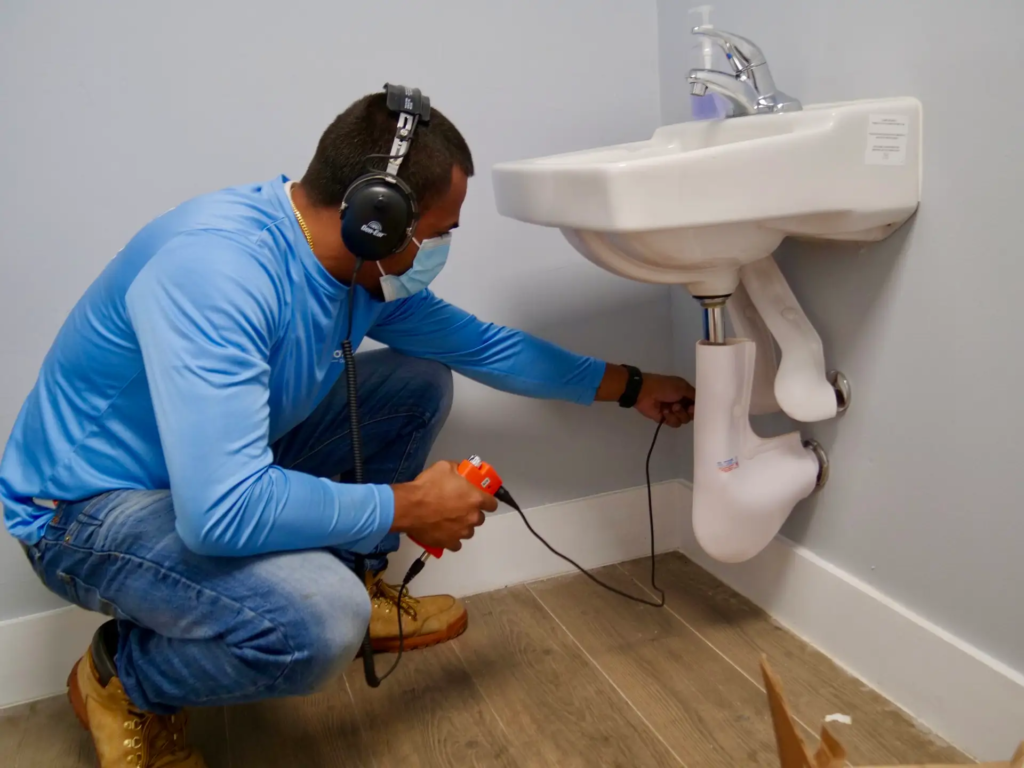
- Acoustic Leak Detectors: Identify leaks in pressurized pipes by sound.
- Infrared Scanners: Highlight hidden water behind ceilings or insulation.
Step 3: Monitor Water Usage
- Compare water meter readings over time to identify unusual consumption patterns.
Step 4: Isolate Problem Areas
- Shut off sections of the plumbing system to pinpoint the source of the leak.
Step 5: Documentation
- Record all findings, including moisture levels, locations, and severity, to plan repairs and for insurance purposes.
Repairing Water Leaks in Commercial Buildings
Step 1: Shut Off Utilities
- Turn off water, electricity, or HVAC systems near the affected area to prevent hazards.
Step 2: Remove Damaged Materials
- Replace water-damaged drywall, insulation, flooring, or ceiling tiles.
Step 3: Fix Plumbing or HVAC Issues
- Repair or replace broken pipes, valves, condensate lines, or HVAC components.
- Ensure proper sealing and alignment to prevent future leaks.
Step 4: Dry and Dehumidify
- Use industrial fans, air movers, and dehumidifiers to eliminate moisture.
Step 5: Mold Prevention
- Treat affected areas with EPA-approved antifungal solutions to prevent mold growth.
Step 6: Restoration
- Restore surfaces, repaint walls, replace flooring, and ensure the building is operational and safe.
Preventive Measures for Commercial Property Owners
- Regular Plumbing Inspections
- Inspect pipes, valves, and joints routinely, especially in older buildings.
- HVAC Maintenance
- Clean coils, drip pans, and condensate lines to prevent leaks and microbial growth.
- Roof and Gutter Checks
- Repair damaged roofing, seal cracks, and keep gutters free of debris.
- Install Leak Detection Systems
- Sensors and alarms can alert property managers to water presence early.
- Maintain Proper Drainage
- Ensure grading around the building and functional drainage systems to prevent flooding.
- Immediate Response
- Address minor leaks promptly before they develop into larger, more costly problems.
Benefits of Professional Water Leak Detection and Repair
- Cost Savings
- Early detection reduces long-term repair and remediation expenses.
- Health and Safety
- Prevents mold growth and water-related hazards for occupants.
- Preserves Building Value
- Maintains structural integrity and reduces depreciation.
- Regulatory Compliance
- Ensures commercial buildings meet safety and habitability standards.
- Operational Continuity
- Minimizes downtime and disruption for tenants or business operations.
Conclusion
Water leaks in Viera commercial buildings can lead to serious structural, health, and financial issues if left undetected. Early identification through a structured inspection process, using visual checks and specialized detection tools, is key to preventing damage.
Once leaks are located, prompt repair, drying, and mold prevention are essential for protecting the property and its occupants. Implementing preventive measures such as regular inspections, proper maintenance, and leak detection systems ensures that commercial buildings remain safe, functional, and resilient against water damage.