Early Signs You Should Not Ignore: Carpet Cleaning After Flooding in Rockledge After Plumbing Leaks
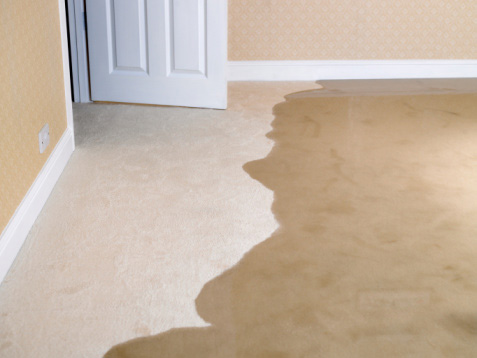
Flooding from plumbing leaks in Rockledge, Florida, can leave carpets and flooring saturated with water, creating ideal conditions for mold, mildew, and structural damage. Proper carpet cleaning after flooding is critical to maintain indoor air quality, protect health, and preserve the home’s value. Homeowners who recognize the early signs of water damage in carpets can act quickly to prevent more serious issues.
This guide explains the common warning signs, the carpet cleaning process after flooding, and preventive tips for Rockledge homeowners.
Why Carpet Cleaning Is Critical After Plumbing Leaks
- Prevents Mold and Mildew
- Carpets and padding retain water, allowing mold spores to multiply rapidly.
- Protects Health
- Mold growth in carpets can trigger allergies, respiratory problems, and asthma.
- Preserves Flooring and Structure
- Prolonged moisture can damage subfloors, wooden joists, and walls.
- Eliminates Odors
- Stagnant water causes musty smells that can linger throughout the home.
- Maintains Home Value
- Water-damaged carpets reduce property appeal and can lead to costly replacements.
Early Signs Homeowners Should Not Ignore
- Wet or Damp Carpet
- Even after visible water has been removed, padding beneath the carpet may remain wet.
- Musty or Sour Odors
- Persistent smells indicate moisture retention and potential mold growth.
- Discoloration or Staining
- Dark or yellow patches on carpets may show water damage.
- Warping or Buckling
- Carpets lifting or curling at the edges can signal saturation of underlying layers.
- Increased Allergy Symptoms
- Sneezing, coughing, or eye irritation may indicate mold spores spreading from wet carpets.
- Sagging or Soft Subfloor
- Walking on certain areas and feeling sponginess may indicate water damage beneath the carpet.
Step‑by-Step Carpet Cleaning After Flooding
Step 1: Safety and Assessment
- Turn off electricity near wet areas to prevent electrical hazards.
- Inspect carpets and padding for damage, and identify affected rooms.
Step 2: Water Extraction
- Use industrial wet/dry vacuums or pumps to remove standing water quickly.
- Focus on removing water from both carpet and padding to prevent mold growth.
Step 3: Cleaning and Sanitization
- Apply professional carpet cleaning solutions designed for water damage.
- Scrub and rinse carpets to remove dirt, debris, and bacteria.
Step 4: Dehumidification and Drying
- Employ air movers, fans, and dehumidifiers to thoroughly dry carpets and subfloors.
- Monitor moisture levels using moisture meters to ensure complete drying.
Step 5: Mold Prevention
- Apply antimicrobial treatments to carpets and padding to inhibit mold growth.
- Inspect adjacent areas such as walls, baseboards, and flooring for hidden moisture.
Step 6: Restoration
- Replace carpet padding if necessary, and ensure carpets are securely reinstalled.
- Repair any subfloor or structural damage caused by prolonged water exposure.
Benefits of Prompt Carpet Cleaning After Plumbing Leaks
- Reduces Health Risks
- Prevents mold and bacteria exposure that can affect tenants’ or family members’ health.
- Minimizes Structural Damage
- Quick action protects floors, walls, and subflooring from prolonged water exposure.
- Eliminates Odors
- Removes musty smells associated with wet carpets and stagnant water.
- Cost Savings
- Early cleaning may save money by avoiding full carpet replacement or extensive structural repairs.
- Improved Indoor Air Quality
- Reduces airborne allergens and microbial spores circulating in the home.
Preventive Tips for Rockledge Homeowners
- Regular Plumbing Maintenance
- Inspect pipes, faucets, and valves to prevent leaks.
- Immediate Response to Flooding
- Extract water quickly after a plumbing leak to minimize carpet saturation.
- Monitor Humidity
- Use dehumidifiers in affected rooms to reduce moisture retention.
- Ventilation
- Open windows and use fans to improve airflow and aid drying.
- Professional Carpet Cleaning
- Schedule regular cleaning and inspection, especially after water damage events.
- Protect Subflooring
- Ensure water does not penetrate below carpet padding to preserve structural integrity.
Conclusion
Plumbing leaks in Rockledge homes can quickly lead to water-damaged carpets, posing health hazards, unpleasant odors, and structural risks. Recognizing early warning signs—such as dampness, musty smells, discoloration, and warping—allows homeowners to act before the damage worsens.
Professional carpet cleaning after flooding involves water extraction, cleaning, drying, and mold prevention, ensuring carpets and subfloors are restored to safe and healthy conditions. By combining prompt action with preventive maintenance, homeowners can protect both their investment and their family’s health, keeping their homes safe, comfortable, and resilient against future plumbing issues.