Step‑by‑Step Process Explained: Black Mold Removal in Melbourne in Rental Properties
Black mold, or Stachybotrys chartarum, is a common concern in rental properties in Melbourne, Florida, especially due to the region’s humidity and frequent rainfall. In rental units, black mold poses serious health risks, legal liabilities for landlords, and potential structural damage. Professional mold removal is essential to ensure the safety of tenants and the property’s longevity.
This guide provides a step-by-step process for black mold removal, tailored specifically for rental properties in Melbourne.
Why Black Mold Is a Concern in Rental Properties
- Health Risks to Tenants
- Exposure can cause allergic reactions, respiratory issues, asthma, and in severe cases, infections.
- Legal and Financial Liabilities
- Landlords may face legal claims if tenants are exposed to toxic mold without proper remediation.
- Structural Damage
- Prolonged moisture and mold can weaken walls, ceilings, flooring, and wooden structures.
- Impact on Property Value
- Unaddressed mold can reduce property desirability and rental income potential.
Early Signs of Black Mold in Rental Properties
- Musty Odors
- Persistent, damp smells often indicate hidden mold growth.
- Discoloration
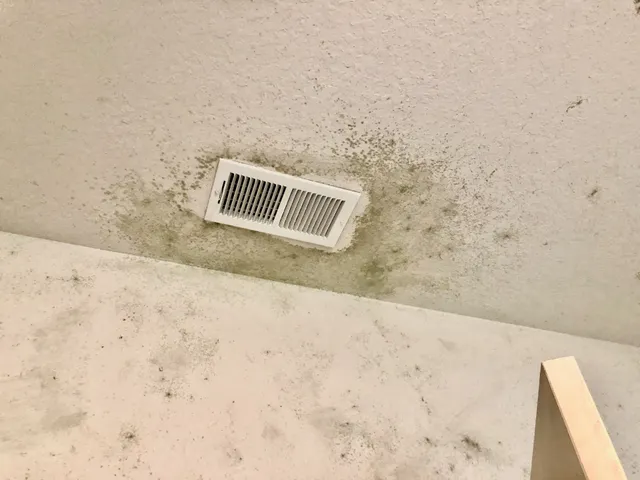
- Black, green, or dark spots on walls, ceilings, or around windows.
- Water Damage
- Leaks, water stains, or condensation in bathrooms, kitchens, and basements.
- Tenant Complaints
- Increased reports of allergy or respiratory symptoms in occupants.
- Warped Surfaces
- Buckling walls, peeling paint, or warped flooring due to moisture accumulation.
Step‑by-Step Black Mold Removal Process
Step 1: Inspection and Assessment
- Conduct a thorough inspection of the rental property to locate visible mold and moisture sources.
- Utilize tools such as moisture meters, thermal cameras, and air sampling kits for hidden mold.
Step 2: Containment
- Seal off affected areas using plastic sheeting and negative air pressure systems to prevent spores from spreading to other parts of the property.
- Remove or cover furniture and personal belongings to protect them from contamination.
Step 3: Removal of Contaminated Materials
- Porous materials such as drywall, insulation, carpeting, and ceiling tiles may need to be removed and replaced.
- Non-porous surfaces like tiles and metal can be cleaned and treated.
Step 4: Cleaning and Disinfection
- Scrub surfaces with EPA-approved antifungal cleaners to remove mold spores.
- Apply antimicrobial solutions to prevent regrowth in treated areas.
Step 5: Drying and Dehumidification
- Use industrial fans, air movers, and dehumidifiers to eliminate residual moisture.
- Monitor moisture levels until the property reaches safe, normal humidity.
Step 6: Repair and Restoration
- Replace removed materials, patch walls, and restore ceilings and flooring.
- Ensure the property is restored to rental-ready condition.
Step 7: Verification and Clearance
- Conduct a post-remediation inspection and air quality testing to confirm mold has been successfully removed.
- Document results for tenants and regulatory compliance.
Preventive Measures for Rental Property Owners
- Regular Inspections
- Schedule periodic checks for leaks, condensation, and ventilation issues.
- Proper Ventilation
- Ensure bathrooms, kitchens, and laundry areas have functioning exhaust fans.
- Humidity Control
- Maintain indoor humidity below 60% using air conditioning and dehumidifiers.
- Immediate Water Damage Response
- Address leaks, flooding, or plumbing issues immediately to prevent mold growth.
- Tenant Education
- Encourage tenants to report leaks, damp spots, or unusual odors promptly.
- HVAC Maintenance
- Clean and inspect ducts, coils, and drip pans to prevent microbial growth.
Benefits of Professional Black Mold Removal in Rental Properties
- Tenant Health Protection
- Reduces exposure to allergens, toxins, and respiratory irritants.
- Legal and Financial Security
- Ensures landlords comply with safety regulations and avoid liability.
- Structural Preservation
- Prevents damage to walls, ceilings, and flooring.
- Enhanced Property Value
- Keeps the rental property safe, functional, and attractive to tenants.
- Peace of Mind
- Provides confidence that the property is safe and habitable.
Conclusion
Black mold is a significant threat in Melbourne rental properties, especially during humid seasons or after water damage. Following a structured step-by-step removal process—inspection, containment, removal, cleaning, drying, restoration, and verification—ensures effective mold remediation.
By implementing preventive measures like proper ventilation, humidity control, regular inspections, and tenant education, rental property owners can protect their tenants, maintain property value, and avoid costly repairs. Professional black mold removal not only restores safety and comfort but also ensures compliance with health and housing standards.