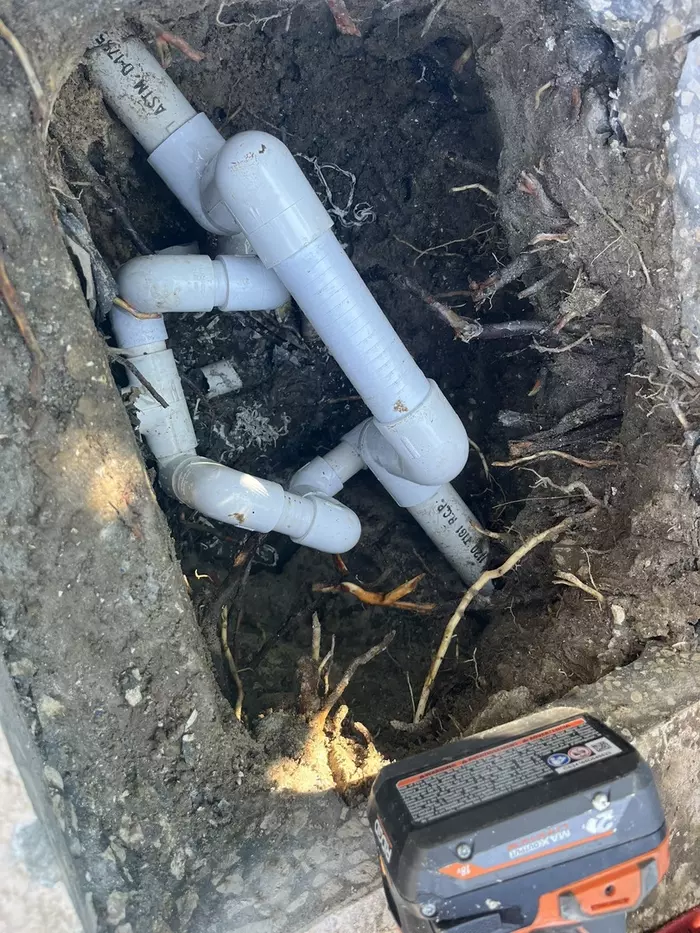
Water Leak Detection Services in Palm Bay After Plumbing Leaks: Inspection and Repair Guide
Plumbing leaks in Palm Bay can cause significant damage to homes, ranging from water stains and structural weakening to mold growth and HVAC system issues. Detecting leaks early is essential to prevent costly repairs, maintain indoor air quality, and protect the integrity of your home.
This guide provides homeowners with a comprehensive overview of water leak detection services, inspection techniques, repair strategies, and preventive tips to safeguard homes in Palm Bay after plumbing leaks.
Why Early Leak Detection Matters
- Prevents Mold Growth
- Standing or hidden water encourages mold and mildew formation, which can spread quickly.
- Preserves Structural Integrity
- Prolonged water exposure can weaken floors, walls, ceilings, and foundations.
- Protects Plumbing and HVAC Systems
- Water intrusion can corrode pipes, damage HVAC components, and affect insulation.
- Reduces Repair Costs
- Early detection limits the extent of repairs and reduces potential insurance claims.
- Maintains Healthy Indoor Environment
- Prevents allergens, musty odors, and bacterial growth caused by dampness.
Common Causes of Plumbing Leaks
- Pipe Corrosion or Aging
- Older pipes may crack, rust, or burst under pressure.
- Loose or Damaged Joints
- Fittings, valves, or connections can loosen over time.
- High Water Pressure
- Excessive pressure strains plumbing, causing leaks or ruptures.
- Clogs or Blockages
- Backed-up drains can lead to overflows and leaks.
- Improper Installation
- Poorly installed plumbing components may fail during heavy usage.
Early Signs of Plumbing Leaks
- Water Stains
- Yellow or brown discoloration on walls, ceilings, or floors.
- Musty or Damp Odors
- Persistent smells indicate water accumulation and possible mold growth.
- Sagging or Warped Surfaces
- Floors, ceilings, or walls that feel soft or warped.
- High Water Bills
- Unexpected spikes may indicate hidden leaks.
- Dripping Sounds
- Continuous water sounds when taps are off can signal leaks in pipes.
- Visible Mold or Mildew
- Mold growth near plumbing fixtures, walls, or under sinks.
Professional Water Leak Detection Methods
1. Visual Inspection
- Identify visible water damage, corrosion, or dripping fixtures.
2. Moisture Meters
- Measure water content in walls, floors, and ceilings to detect hidden leaks.
3. Thermal Imaging
- Infrared cameras detect cooler spots caused by water infiltration.
4. Acoustic Leak Detection
- Sensitive microphones detect sounds of water moving inside pipes.
5. Pressure Testing
- Tests plumbing systems for drops in pressure that indicate leaks.
6. Tracer Gas or Dye Testing
- Introduce harmless gas or dye to pinpoint leak locations without demolition.
Step‑by‑Step Inspection and Repair Process
Step 1: Initial Assessment
- Evaluate visible water damage and potential sources of leaks.
- Review plumbing schematics if available to locate likely problem areas.
Step 2: Instrumental Detection
- Use moisture meters, thermal imaging, and acoustic tools to locate hidden leaks.
Step 3: Documentation
- Record affected areas for repair planning and insurance claims.
Step 4: Repair
- Fix or replace damaged pipes, joints, or fixtures.
- Upgrade outdated plumbing if necessary to prevent recurring leaks.
Step 5: Drying and Remediation
- Remove residual moisture using fans, dehumidifiers, and air movers.
- Conduct mold remediation if dampness was present for extended periods.
Step 6: Verification
- Re-test repaired areas to ensure leaks are fully resolved and moisture levels are safe.
Step 7: Preventive Measures
- Insulate pipes, install leak detection sensors, and maintain regular plumbing inspections.
Preventive Tips for Palm Bay Homeowners
- Routine Plumbing Inspections
- Check pipes, faucets, and valves annually for wear or leaks.
- Install Leak Detectors
- Smart sensors alert homeowners to water leaks early.
- Monitor Water Bills
- Unusual spikes may indicate hidden leaks.
- Control Water Pressure
- Ensure pressure regulators are functioning to reduce pipe strain.
- Maintain HVAC Systems
- Prevent condensation or leaks from HVAC units entering walls or floors.
- Seal Vulnerable Areas
- Repair cracks in walls, floors, and foundations to prevent water intrusion.
Benefits of Professional Leak Detection Services
- Early Damage Prevention
- Minimizes structural damage and reduces the risk of mold growth.
- Health Protection
- Prevents exposure to allergens, bacteria, and mold spores.
- Cost Savings
- Early detection reduces extensive repairs and potential insurance claims.
- Property Preservation
- Protects walls, floors, ceilings, and plumbing systems from long-term damage.
- Peace of Mind
- Ensures a safe, dry, and well-maintained home.
Conclusion
Plumbing leaks in Palm Bay can cause hidden water damage, mold growth, and structural compromise if left unaddressed. Homeowners who recognize early warning signs and utilize professional water leak detection services can prevent costly repairs and maintain a healthy living environment.
Following a structured process—inspection, instrumental detection, repair, drying, and verification—alongside preventive measures like leak sensors, regular inspections, and proper pipe maintenance ensures that homes remain safe, dry, and resilient after plumbing leaks.
Plumbing leaks in Palm Bay can cause significant damage to homes, ranging from water stains and structural weakening to mold growth and HVAC system issues. Detecting leaks early is essential to prevent costly repairs, maintain indoor air quality, and protect the integrity of your home.
This guide provides homeowners with a comprehensive overview of water leak detection services, inspection techniques, repair strategies, and preventive tips to safeguard homes in Palm Bay after plumbing leaks.
Why Early Leak Detection Matters
- Prevents Mold Growth
- Standing or hidden water encourages mold and mildew formation, which can spread quickly.
- Preserves Structural Integrity
- Prolonged water exposure can weaken floors, walls, ceilings, and foundations.
- Protects Plumbing and HVAC Systems
- Water intrusion can corrode pipes, damage HVAC components, and affect insulation.
- Reduces Repair Costs
- Early detection limits the extent of repairs and reduces potential insurance claims.
- Maintains Healthy Indoor Environment
- Prevents allergens, musty odors, and bacterial growth caused by dampness.
Common Causes of Plumbing Leaks
- Pipe Corrosion or Aging
- Older pipes may crack, rust, or burst under pressure.
- Loose or Damaged Joints
- Fittings, valves, or connections can loosen over time.
- High Water Pressure
- Excessive pressure strains plumbing, causing leaks or ruptures.
- Clogs or Blockages
- Backed-up drains can lead to overflows and leaks.
- Improper Installation
- Poorly installed plumbing components may fail during heavy usage.
Early Signs of Plumbing Leaks
- Water Stains
- Yellow or brown discoloration on walls, ceilings, or floors.
- Musty or Damp Odors
- Persistent smells indicate water accumulation and possible mold growth.
- Sagging or Warped Surfaces
- Floors, ceilings, or walls that feel soft or warped.
- High Water Bills
- Unexpected spikes may indicate hidden leaks.
- Dripping Sounds
- Continuous water sounds when taps are off can signal leaks in pipes.
- Visible Mold or Mildew
- Mold growth near plumbing fixtures, walls, or under sinks.
Professional Water Leak Detection Methods
1. Visual Inspection
- Identify visible water damage, corrosion, or dripping fixtures.
2. Moisture Meters
- Measure water content in walls, floors, and ceilings to detect hidden leaks.
3. Thermal Imaging
- Infrared cameras detect cooler spots caused by water infiltration.
4. Acoustic Leak Detection
- Sensitive microphones detect sounds of water moving inside pipes.
5. Pressure Testing
- Tests plumbing systems for drops in pressure that indicate leaks.
6. Tracer Gas or Dye Testing
- Introduce harmless gas or dye to pinpoint leak locations without demolition.
Step‑by‑Step Inspection and Repair Process
Step 1: Initial Assessment
- Evaluate visible water damage and potential sources of leaks.
- Review plumbing schematics if available to locate likely problem areas.
Step 2: Instrumental Detection
- Use moisture meters, thermal imaging, and acoustic tools to locate hidden leaks.
Step 3: Documentation
- Record affected areas for repair planning and insurance claims.
Step 4: Repair
- Fix or replace damaged pipes, joints, or fixtures.
- Upgrade outdated plumbing if necessary to prevent recurring leaks.
Step 5: Drying and Remediation
- Remove residual moisture using fans, dehumidifiers, and air movers.
- Conduct mold remediation if dampness was present for extended periods.
Step 6: Verification
- Re-test repaired areas to ensure leaks are fully resolved and moisture levels are safe.
Step 7: Preventive Measures
- Insulate pipes, install leak detection sensors, and maintain regular plumbing inspections.
Preventive Tips for Palm Bay Homeowners
- Routine Plumbing Inspections
- Check pipes, faucets, and valves annually for wear or leaks.
- Install Leak Detectors
- Smart sensors alert homeowners to water leaks early.
- Monitor Water Bills
- Unusual spikes may indicate hidden leaks.
- Control Water Pressure
- Ensure pressure regulators are functioning to reduce pipe strain.
- Maintain HVAC Systems
- Prevent condensation or leaks from HVAC units entering walls or floors.
- Seal Vulnerable Areas
- Repair cracks in walls, floors, and foundations to prevent water intrusion.
Benefits of Professional Leak Detection Services
- Early Damage Prevention
- Minimizes structural damage and reduces the risk of mold growth.
- Health Protection
- Prevents exposure to allergens, bacteria, and mold spores.
- Cost Savings
- Early detection reduces extensive repairs and potential insurance claims.
- Property Preservation
- Protects walls, floors, ceilings, and plumbing systems from long-term damage.
- Peace of Mind
- Ensures a safe, dry, and well-maintained home.
Conclusion
Plumbing leaks in Palm Bay can cause hidden water damage, mold growth, and structural compromise if left unaddressed. Homeowners who recognize early warning signs and utilize professional water leak detection services can prevent costly repairs and maintain a healthy living environment.
Following a structured process—inspection, instrumental detection, repair, drying, and verification—alongside preventive measures like leak sensors, regular inspections, and proper pipe maintenance ensures that homes remain safe, dry, and resilient after plumbing leaks.