Mold Remediation in Viera During Rainy Season: Early Signs You Should Not Ignore
The rainy season in Viera, Florida brings elevated humidity and frequent storms, creating ideal conditions for mold growth in homes. Moisture that infiltrates walls, ceilings, flooring, or HVAC systems can lead to serious health risks, structural damage, and reduced indoor air quality. Homeowners who recognize early signs of mold can prevent costly repairs and maintain a safe living environment.
This guide outlines common early warning signs of mold, the importance of timely remediation, the step-by-step mold removal process, and preventive strategies to protect homes in Viera during the rainy season.
Why Rainy Season Increases Mold Risks in Viera
- High Humidity
- Frequent rain and warm temperatures elevate indoor humidity, promoting microbial growth.
- Flooding and Water Intrusion
- Heavy rains can cause leaks through roofs, windows, or foundations.
- Condensation
- Moisture accumulation on walls, ceilings, and HVAC components encourages mold colonization.
- Poor Ventilation
- Homes without adequate airflow trap moisture, allowing spores to settle.
- Aging Building Materials
- Older homes absorb water more easily, providing a nutrient-rich environment for mold.
Early Signs of Mold Homeowners Should Not Ignore
- Musty Odors
- Persistent or unusual smells often indicate hidden mold behind walls or under flooring.
- Discoloration on Surfaces
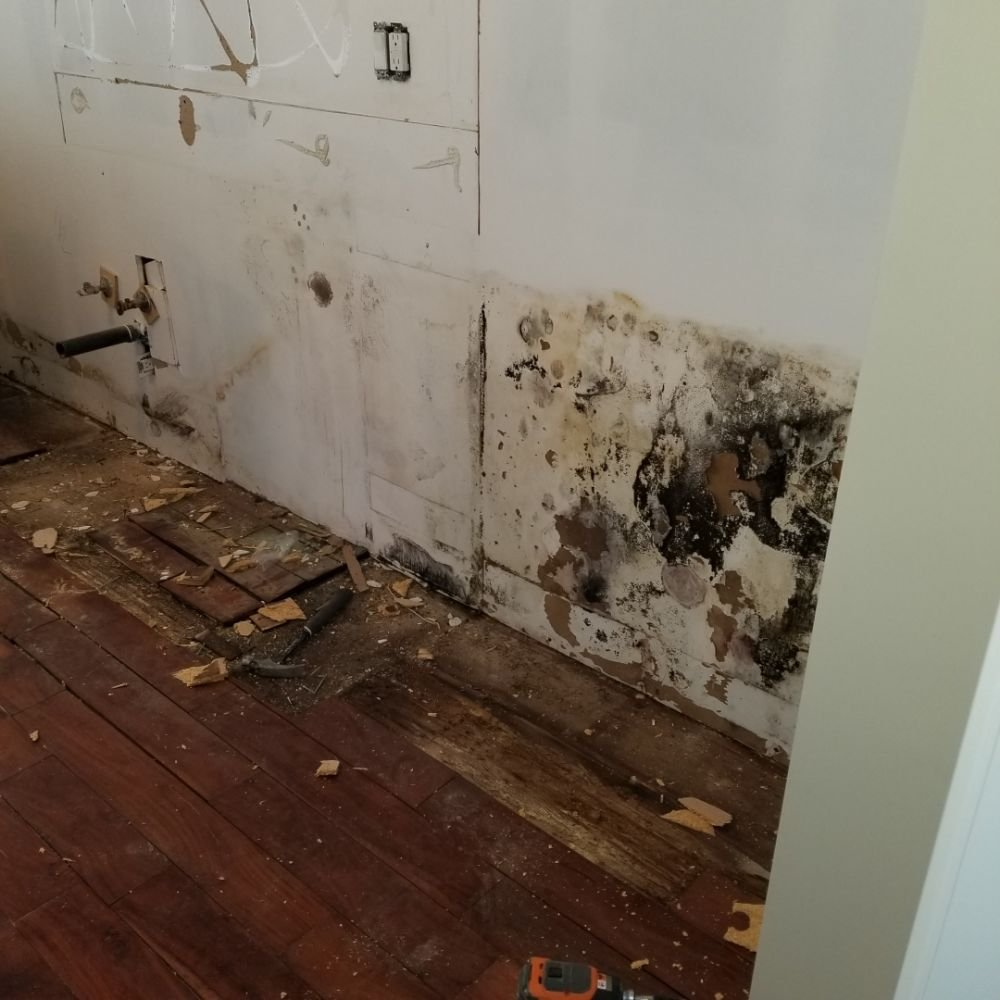
- Black, green, or white patches on walls, ceilings, or window sills.
- Warping or Bubbling
- Moisture may cause peeling paint, bubbling wallpaper, or warped flooring.
- Increased Allergy Symptoms
- Sneezing, coughing, itchy eyes, or asthma flare-ups among residents.
- Visible Water Damage
- Stains, damp spots, or condensation signals potential mold growth.
- HVAC System Issues
- Musty odors from vents or visible mold in ducts suggest contamination.
Step‑by‑Step Mold Remediation Process
Step 1: Inspection and Assessment
- Professionals inspect all affected areas, including hidden spaces like crawlspaces, attics, and HVAC systems.
- Tools such as moisture meters, infrared cameras, and air quality testers help detect unseen mold.
Step 2: Containment
- Isolate contaminated areas using plastic barriers and negative air pressure systems to prevent spores from spreading.
Step 3: Removal of Contaminated Materials
- Porous materials like drywall, carpet padding, and insulation may need to be removed.
- Non-porous surfaces are cleaned and sanitized.
Step 4: Cleaning and Disinfection
- Surfaces are scrubbed with EPA-approved antimicrobial agents to eliminate mold spores.
Step 5: Drying
- Industrial fans, dehumidifiers, and air movers thoroughly dry affected areas to prevent regrowth.
Step 6: Restoration
- Replace removed materials, repair walls or flooring, and restore the home to pre-damage condition.
Step 7: Post-Remediation Verification
- Conduct air quality tests to ensure mold levels are safe and moisture is under control.
Benefits of Timely Mold Remediation
- Health Protection
- Reduces allergens, respiratory irritants, and mold-related illnesses.
- Structural Preservation
- Prevents long-term damage to walls, floors, ceilings, and HVAC systems.
- Improved Indoor Air Quality
- Eliminates musty odors and circulating spores.
- Cost Savings
- Early remediation avoids expensive reconstruction or replacement.
- Peace of Mind
- Ensures a safe and comfortable living environment.
Preventive Tips for Viera Homeowners During Rainy Season
- Improve Ventilation
- Use exhaust fans, open windows when safe, and maintain proper airflow throughout the home.
- Control Humidity
- Keep indoor humidity below 60% using dehumidifiers or air conditioning.
- Regular Inspections
- Check for roof leaks, plumbing issues, and condensation on a routine basis.
- Seal Vulnerable Areas
- Ensure doors, windows, and foundations are waterproofed.
- Maintain HVAC Systems
- Clean ducts, change filters, and check for moisture accumulation in air handling units.
- Prompt Water Damage Response
- Address leaks, flooding, or storm damage immediately to prevent mold growth.
Conclusion
The rainy season in Viera dramatically increases the risk of mold in homes due to elevated humidity, water intrusion, and poor ventilation. Recognizing early warning signs—like musty odors, discoloration, and health symptoms—is key to preventing serious damage.
Professional mold remediation—including inspection, containment, cleaning, disinfection, drying, and restoration—ensures that mold is safely removed and the home is restored. Coupled with preventive strategies such as humidity control, proper ventilation, and regular maintenance, homeowners can protect their property, health, and indoor air quality throughout the rainy season.