AC Mold Cleaning Services in Cocoa Beach After Hurricanes: Warning Signs and Prevention
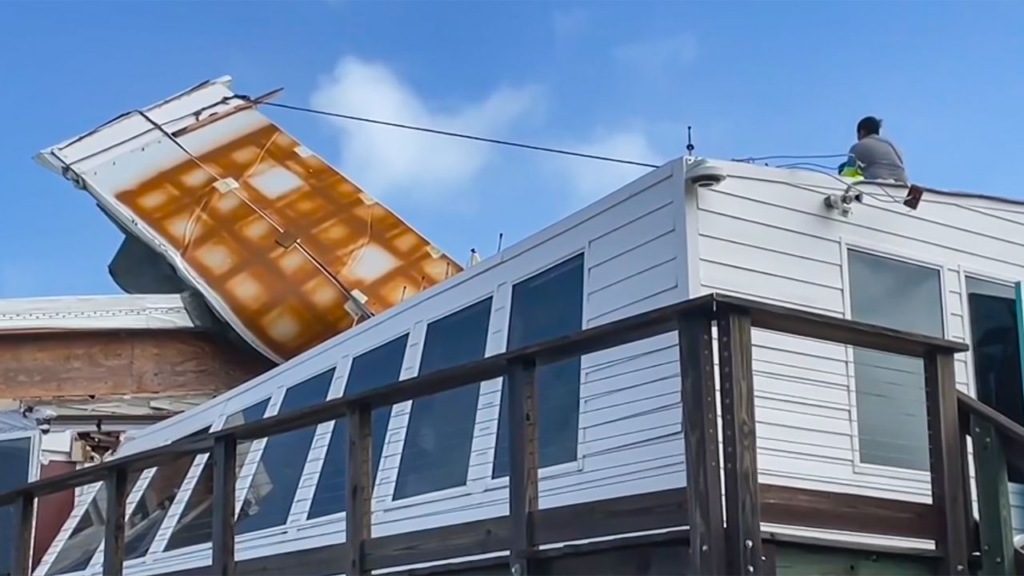
Hurricanes in Cocoa Beach can leave more than just visible damage behind. Even after storm waters recede, air conditioning systems often become breeding grounds for mold and bacteria due to excess moisture, high humidity, and system shutdowns during storms. For homeowners, ignoring these issues can lead to poor indoor air quality, health risks, and costly HVAC repairs.
Professional AC mold cleaning services are essential after hurricanes to restore system efficiency and prevent long-term damage. This guide covers the warning signs of AC mold, prevention strategies, and the cleaning process for Cocoa Beach residents.
Why AC Units Are Vulnerable After Hurricanes
- Water Intrusion
- Flooded homes or leaks can introduce moisture into ducts, coils, and drip pans.
- High Humidity
- Post-hurricane humidity often exceeds 70%, creating ideal conditions for mold growth.
- System Shutdowns
- Prolonged inactivity can cause standing water in condensate pans and ductwork.
- Debris Accumulation
- Storm debris entering the system can trap moisture and encourage microbial growth.
- Aging HVAC Components
- Older systems may have worn insulation, corroded coils, or clogged condensate lines, making them more susceptible to mold.
Early Warning Signs of AC Mold
- Musty or Moldy Odor
- A common indicator that mold has developed within the system.
- Visible Mold Growth
- Black, green, or gray spots on vents, coils, or drip pans.
- Excess Condensation or Water Leaks
- Water pooling around AC units or dripping from vents.
- Allergy or Respiratory Symptoms
- Sneezing, coughing, itchy eyes, or asthma flare-ups among occupants.
- Reduced Airflow or Uneven Cooling
- Mold buildup can obstruct ducts and reduce efficiency.
- Stains or Discoloration
- Yellow, brown, or black water stains near vents or duct openings.
Professional AC Mold Cleaning Process
Step 1: Inspection
- Technicians examine the AC unit, ductwork, coils, and drip pans for mold, moisture, and storm-related debris.
Step 2: Safety Measures
- Use gloves, goggles, and respirators to prevent exposure to mold spores.
- Seal off affected areas to prevent spores from spreading through the home.
Step 3: Containment
- Block vents and create negative air pressure using HEPA filters to isolate contaminated air.
Step 4: Cleaning Ducts and Components
- Remove mold, debris, and dust using specialized brushes, vacuums, and antimicrobial solutions.
- Clean coils, drip pans, and condensate lines thoroughly to eliminate moisture sources.
Step 5: Drying
- Industrial fans and dehumidifiers ensure components are completely dry to prevent recurrence.
Step 6: Filter Replacement
- Install HEPA or high-MERV filters to trap remaining spores and improve air quality.
Step 7: System Testing
- Verify airflow, cooling efficiency, and odor elimination before resuming normal operation.
Preventive Measures for Homeowners
- Schedule AC Maintenance
- Annual inspections and cleaning reduce mold risks, especially after hurricanes.
- Monitor Indoor Humidity
- Maintain levels below 60% using dehumidifiers.
- Seal and Insulate Ductwork
- Prevents condensation and mold growth in ducts.
- Promptly Address Water Intrusion
- Fix roof leaks, damaged vents, and plumbing issues immediately.
- Replace Filters Regularly
- Use HEPA or high-MERV filters and change them every 1–3 months.
- Improve Ventilation
- Use exhaust fans in bathrooms and kitchens to reduce indoor moisture.
- Install Water Detection Devices
- Sensors alert homeowners to leaks or moisture buildup in real-time.
Benefits of AC Mold Cleaning Post-Hurricane
- Improved Indoor Air Quality
- Removes allergens, mold spores, and bacteria from circulating air.
- Health Protection
- Reduces the risk of respiratory issues, allergies, and mold-related illness.
- HVAC Efficiency
- Clean systems improve airflow, reduce energy costs, and prolong unit lifespan.
- Prevention of Structural Damage
- Eliminates moisture that could damage ductwork or building materials.
- Peace of Mind
- Ensures the home remains safe and comfortable after hurricane-related water intrusion.
Conclusion
Hurricanes in Cocoa Beach can create hidden dangers inside air conditioning systems, including mold and moisture buildup. Recognizing warning signs such as musty odors, visible mold, and poor airflow is key to preventing health hazards and property damage.
Professional AC mold cleaning services not only remove existing mold but also implement preventive measures to keep HVAC systems safe and functional. By combining inspection, cleaning, and proactive maintenance, homeowners can protect their investment, improve indoor air quality, and ensure a healthier living environment after every storm.