
Melbourne AC Mold Cleaning in Humid Summers: Costs, Causes, and Solutions
The Reality of Humid Summers in Melbourne
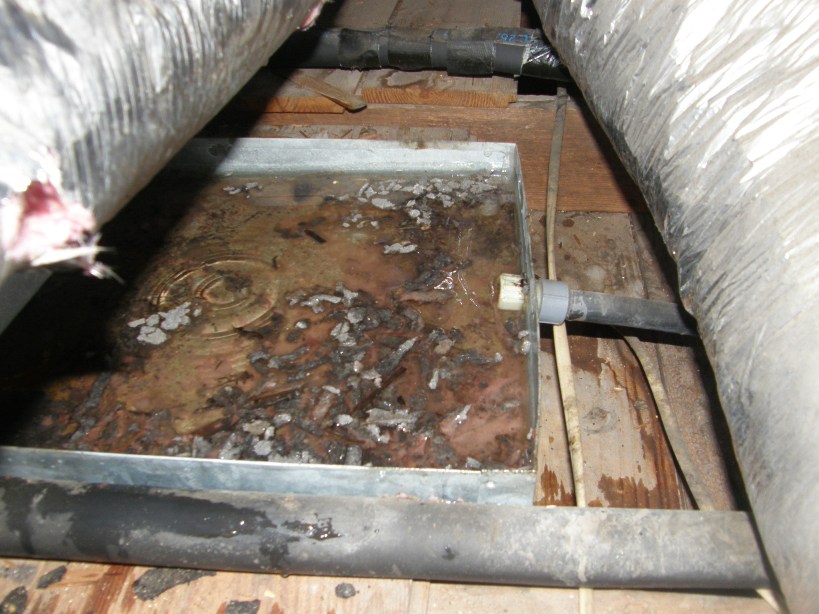
Summers in Melbourne are known for intense heat, heavy afternoon storms, and persistent humidity. When temperatures hover in the high 80s and 90s with relative humidity often exceeding 70–80%, air conditioning systems run almost constantly. While AC systems provide comfort and moisture control, they can also become an unexpected breeding ground for mold if not properly maintained.
AC mold cleaning becomes especially important during humid summers because moisture buildup inside cooling systems is unavoidable. When that moisture is combined with dust, organic debris, and limited airflow, mold growth can develop quickly inside ducts, on evaporator coils, and in drain pans.
This guide explores the costs, causes, warning signs, cleaning process, and long-term solutions for AC mold problems in Melbourne homes.
Why Humid Summers Increase AC Mold Risk
1. Continuous System Operation
During summer, your AC may run for hours at a time. Continuous operation means:
- More condensation forms on evaporator coils.
- Drain pans collect water more frequently.
- Any blockage in the drain line becomes more noticeable.
Condensation is normal. However, in humid environments like Melbourne, the volume of moisture is significantly higher, which increases the risk of standing water.
2. High Outdoor Humidity
When outside humidity levels remain elevated, your AC works harder to remove moisture from the indoor air. If your system is oversized or short-cycles (turns on and off too frequently), it may cool the air without removing enough humidity. This creates damp indoor conditions—ideal for mold growth.
3. Poor Ventilation and Airflow
Closed homes during rainy seasons reduce natural ventilation. If return vents are blocked, filters are dirty, or ductwork is restricted, airflow becomes uneven. Stagnant, humid air inside ducts encourages microbial growth.
Common Causes of AC Mold in Melbourne Homes
Clogged Condensate Drain Lines
The drain line carries moisture away from the AC system. In humid summers, algae and debris can clog this line. When water backs up, it collects in the drain pan and may overflow, creating damp conditions inside the unit.
Dirty Evaporator Coils
Dust and debris accumulate on coils over time. When moisture condenses on these particles, it creates a nutrient source for mold. The coil area remains dark and damp—perfect for growth.
Poorly Sealed Ductwork
Leaky ducts can pull humid air from attics or crawl spaces into the system. This extra moisture worsens condensation and encourages mold formation inside ducts.
Infrequent Filter Changes
Clogged filters reduce airflow and allow dust to circulate and settle inside the system. Organic particles act as food for mold colonies.
Early Signs You Should Not Ignore
Recognizing early symptoms can prevent widespread contamination and costly remediation.
Musty Odors When AC Turns On
If you notice a persistent musty smell when the AC starts running, mold inside the system is a strong possibility. The smell may fade as air circulates but return each time the unit cycles.
Increased Allergy Symptoms
Residents may experience:
- Sneezing
- Nasal congestion
- Itchy eyes
- Headaches
- Persistent cough
These symptoms often worsen indoors and improve outside the home.
Visible Mold Around Vents
Black or green spots near air vents or ceiling registers indicate contamination inside ductwork or near the coil system.
Excess Moisture Around Indoor Unit
Water pooling near the air handler or rust in the drain pan suggests improper drainage and possible microbial growth.
Health Concerns Linked to AC Mold
While not all mold is toxic, prolonged exposure can affect indoor air quality significantly. Common effects include:
- Respiratory irritation
- Asthma flare-ups
- Sinus infections
- Fatigue
- Throat irritation
In homes with elderly residents, children, or individuals with compromised immune systems, indoor air contamination should be addressed quickly.
The AC Mold Cleaning Process
Professional cleaning ensures the issue is fully resolved and does not return quickly.
1. Inspection and Assessment
Technicians examine:
- Evaporator coils
- Drain pan
- Blower motor
- Ductwork
- Condensate line
Moisture levels and visible growth determine the scope of cleaning.
2. System Shut Down and Containment
The AC system is powered off to prevent spores from spreading. In more severe cases, containment barriers may be used to limit cross-contamination.
3. Coil and Component Cleaning
Specialized cleaning solutions remove mold from:
- Coils
- Fan blades
- Interior cabinet surfaces
Technicians avoid harsh chemicals that could damage HVAC components.
4. Drain Line Clearing
The condensate line is flushed and vacuumed to remove clogs and algae buildup. This step is critical for preventing recurrence.
5. Duct Cleaning (If Needed)
If contamination has spread, professional duct cleaning may be required to remove spores and debris.
6. Preventative Treatments
Some providers apply antimicrobial coatings to inhibit future growth, especially during peak humidity months.
Costs of AC Mold Cleaning in Melbourne
Costs vary depending on severity and home size.
Basic AC Mold Cleaning
- $300 – $700
- Includes coil cleaning and drain line clearing
Moderate Contamination
- $800 – $1,500
- Includes partial duct cleaning and component sanitation
Severe Mold in Duct System
- $2,000 – $4,000+
- Full duct cleaning, component replacement, and remediation
Factors influencing cost:
- Extent of contamination
- Size of HVAC system
- Accessibility
- Whether insulation inside ducts is affected
Prompt attention often prevents higher costs later.
Long-Term Solutions for Preventing Recurrence
Install a Whole-Home Dehumidifier
Dehumidifiers reduce indoor humidity levels below 60%, limiting mold growth conditions.
Upgrade to UV Light Systems
UV lights installed near coils help inhibit microbial growth by disrupting mold spores before they spread.
Schedule Biannual HVAC Maintenance
Regular inspections before and after summer ensure:
- Clean coils
- Clear drain lines
- Proper airflow
- Early detection of moisture issues
Improve Attic and Duct Insulation
Proper insulation prevents warm, humid air from condensing on cooler duct surfaces.
Replace Filters Every 1–3 Months
High-quality pleated filters improve airflow and capture organic debris before it settles inside the system.
Why DIY Cleaning Is Often Not Enough
Homeowners may attempt surface cleaning of vents or spraying household disinfectants. However:
- Mold inside coils and ducts is not accessible without dismantling components.
- Improper cleaning may spread spores.
- Chemical misuse can damage HVAC parts.
Professional services ensure safe, thorough removal.
Impact of Melbourne’s Coastal Climate
Being near the coast means:
- Salt air can corrode components.
- Humidity remains high even at night.
- Sudden rainstorms increase moisture load.
Homes in Melbourne must manage humidity year-round, not just during visible storm events. AC systems become both the solution and, if neglected, part of the problem.
When Replacement May Be Necessary
In some cases, cleaning alone is insufficient:
- Insulation inside ducts heavily contaminated
- Repeated mold growth despite cleaning
- Aging system over 15 years old
Upgrading to a modern high-efficiency system with humidity control features can significantly improve indoor air quality.
Choosing the Right Professional Service
Look for providers who:
- Specialize in HVAC mold cleaning
- Offer moisture testing
- Provide written inspection reports
- Explain preventive strategies
Avoid companies that recommend full replacement without proper inspection.
Protecting Your Investment
Your HVAC system is one of the most expensive components of your home. Preventative care:
- Extends system lifespan
- Reduces energy costs
- Improves indoor comfort
- Prevents structural moisture damage
Routine maintenance costs far less than emergency mold remediation or system replacement.
Final Thoughts
Humid summers in Melbourne create ideal conditions for AC mold growth. While condensation is unavoidable, neglect is not. Understanding the causes—clogged drain lines, dirty coils, poor airflow—and recognizing early warning signs can save thousands in repairs.
AC mold cleaning is not just about removing visible growth; it’s about restoring healthy indoor air and preventing recurrence through proper humidity control and maintenance.
By investing in seasonal inspections, improving ventilation, and managing indoor moisture levels, Melbourne homeowners can enjoy cool, clean air throughout even the most humid summer months.