
Merritt Island Mold Inspection from Poor Ventilation: How to Prevent Future Damage
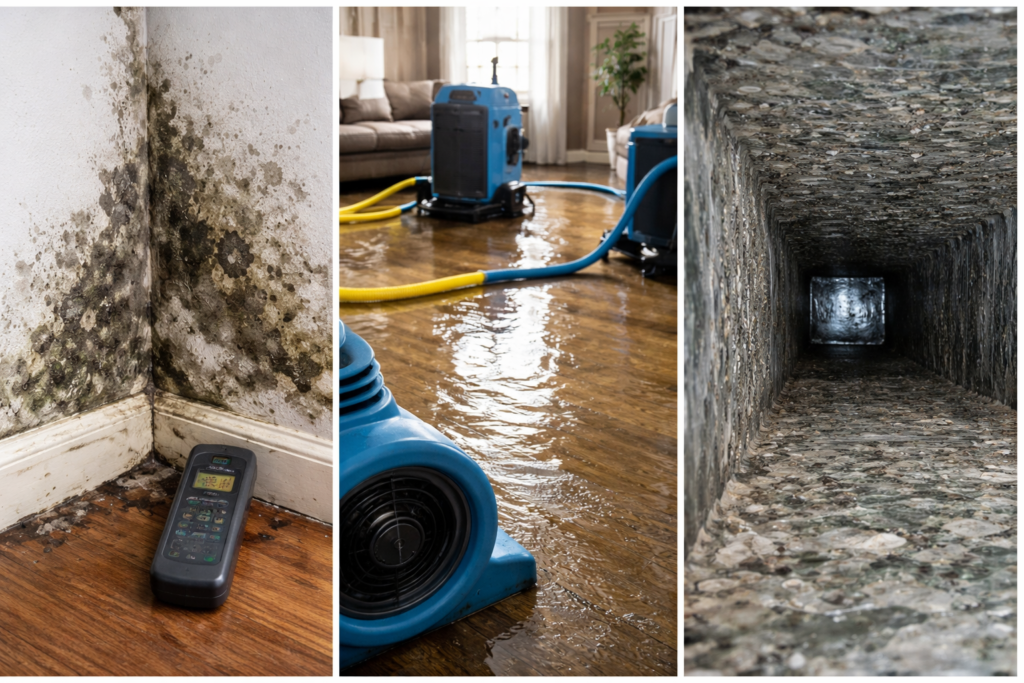
Merritt Island homeowners know how quickly Florida’s humidity can take over a house. Even on days without rain, the air feels heavy. Windows collect condensation. Closets smell musty. AC systems run constantly. Over time, that trapped moisture creates the perfect environment for mold growth — especially when ventilation is poor.
In Merritt Island and surrounding areas like Cocoa Beach, Rockledge, Melbourne, and Satellite Beach, mold caused by ventilation problems is one of the most common issues we inspect. It often develops slowly and quietly, hidden inside walls, attics, ductwork, and crawl spaces.
Understanding how poor ventilation leads to mold — and how professional mold inspection helps prevent future damage — is key to protecting your home long-term.
What Mold from Poor Ventilation Really Means
Mold needs three things to grow:
- Moisture
- Organic material (drywall, wood, insulation, dust)
- Limited airflow
When airflow is restricted, moisture lingers. Instead of evaporating, it settles into surfaces and stays there. In Florida’s climate, that’s enough to trigger mold growth within 24 to 48 hours.
Poor ventilation commonly affects:
- Bathrooms without proper exhaust fans
- Attics with blocked soffit vents
- Closets on exterior walls
- Laundry rooms
- AC duct systems
- Crawl spaces
- Garages converted into living areas
On Merritt Island, many homes are built on slab foundations and rely heavily on air conditioning to regulate indoor air. When ventilation systems are unbalanced or outdated, humidity becomes trapped indoors, creating long-term mold risks.
Why This Happens So Often in Merritt Island
Living near the Indian River Lagoon and the Atlantic coastline means constant exposure to moisture-rich air. Even inland neighborhoods near Viera and West Melbourne experience high year-round humidity.
Several local factors increase ventilation-related mold risks:
1. Constant AC Usage
Air conditioners remove humidity, but when systems are oversized, poorly maintained, or have duct leaks, they may cool the air without properly removing moisture.
2. Storm Season
Heavy rains and tropical systems bring elevated humidity levels. Even without direct flooding, homes absorb moisture through roofing systems, attic vents, and wall cavities.
3. Older Ventilation Designs
Homes built decades ago often lack modern attic ventilation standards or proper bathroom exhaust systems.
4. Closed-Up Homes
Vacation properties in Merritt Island and nearby Cocoa Beach are often left closed for weeks. Without airflow, moisture builds up quickly.
5. Duct Condensation
Poorly insulated air ducts in attics and crawl spaces can sweat, leading to hidden mold growth inside ceiling cavities.
Over time, these conditions create an environment where mold thrives behind the scenes.
Common Signs Homeowners Notice
Ventilation-related mold doesn’t always appear as obvious black patches on walls. Instead, homeowners often report subtle changes:
- Persistent musty odor
- Peeling paint on ceilings
- Warped baseboards
- Condensation on vents
- Dark staining around AC registers
- Increased allergy-like symptoms indoors
- Rust forming on metal fixtures
- Visible spotting inside closets
In Merritt Island homes near the water, salt air combined with trapped humidity can accelerate these issues.
The problem is that by the time visible mold appears, it has often been growing for months inside walls or insulation.
Hidden or Overlooked Sources of Ventilation Mold
Some of the most serious mold problems we inspect are completely hidden.
Common concealed areas include:
Attics
Blocked soffit vents or insufficient ridge vents trap hot, moist air. Mold can spread across roof decking and rafters without being visible from inside living spaces.
Inside Air Ducts
Moisture from condensation accumulates inside duct lines, especially if insulation is damaged.
Behind Bathroom Tile
When exhaust fans vent into attics instead of outdoors, moisture collects behind walls.
Under Flooring
Poor airflow beneath laminate or tile flooring allows subfloor moisture to build up.
Inside Closet Corners
Closets on exterior-facing walls are particularly vulnerable due to temperature differences and low air circulation.
Professional moisture detection tools help identify these areas before structural damage becomes extensive.
Why DIY Mold Removal Usually Fails
Many homeowners attempt to clean visible mold with bleach or household cleaners. While this may remove surface staining, it does not address the root cause.
Here’s why DIY methods typically fail:
- Surface cleaning does not remove moisture inside materials
- Mold spores spread during improper cleaning
- Hidden mold remains untreated
- Ventilation issues go unresolved
- Insulation and drywall remain contaminated
In humid areas like Merritt Island, mold often penetrates porous materials. Without proper containment and drying equipment, spores become airborne and relocate to new areas of the home.
Long-term prevention requires identifying and correcting ventilation failures, not just wiping away visible spots.
Professional Mold Inspection & Testing Explained
A proper mold inspection focuses on locating moisture sources first.
The process typically includes:
Visual Assessment
Inspecting ceilings, vents, closets, and attic spaces.
Moisture Detection
Using professional moisture meters and thermal imaging to identify damp areas behind walls and ceilings.
Airflow Evaluation
Checking ventilation systems, attic vents, and duct performance.
Air & Surface Sampling (When Necessary)
Testing to determine spore levels and identify mold types in certain cases.
Homes in Merritt Island often show elevated moisture levels in attic decking or duct systems due to poor airflow.
A thorough inspection ensures remediation targets the cause — not just the symptoms.
Proper Mold Removal & Remediation Process
Once mold is confirmed, remediation follows structured steps:
1. Containment
Affected areas are sealed to prevent spore spread.
2. Air Filtration
HEPA filtration units remove airborne spores.
3. Removal of Contaminated Materials
Damaged drywall, insulation, or flooring may be removed if necessary.
4. Antimicrobial Treatment
Professional-grade solutions are applied to prevent regrowth.
5. Drying & Dehumidification
Industrial dehumidifiers restore proper moisture levels.
6. Ventilation Corrections
Addressing exhaust fans, duct leaks, or attic airflow problems.
This complete approach prevents recurring mold growth.
Companies like Palm Bay Mold Removal focus on correcting airflow and humidity control alongside safe remediation practices throughout Merritt Island and Brevard County.
Flood Restoration & Water Damage Repair
While poor ventilation causes gradual mold growth, storms and heavy rains can accelerate damage.
Even minor water intrusion from roof leaks or window seals increases humidity inside walls.
Flood restoration may include:
- Water extraction
- Structural drying
- Carpet cleaning or removal
- Moisture testing
- Subfloor drying
- Ceiling repairs
Homes near Merritt Island’s waterfront areas are particularly vulnerable during heavy storm seasons.
Addressing water damage quickly prevents long-term ventilation-related mold issues.
Air Ducts, AC Systems & Mold
AC systems play a major role in indoor moisture control.
Common ventilation-related problems include:
- Dirty evaporator coils
- Clogged drain lines
- Poorly insulated ductwork
- Air leaks in attic duct runs
- Blocked return vents
When duct systems accumulate moisture, mold spreads inside air passages and circulates spores throughout the home.
Air duct cleaning and AC moisture repair are often necessary parts of mold remediation in Merritt Island homes.
Proper airflow balance ensures humidity is effectively removed, not redistributed.
How to Prevent Mold in Merritt Island Homes
Preventing future mold growth requires consistent moisture management.
Key steps include:
Improve Attic Ventilation
Ensure soffit and ridge vents are unobstructed.
Use Bathroom Exhaust Fans Properly
Run fans during and after showers.
Service AC Systems Annually
Maintain coils, drain lines, and duct insulation.
Monitor Indoor Humidity
Ideal indoor humidity should remain between 45%–55%.
Inspect After Storms
Check ceilings and attic spaces for moisture after heavy rain.
Increase Airflow in Closets
Avoid overpacking and allow air circulation.
Seal Duct Leaks
Prevent condensation buildup in attic spaces.
Homes in Merritt Island, Rockledge, and Cocoa Beach benefit greatly from proactive moisture inspections, especially before and after storm season.
Why Local Experience Matters
Mold behavior in Florida differs from other parts of the country. The constant humidity and coastal air create year-round growth conditions.
Local experience matters because:
- Ventilation challenges vary by neighborhood
- Salt air affects building materials differently
- Storm patterns influence moisture levels
- Construction styles differ between older Merritt Island homes and newer Viera properties
Working with professionals familiar with Brevard County conditions ensures ventilation problems are identified accurately and corrected appropriately.
Palm Bay Mold Removal has extensive experience addressing mold linked to airflow issues across Merritt Island and surrounding communities, focusing on long-term prevention rather than temporary fixes.
A Calm, Practical Next Step
If you notice musty odors, condensation buildup, or unexplained staining in your Merritt Island home, it’s worth having the moisture levels checked.
Mold caused by poor ventilation rarely improves on its own. Early inspection prevents structural damage and costly repairs later.
A professional evaluation provides clarity — identifying whether ventilation adjustments, moisture detection, duct cleaning, or full remediation is needed.
Taking action now helps protect your home from recurring mold issues and ensures healthier indoor air for years to come.