AC Mold Cleaning in Melbourne in Older Homes: Early Signs You Should Not Ignore
Older homes in Melbourne often face challenges with air conditioning systems, particularly with mold growth. Age-related wear, high humidity, and inadequate ventilation can lead to mold accumulation in ducts, coils, and drip pans. If left unaddressed, this not only reduces HVAC efficiency but also compromises indoor air quality and homeowner health.
Understanding the early signs of AC mold problems and acting promptly with professional cleaning can prevent costly repairs and protect both the property and its occupants.
Why Older Homes Are More Susceptible to AC Mold
- Aging HVAC Systems
- Older units may have worn insulation, corroded coils, or clogged condensate lines, creating conditions for moisture retention.
- Poor Ventilation
- Older homes often lack modern duct layouts or adequate airflow, allowing stagnant air to accumulate moisture.
- High Humidity
- Florida’s humid climate increases condensation on AC components, promoting mold growth in older systems.
- Outdated Materials
- Older ducts and insulation may be more porous, making them more prone to harboring mold spores.
- Deferred Maintenance
- HVAC systems that have not received regular cleaning or maintenance over years are more likely to develop mold.
Early Signs of AC Mold in Older Homes
Recognizing early indicators allows homeowners to take action before severe contamination occurs:
- Musty or Moldy Smell
- Odors emanating from vents are often the first sign of mold growth in the AC system.
- Visible Mold
- Black, green, or gray patches on coils, drip pans, vents, or duct surfaces indicate active growth.
- Reduced Airflow
- Mold and debris buildup can block vents, causing uneven cooling or poor airflow.
- Increased Allergy Symptoms
- Sneezing, coughing, itchy eyes, or respiratory irritation may be linked to airborne mold spores.
- Excess Condensation
- Water pooling around the AC unit or ducts can indicate improper drainage or mold-friendly conditions.
- Discoloration or Stains
- Yellow or dark water stains around vents or on walls may suggest prolonged AC moisture issues.
Professional AC Mold Cleaning Process
Step 1: Inspection
- Technicians assess the AC system, including ducts, coils, drip pans, and vents, for mold and moisture.
- Identify hidden areas prone to condensation accumulation.
Step 2: Safety Measures
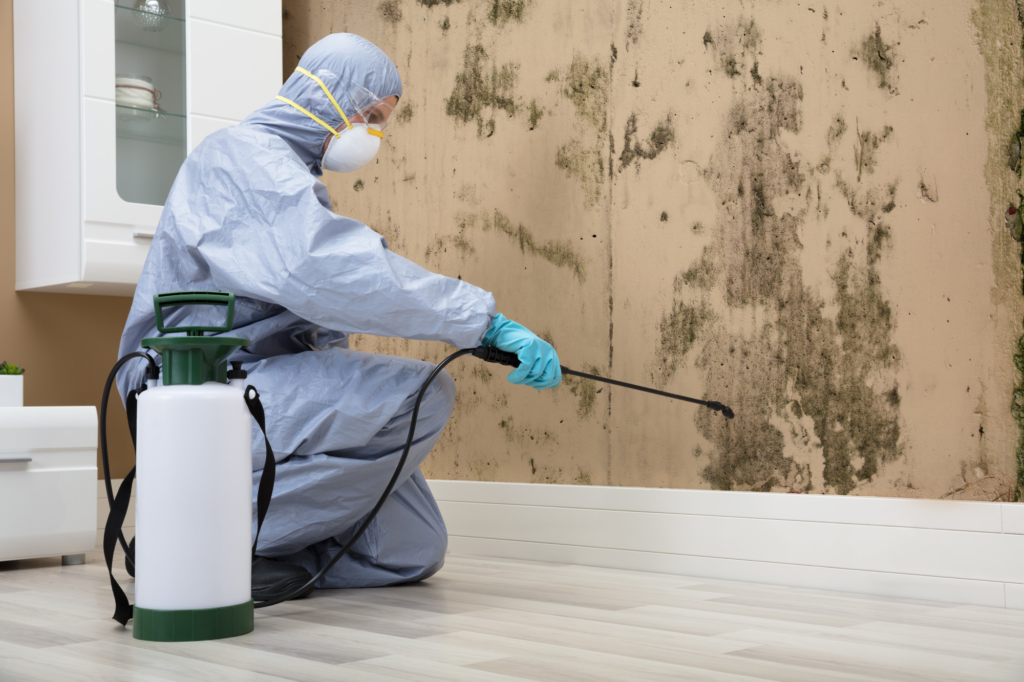
- Wear gloves, masks, and goggles to avoid exposure to spores.
- Seal off work areas to prevent cross-contamination of the home.
Step 3: Containment
- Block off duct sections and vent openings to isolate contaminated air.
- Use HEPA-filtered negative air machines to prevent mold spores from spreading.
Step 4: Cleaning Ductwork and Components
- Use brushes, vacuums, and antimicrobial cleaners to remove mold and debris.
- Clean coils, drip pans, and condensate lines thoroughly to eliminate moisture sources.
Step 5: Drying
- Industrial dehumidifiers and fans ensure all cleaned components are completely dry.
- Prevents mold from returning due to residual moisture.
Step 6: Filter Replacement
- Replace old filters with high-quality HEPA filters to trap spores and improve indoor air quality.
Step 7: System Testing
- Verify airflow, temperature control, and odor elimination.
- Confirm that cleaning effectively addressed mold and moisture issues.
Preventive Tips for Homeowners
- Schedule Regular AC Maintenance
- Clean coils, drip pans, and condensate lines at least annually.
- Monitor Humidity
- Maintain indoor humidity below 60% using dehumidifiers.
- Upgrade Filters
- Use HEPA or high-MERV filters and replace them every 1–3 months.
- Seal and Insulate Ducts
- Prevent moisture from forming inside older ductwork.
- Ventilate Properly
- Use exhaust fans in bathrooms and kitchens to reduce indoor humidity.
- Inspect for Early Signs
- Regularly check vents for odors, visible mold, or water stains.
Benefits of AC Mold Cleaning
- Improved Indoor Air Quality
- Reduces allergens, mold spores, and bacteria circulating in the home.
- Health Protection
- Minimizes respiratory irritation and allergy flare-ups.
- Enhanced HVAC Efficiency
- Clean components allow better airflow and reduce energy costs.
- Prevention of Structural Damage
- Removes moisture that could otherwise damage ductwork or surrounding materials.
- Peace of Mind
- Homeowners can live safely in older homes knowing mold has been professionally removed.
Conclusion
In older Melbourne homes, AC mold growth is a common issue due to age, humidity, and poor ventilation. Early recognition of musty odors, visible mold, reduced airflow, or allergy symptoms allows homeowners to take timely action.
Professional AC mold cleaning not only eliminates existing mold but also addresses underlying moisture issues, restoring indoor air quality and HVAC efficiency. By combining regular maintenance, preventive measures, and timely cleaning, owners of older homes can protect their property, health, and comfort from the hidden dangers of AC-related mold growth.